FILTER

CATEGORIES

ALFABET

A

B

C

Ç

D

E

Ê

F

G

H

I

İ

Î

J

K

L

M

N

O

Ö

P

Q

R

S

Ş

T

U

Ü

Û

V

W

Y

X

Z

CATEGORIES

ALFABET

A

B

C

Ç

D

E

Ê

F

G

H

I

İ

Î

J

K

L

M

N

O

Ö

P

Q

R

S

Ş

T

U

Ü

Û

V

W

Y

X

Z

Zahir & Batın

This entry examines the cosmology of Dersim Alevism (Raa Haqi) through the distinction between Zahir – Na Dina (Neq Dina/Wa Dünya – this world)…

Arab Alevism and the Symbolic Construction of Gender within the Community

This entry focuses on the religious structure, symbols, and ritual practices that shape the gender regime within the belief system of Arab Alevism (Nusayrism). Through…

Dâr (Dâra Durmak, Dâra Çekilmek, Dârdan İndirme, Dâr Kurbanı)

In the Alevi belief system, the concept of dâr represents a multi-layered micro-centre where ritual, ethics, theology, and mythology are intricately interwoven. Functioning as a…

The Religious Calendar in Dersim Alevism: Gağan, Xızır/Hızır, Black Wednesday (Kara Çarşamba), and Hawtemal/Heftemal

This entry provides a comprehensive analysis of the sacred days and periods that constitute the religious calendar of Dersim Alevism (Raa Haqi)—with particular attention to…

Roman (Gypsy) Alevis

Groups with diverse ethno-cultural characteristics such as “Rom”, “Dom”, “Lom”, and “Blacksmith” communities largely use the term “Roman” in order to reduce the effects of…

Unclehood (Seyyidship in Arab Alevism)

In Arab Alevi (Nusayri) communities, the institution of Amcalık (unclehood) plays a central role in integrating 14-15 year old male children into the belief system….

Çepni Alevis

The Çepni Alevis, a significant sub-group of Anatolian Alevism, emerged on the historical stage as part of the Çepni tribe, which belongs to the Üç-Ok…

Kadıncık Ana

Kadıncık Ana is an important female figure in the Alevi-Bektashi-Kızılbaş belief, particularly associated with Hacı Bektaş Veli, whose memory has been transmitted through hagiographic narratives-most…

Rızalık in Alevism: Dual Interpretations, Communal Practice, and Social Transformation

Rızalık (mutual agreement), commonly translated as mutual consent, approval, reconciliation or contentment, is a central ethical and ritual principle in Alevism. This entry examines Rızalık…

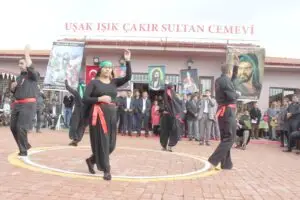
The Cami - Cemevi Project

The Mosque-Cemevi Project (CCP) was initiated in Turkey under the banner of interfaith tolerance and social unity, yet it sparked strong opposition within the Alevi…
Aradığınız video sistemimizde henüz yer almıyor ya da filtreler sonucu daraltmış olabilir.
Try another keyword or simplify the filters.
Aradığınız yazar sistemimizde henüz yer almıyor ya da filtreler sonucu daraltmış olabilir.
Try another keyword or simplify the filters.
Scroll to Top

Donate Now

Learn How to Donate to the Alevi Encyclopedia! Financial contributions to the Alevi Encyclopedia are used for its general expenses with the approval of the Rıza Şehri Academy.