FILTER

CATEGORIES

ALFABET

A

B

C

Ç

D

E

Ê

F

G

H

I

İ

Î

J

K

L

M

N

O

Ö

P

Q

R

S

Ş

T

U

Ü

Û

V

W

Y

X

Z

CATEGORIES

ALFABET

A

B

C

Ç

D

E

Ê

F

G

H

I

İ

Î

J

K

L

M

N

O

Ö

P

Q

R

S

Ş

T

U

Ü

Û

V

W

Y

X

Z

Alevism and Social Trauma

This entry examines how Alevi identity has been shaped through the framework of historical trauma and collective memory, and how it is narrated especially in…

Kırkbudak - Journal of Anatolian Folk Beliefs (2005-2007)

Kırkbudak – Journal for the Study of Anatolian Folk Beliefs, published between 2005 and 2007, holds the distinction of being the first peer-reviewed academic journal…

Alevism Lessons in British Schools: Inclusion through Religious Education

This entry demonstrates the importance of education as a space for inclusive strategies to integrate minoritised and excluded communities like Alevis and give them a…

Dâr (Dâra Durmak, Dâra Çekilmek, Dârdan İndirme, Dâr Kurbanı)

In the Alevi belief system, the concept of dâr represents a multi-layered micro-centre where ritual, ethics, theology, and mythology are intricately interwoven. Functioning as a…

Sociology of Emotions and Collective Memory in the Deyişes of Pir Sultan Abdal

Pir Sultan Abdal is one of the most important poets of the Alevi tradition and lived in the sixteenth century. His deyişs have held a…

Zazaki in the Context of Alevism

This entry examines the function of Zazaki (Kırmancki) within the Alevi religious world, particularly centred on Dersim. Zazaki plays an important role in Alevism not…

Necropolitical Violence and Alevis

The concept of necropolitical violence offers valuable potential for clarifying the meaning and significance of the Alevi community’s status as an oppressed minority and its…

Food in Alevism

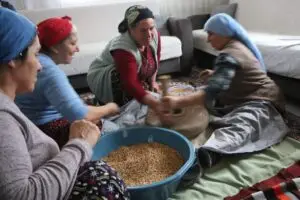
Social activities pertaining to food such as cooking, sharing, eating and fasting are central to the expression of the lived religiosities of Alevis in Turkey,…

Social Justice and Alevis: Multidimensional Identity, Forgiveness, and Solidarity

The current contribution explores the multifaceted nature of Alevi identity and its influence on forgiveness, collective action, and responses to intergroup conflict. Alevism, characterized by…

Musahiplik: The Institution of Spritual Brotherhood in Alevism

Musahiplik is an institutional form of brotherhood in the Alevi belief system that symbolises an individual’s spiritual, moral, and social bond with the community, and…
Aradığınız video sistemimizde henüz yer almıyor ya da filtreler sonucu daraltmış olabilir.
Try another keyword or simplify the filters.
Aradığınız yazar sistemimizde henüz yer almıyor ya da filtreler sonucu daraltmış olabilir.
Try another keyword or simplify the filters.
Scroll to Top

Donate Now

Learn How to Donate to the Alevi Encyclopedia! Financial contributions to the Alevi Encyclopedia are used for its general expenses with the approval of the Rıza Şehri Academy.