FILTER

CATEGORIES

ALFABET

A

B

C

Ç

D

E

Ê

F

G

H

I

İ

Î

J

K

L

M

N

O

Ö

P

Q

R

S

Ş

T

U

Ü

Û

V

W

Y

X

Z

CATEGORIES

ALFABET

A

B

C

Ç

D

E

Ê

F

G

H

I

İ

Î

J

K

L

M

N

O

Ö

P

Q

R

S

Ş

T

U

Ü

Û

V

W

Y

X

Z

The Ocak System in Alevism: Diverse Interpretations of Sacred Lineage

This entry examines the ocak as both a sacred genealogy and a socio-religious network, focusing on seyyidlik, hereditary authority and the ocak–talip relationship. It argues…
Firik Dede

Firik Dede

Firik Dede, who lived during the past century in the Ovacık region of Dersim, occupies a place in Kurdish Alevi collective memory both as a…

Music of the Zaza

The music of the Zaza (Kırmanj–Dimilî)-speaking population in Anatolia remains largely unexplored, and a comprehensive overview of their musical traditions is therefore not yet possible….

Alevis and Alevism in Turkish Cinema

This entry focuses on the representation of the Alevi-Bektashi faith and identity in Turkish cinema, examining the role of cinema in the construction of cultural…

Pomegranates: Ambivalent Symbol of Life and Death

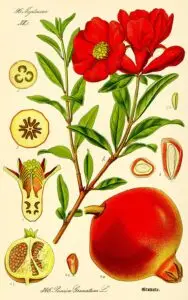
The pomegranate (Punica granatum) was also known in Latin as Malum punicum [1] (“Punic, i.e. Phoenician apple”). In ancient Iranian and Abrahamic religions, as well…

Dersim Massacre and Intergenerational Trauma Transmission

This entry looks at the long-term emotional and psychological effects of the Dersim Massacre, which took place in eastern Turkey between 1937 and 1938. Thousands…

Theological Foundations of Human Dignity in Alevism

This entry examines the theological foundations of the God–human relationship in Alevism by approaching the concept of human dignity through the perspectives of creation theology…

Dedes: Transformation of Religious Leadership in the Alevi Community

This entry examines the transformation of dedes—hereditary male religious leaders in Alevism—in response to migration, urbanization, and institutionalization since the 1990s. Traditionally embedded in rural…

Jiare /Ziyaret - (Sacred Places & Objects) in Raa Haqi (Dersim Alevism)

The concept of jiare—sacred places or sacred objects imbued with spiritual presence—constitutes a foundational element of the Raa Haqi belief system, practised predominantly among (Kurmanci…

Ras el Seni and Kıddes in Arab Alevism

Ras el Seni and Kıddes are two significant ritual days celebrated among Arab Alevis living in the regions of Antakya, Adana, and Mersin in Turkey,…

Alevi Organization and the Ocak System

In this video, Pir Mahmut Ütebay examines the relationship between the traditional Ocak system and contemporary Alevi institutions operating in Turkey and in the European...

The Ocak System in Alevism

In this video, Pir Mahmut Ütebay discusses the Ocak system, which constitutes a foundational pillar of the Alevi belief structure. The historical origins of Ocaks,...

Bağlama (the most important musical and ritual instrument)

In this section, Pir Erkan Çanakçı discusses the instruments that occupy a central place in Alevi belief and musical tradition. In particular, bağlama/tembur, kopuz, kıl...

Music in Alevism

In this section, Pir Erkan Çanakçı examines the meaning and function of music in the Alevi world of belief. He offers reflections in particular on...

Ozan - Zakir - Aşık

In this section, Pir Erkan Çanakçı discusses three key figures who serve as carriers of oral culture in Alevi society: the Ozan, the Âşık, and...

Deyiş & Nefes

In this section, Pir Erkan Çanakçı focuses on the fundamental forms of oral literature and music in the Alevi world of belief. He provides comprehensive...
Aradığınız yazar sistemimizde henüz yer almıyor ya da filtreler sonucu daraltmış olabilir.
Try another keyword or simplify the filters.
Scroll to Top

Donate Now

Learn How to Donate to the Alevi Encyclopedia! Financial contributions to the Alevi Encyclopedia are used for its general expenses with the approval of the Rıza Şehri Academy.