FILTER

CATEGORIES

ALFABET

A

B

C

Ç

D

E

Ê

F

G

H

I

İ

Î

J

K

L

M

N

O

Ö

P

Q

R

S

Ş

T

U

Ü

Û

V

W

Y

X

Z

CATEGORIES

ALFABET

A

B

C

Ç

D

E

Ê

F

G

H

I

İ

Î

J

K

L

M

N

O

Ö

P

Q

R

S

Ş

T

U

Ü

Û

V

W

Y

X

Z

The Kerbela Narrative and Collective Mourning: Traumatic Memory and Ritualised Emotions in Alevî Identity

The Kerbela narrative constitutes a central element of traumatic memory in Alevî belief and identity. The killing of Hz. Hüseyin, the grandson of Hz. Muhammed,…

Dersim Massacre and Intergenerational Trauma Transmission

This entry looks at the long-term emotional and psychological effects of the Dersim Massacre, which took place in eastern Turkey between 1937 and 1938. Thousands…

Alevism Lessons in British Schools: Inclusion through Religious Education

This entry demonstrates the importance of education as a space for inclusive strategies to integrate minoritised and excluded communities like Alevis and give them a…

Nusayris' Funeral Rituals

Arab Alawites (Nusayris) are an ethno-religious community with a secrecy-based belief system, living especially in Adana, Hatay, and Mersin. In these communities, funeral rituals are…

Tertele

The 1937–38 Dersim massacre was not merely a regional military operation, but a systematic policy of violence by the early Turkish Republic targeting ethno-religious identities…

Alevism and Social Trauma

This entry examines how Alevi identity has been shaped through the framework of historical trauma and collective memory, and how it is narrated especially in…
Firik Dede

Firik Dede

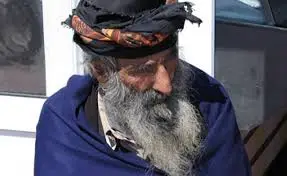
Firik Dede, who lived during the past century in the Ovacık region of Dersim, occupies a place in Kurdish Alevi collective memory both as a…

Theological Foundations of Human Dignity in Alevism

This entry examines the theological foundations of the God–human relationship in Alevism by approaching the concept of human dignity through the perspectives of creation theology…

The Şîn Tradition: Lament as Memory and Resistance in Kurdish Alevism

The tradition of şîn (lament) in Kurdish Alevi communities is not merely a poetic expression of mourning after death, but a sacred form of speech…

Musahiplik: The Institution of Spritual Brotherhood in Alevism

Musahiplik is an institutional form of brotherhood in the Alevi belief system that symbolises an individual’s spiritual, moral, and social bond with the community, and…

The Dersim Alevi Calendar, Gağan, the Xızır/Hızır Fast, Hewtemal – Black Wednesday, and the Month of Mourning

In this video, Pir Haydar Buğa provides a comprehensive discussion of the religious understanding of time known as the “Alevi calendar” in the tradition of...

Matem Ayı, Karbala, Resistance, and Alevi Uprisings – Pir Ecevit Emre

In this video, Pir Ecevit Emre examines the concept of the “month of mourning” (matem ayı) and practices of lamentation in Alevism through the historical,...

Yas-ı Matem Ritual Practices in Dersim Alevism (Raa Haq), Kerbela, and the Hüseyni Duruş

In this video, Ana Didar Cenan discusses the Yas-ı Matem period in Dersim Alevism (Raa Haqi) within a ritual and meaning world intertwined with the...

Nefes, Deyiş, Gülbenk, Ağıt, Mersiye, Klam

In this video, Pir Ahmet Karabulut offers a comprehensive assessment of nefes, deyiş, gülbenk, ağıt, mersiye, and klam, which constitute the most fundamental carriers of...

Alevi Organization in the Diaspora – Derviş Cemal Ocak, Turkmen and Kurdish Talips

In this video, Pir Rıza Yağmur candidly shares the process of taking over relations with the talips of the Derviş Cemal Ocak after his transition...

Karbala & Violence against Alevis

In this video, Pir Celal Fırat provides an in-depth explanation of the historical and symbolic meanings of the event of Karbala within the Alevi belief...
Scroll to Top

Donate Now

Learn How to Donate to the Alevi Encyclopedia! Financial contributions to the Alevi Encyclopedia are used for its general expenses with the approval of the Rıza Şehri Academy.