Baba Mansur Ocak
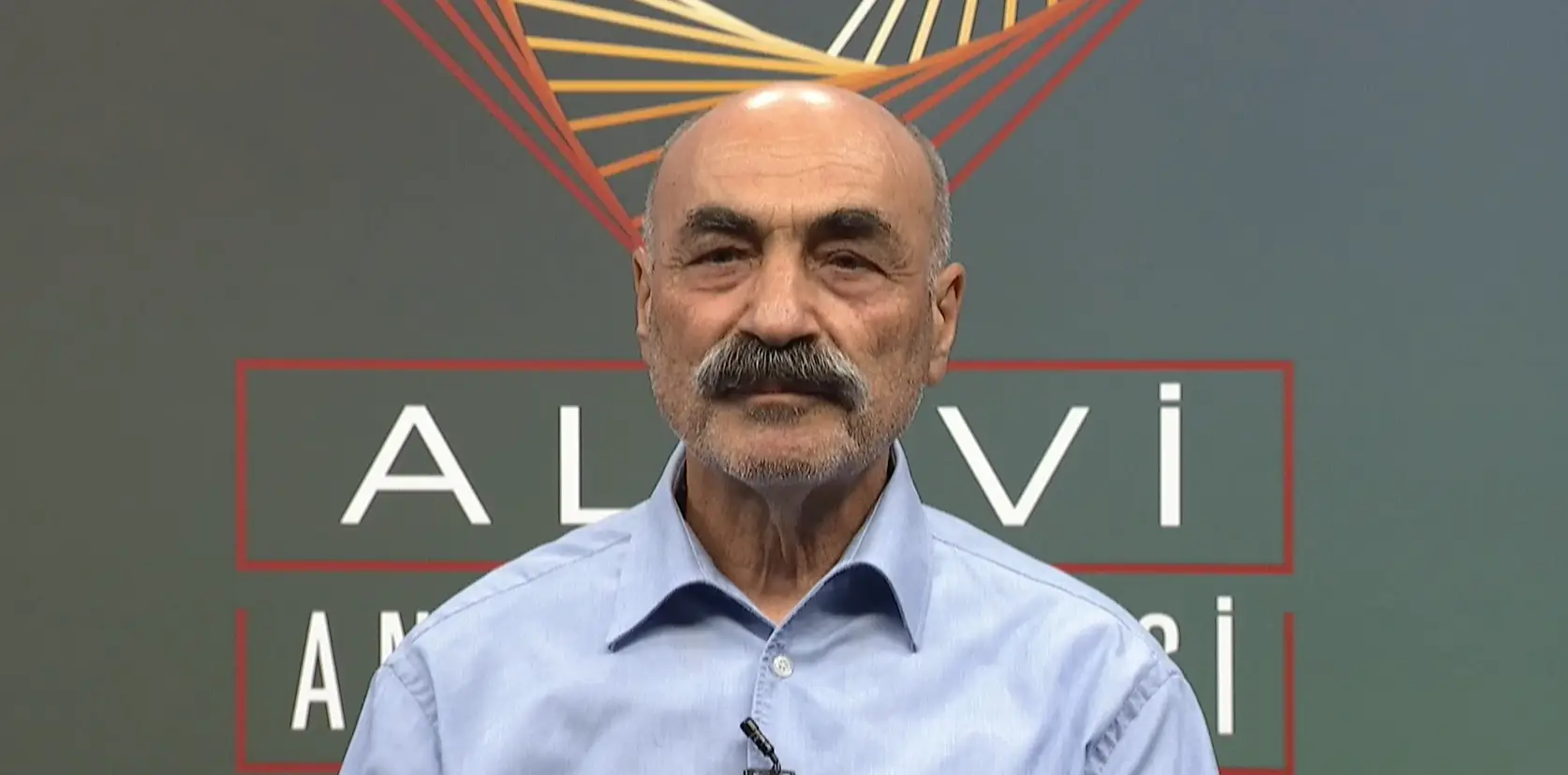
In this video, Pir Veli Uğur offers a comprehensive assessment of Baba Mansur Ocak by weaving together its historical, mythological, and contemporary dimensions. Within Alevi cosmology, the position, origins, and significance of Baba Mansur Ocak—as well as its relationship with Kureyşan Ocak—are explained through reciprocal narratives of keramet. These accounts provide a layered and original analysis of how inter-Ocak bonds are established and sustained. The narrative offers important insights into the historical patterns of Alevi social organization.
Pir Veli Uğur also addresses organizational models of Alevi communities shaped in the geography of Dersim (Raa Haqi). He illustrates, with examples, how these models relate to both traditional structures and contemporary institutional forms. References to historical points of contact with Ehli Hak and related communities in Iran, Iraq, and Syria highlight the transregional dimension of the Alevi belief system.
The recording further examines current challenges in Alevi organization from an Ocak-centered perspective. The tensions and mismatches between the historical conventions of the Ocaks and the formal structures of present-day Alevi institutions are discussed critically. In this context, pirlik is emphasized not only as a spiritual position but also as an ethical, political, and social responsibility.
Throughout the video, the use of deyiş strengthens both the emotional and intellectual depth of the narrative. These examples demonstrate how Alevi oral tradition serves as a vital source for historical critique and analytical reflection.
This recording was made on 27 June 2025 at the CAN TV studios in Cologne. The interviews were conducted as part of the Alevi Encyclopedia project.
Pir Veli Uğur also addresses organizational models of Alevi communities shaped in the geography of Dersim (Raa Haqi). He illustrates, with examples, how these models relate to both traditional structures and contemporary institutional forms. References to historical points of contact with Ehli Hak and related communities in Iran, Iraq, and Syria highlight the transregional dimension of the Alevi belief system.
The recording further examines current challenges in Alevi organization from an Ocak-centered perspective. The tensions and mismatches between the historical conventions of the Ocaks and the formal structures of present-day Alevi institutions are discussed critically. In this context, pirlik is emphasized not only as a spiritual position but also as an ethical, political, and social responsibility.
Throughout the video, the use of deyiş strengthens both the emotional and intellectual depth of the narrative. These examples demonstrate how Alevi oral tradition serves as a vital source for historical critique and analytical reflection.
This recording was made on 27 June 2025 at the CAN TV studios in Cologne. The interviews were conducted as part of the Alevi Encyclopedia project.
Interviewer
- Dr. Ahmet Kerim Gültekin