Derviş Cemal Ocak – Alevi Uprisings, the Bābāʾīs, and Ocak Organization
In this video, Pir Rıza Yağmur offers a comprehensive examination of the historical origins of the Derviş Cemal Ocak and its place in Alevi religious history. The foundation of the Ocak is traced back to Seyit Cemal Sultan and to Hacı Bektaş-ı Veli, who is regarded as his khalifa. Derviş Cemal is presented as one of the descendants of Seyit Cemal Sultan. Debates concerning the settlement process in Dersim are addressed, and the internal branches of the Ocak, genealogical lineages, and talip regions are explained in detail.
From the Babai Revolts during the Seljuk period onward, connections are drawn between major resistance and rebellion movements in Alevi history and the Derviş Cemal Ocak. The branches of the Ocak that spread across Anatolia and their settlement areas are evaluated within a historical framework. Historical references—such as the participation of Hacı Bektaş’s brother Menteş in the revolt, the execution of the sons of Seyit Kureyş, and Şeyh Mahmud Hayrani being among the ancestors of the Kureyşan Ocak—are used to emphasize the political roles of Ocaks, particularly their functions of resisting injustice and providing leadership to the people.
The place of long-standing oppression in Alevi history, beginning with the Umayyad period, is discussed through the struggle of Abu Muslim of Khorasan against Marwan and the historical symbolism of the Umayyad Mosque in Syria. Pir Rıza Yağmur states that Alevism has appeared throughout history under different names but with the same search for truth, and that it has consistently stood against injustice. References to Confucius are used to situate this struggle for truth within a broader philosophical framework.
The distinction between the concepts of Dede and Pir is revisited, with emphasis placed on the central role of the Pir in Alevism. It is also explained that in Dersim there are not only Kurdish but also Turkmen (Turkish) Alevi Ocaks, and that as a result of revolts and oppression during the Seljuk and Ottoman periods, many Ocaks sought refuge in Dersim. Within the theme of “Mountains and Alevism,” the historical, symbolic, and religious meanings of prophets and leaders of resistance emerging in mountainous regions are discussed.
The video also shares a highly significant insight into Alevi history: within the Dersim Ocak system, there have been practices whereby talip communities previously served were entrusted to other Ocaks, or talip groups were exchanged between Ocaks. The relationship between the Derviş Cemal and Ağuçan Ocaks, and the account that Derviş Cemal granted land (a village) to Sarı Saltuk in Dersim, provide a unique source for understanding Alevi internal dynamics and territorial organization.
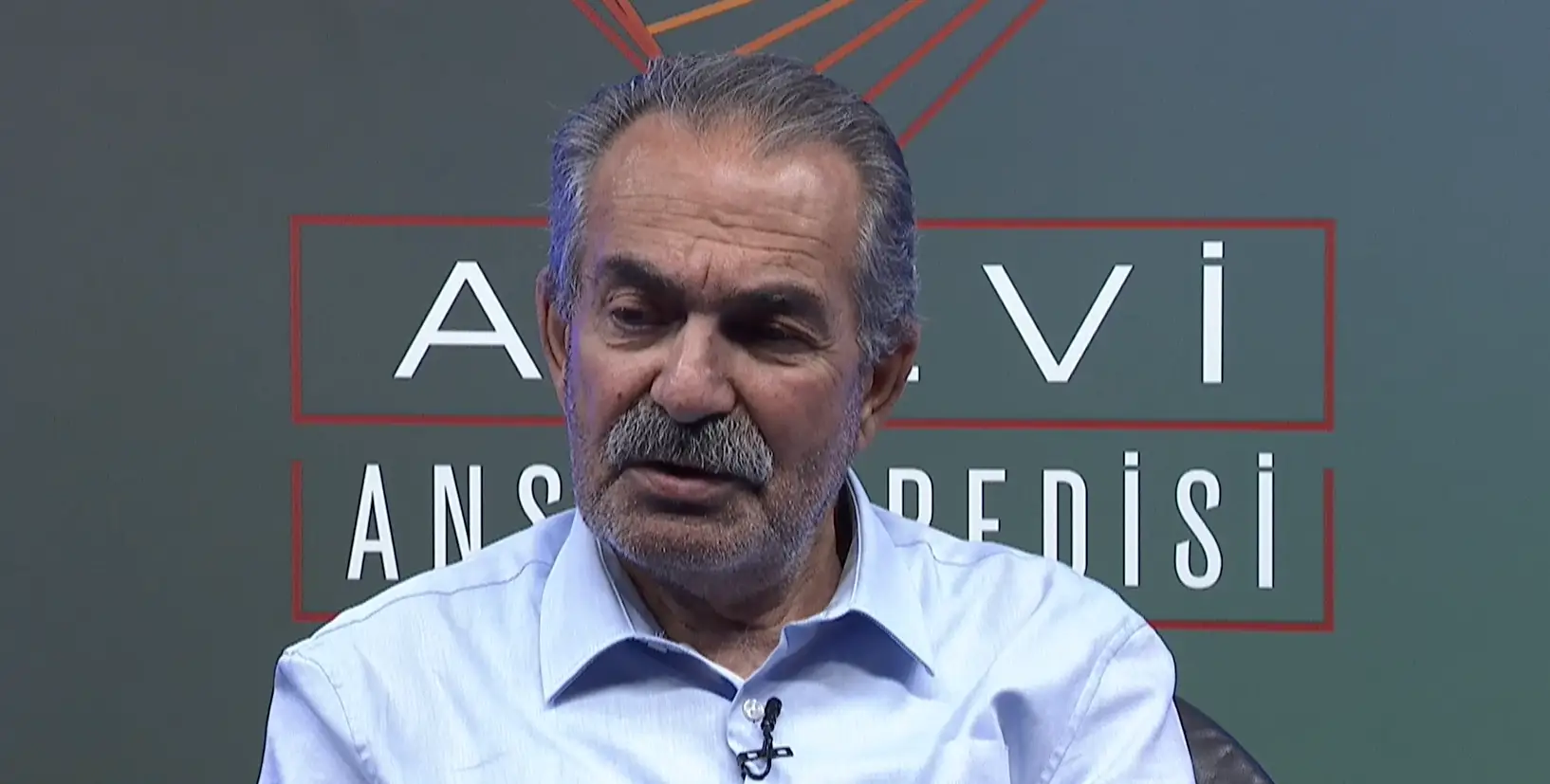
This recording was made on 27 June 2025 at the CAN TV studios in Cologne. The interviews were conducted as part of the Alevi Encyclopedia project.
From the Babai Revolts during the Seljuk period onward, connections are drawn between major resistance and rebellion movements in Alevi history and the Derviş Cemal Ocak. The branches of the Ocak that spread across Anatolia and their settlement areas are evaluated within a historical framework. Historical references—such as the participation of Hacı Bektaş’s brother Menteş in the revolt, the execution of the sons of Seyit Kureyş, and Şeyh Mahmud Hayrani being among the ancestors of the Kureyşan Ocak—are used to emphasize the political roles of Ocaks, particularly their functions of resisting injustice and providing leadership to the people.
The place of long-standing oppression in Alevi history, beginning with the Umayyad period, is discussed through the struggle of Abu Muslim of Khorasan against Marwan and the historical symbolism of the Umayyad Mosque in Syria. Pir Rıza Yağmur states that Alevism has appeared throughout history under different names but with the same search for truth, and that it has consistently stood against injustice. References to Confucius are used to situate this struggle for truth within a broader philosophical framework.
The distinction between the concepts of Dede and Pir is revisited, with emphasis placed on the central role of the Pir in Alevism. It is also explained that in Dersim there are not only Kurdish but also Turkmen (Turkish) Alevi Ocaks, and that as a result of revolts and oppression during the Seljuk and Ottoman periods, many Ocaks sought refuge in Dersim. Within the theme of “Mountains and Alevism,” the historical, symbolic, and religious meanings of prophets and leaders of resistance emerging in mountainous regions are discussed.
The video also shares a highly significant insight into Alevi history: within the Dersim Ocak system, there have been practices whereby talip communities previously served were entrusted to other Ocaks, or talip groups were exchanged between Ocaks. The relationship between the Derviş Cemal and Ağuçan Ocaks, and the account that Derviş Cemal granted land (a village) to Sarı Saltuk in Dersim, provide a unique source for understanding Alevi internal dynamics and territorial organization.
This recording was made on 27 June 2025 at the CAN TV studios in Cologne. The interviews were conducted as part of the Alevi Encyclopedia project.
Interviewer
- Dr. Ahmet Kerim Gültekin