Deyiş (Alevi Verses) – Hak (Conscience), Kırmancki Gülbenk, and Niyazlaşma
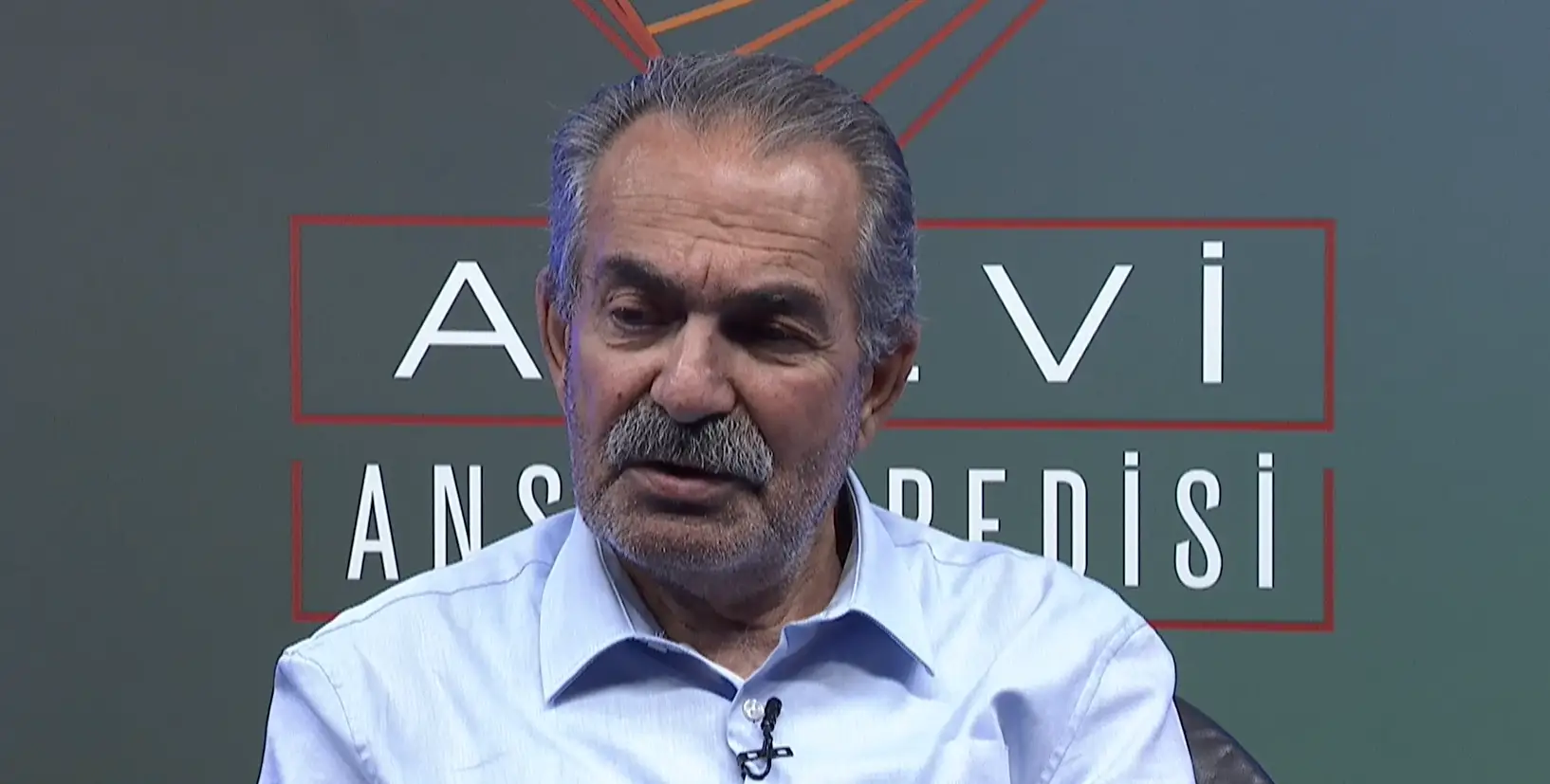
In this video, Pir Rıza Yağmur presents vivid examples of the historical, religious, and symbolic power of deyiş, the fundamental oral form of expression in the Alevi belief system. By reciting original gülbenk composed in the Kırmancki language, he both sustains the tradition and contributes to contemporary forms of this oral heritage in the diaspora.
The central role of deyiş in Alevi religious practice is explained as a carrier of the understanding of truth and of a consciousness of resistance. The concept of Hak is discussed in relation to conscience and the internalization of evil, often symbolized through the figure of the devil. Symbolic practices such as niyazlaşma (kissing one another on the shoulder or bowing toward the shoulder) and the gesture of placing the hand on the heart are presented as emotional and bodily expressions of a deep belief system.
The video also addresses the historical continuity of the Alevi understanding of truth and the duty to stand against injustice through deyiş, under the theme of the “story of fourteen thousand years.” It demonstrates how political and cultural experiences in the European diaspora are reflected in this oral tradition, conveyed in a powerful and original manner through the recitation of Kırmancki gülbenk accompanied by explanations in Turkish.
This recording was made on 27 June 2025 at the CAN TV studios in Cologne. The interviews were conducted as part of the Alevi Encyclopedia project.
The central role of deyiş in Alevi religious practice is explained as a carrier of the understanding of truth and of a consciousness of resistance. The concept of Hak is discussed in relation to conscience and the internalization of evil, often symbolized through the figure of the devil. Symbolic practices such as niyazlaşma (kissing one another on the shoulder or bowing toward the shoulder) and the gesture of placing the hand on the heart are presented as emotional and bodily expressions of a deep belief system.
The video also addresses the historical continuity of the Alevi understanding of truth and the duty to stand against injustice through deyiş, under the theme of the “story of fourteen thousand years.” It demonstrates how political and cultural experiences in the European diaspora are reflected in this oral tradition, conveyed in a powerful and original manner through the recitation of Kırmancki gülbenk accompanied by explanations in Turkish.
This recording was made on 27 June 2025 at the CAN TV studios in Cologne. The interviews were conducted as part of the Alevi Encyclopedia project.
Interviewer
- Dr. Ahmet Kerim Gültekin