Hak Lokması, Hakullah, Çıralık – Alevism, Christianity, and Islam
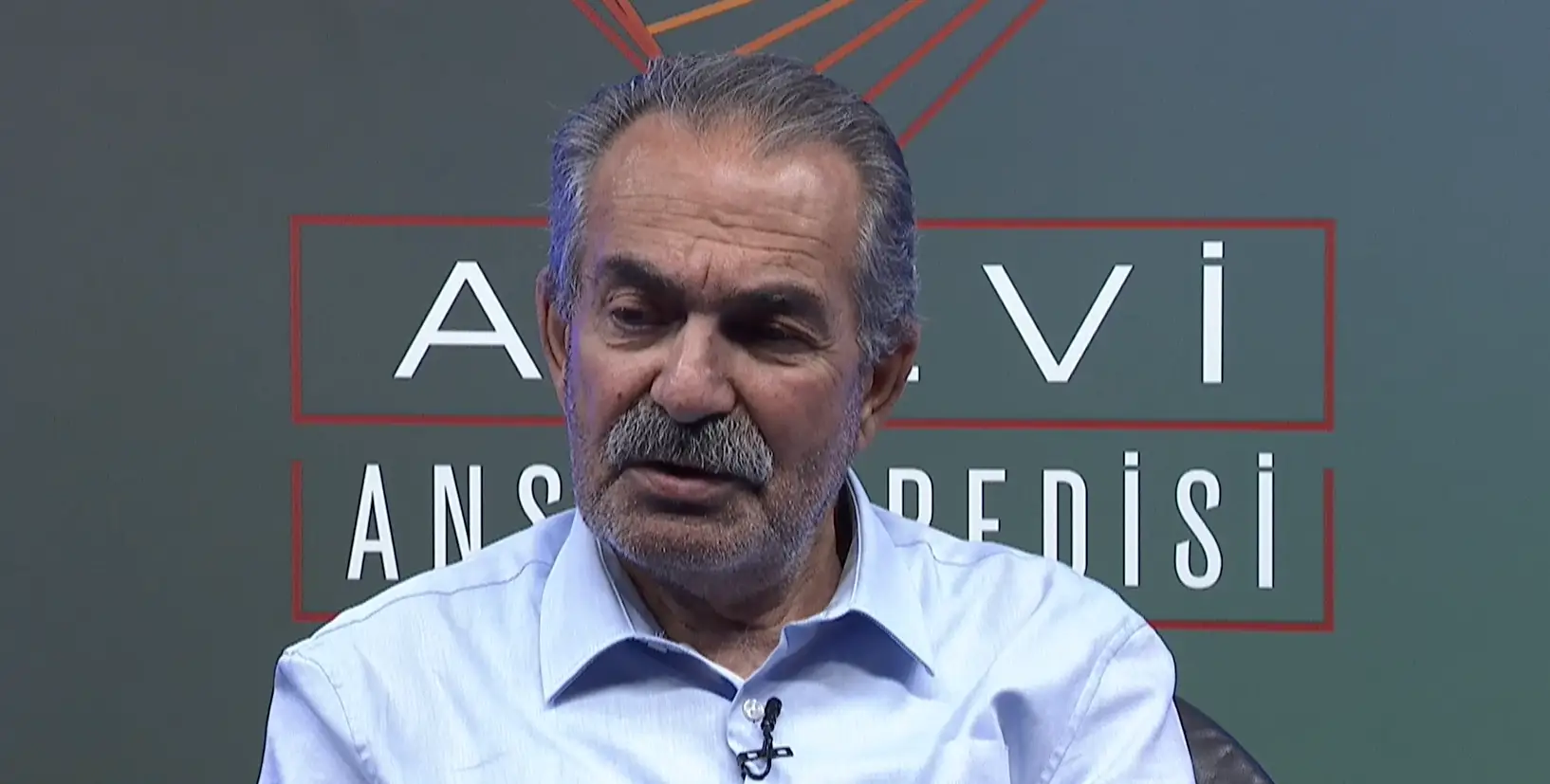
In this video, Pir Rıza Yağmur presents a comprehensive assessment of the institution of çıralık, which holds deep significance within the Alevi belief system. Addressing Hak Lokması, Hakullah, and Pir–Talip relations in both historical and contemporary contexts, the discussion highlights the religious and social functions of çıralık. Pir Rıza Yağmur compares this institution within Abrahamic traditions, particularly with Christianity, explaining the relationship between the Alevi concept of can and the Christian practice of joint worship by women and men, the dar meydanı and the practice of confession, as well as parallels in musical forms of worship in both traditions.
The differences between the Islamic institution of zakat and the Alevi understanding of Hakullah are examined in detail. Critiques and questions directed toward the Ehli Beyt are addressed through deyiş, revealing the cosmological and theological dimensions of Alevi collective memory. The position of Muhammad within the prophetic lineage, as well as the status of other prophets from an Alevi perspective, are also evaluated through verses and deyiş.
The distinction between the concepts of Dede and Pir is clearly emphasized, with particular attention given to the specific meaning and use of the term Pir in Alevism. The tradition of endogamy within the Ocak institution is also explained, and the practices of earlier pirs and their relationships with talips are conveyed through concrete examples. By addressing topics such as the meaning of dar, the practice of dara çıkmak, Alevi prayers, and ritual terminology, the video offers valuable insights into the depths of collective memory.
This recording was made on 27 June 2025 at the CAN TV studios in Cologne. The interviews were conducted as part of the Alevi Encyclopedia project.
The differences between the Islamic institution of zakat and the Alevi understanding of Hakullah are examined in detail. Critiques and questions directed toward the Ehli Beyt are addressed through deyiş, revealing the cosmological and theological dimensions of Alevi collective memory. The position of Muhammad within the prophetic lineage, as well as the status of other prophets from an Alevi perspective, are also evaluated through verses and deyiş.
The distinction between the concepts of Dede and Pir is clearly emphasized, with particular attention given to the specific meaning and use of the term Pir in Alevism. The tradition of endogamy within the Ocak institution is also explained, and the practices of earlier pirs and their relationships with talips are conveyed through concrete examples. By addressing topics such as the meaning of dar, the practice of dara çıkmak, Alevi prayers, and ritual terminology, the video offers valuable insights into the depths of collective memory.
This recording was made on 27 June 2025 at the CAN TV studios in Cologne. The interviews were conducted as part of the Alevi Encyclopedia project.
Interviewer
- Dr. Ahmet Kerim Gültekin