Hakka Uğurlama – Death in Alevism – Devriye – Dardan İndirme
In this video, Pir Ahmet Karabulut addresses the phenomenon of death in Alevism—more precisely, a belief universe in which death does not exist—in a comprehensive manner. He explains that in Alevi belief there is no concept of “death,” and that the notions of Hakka uğurlama and sırlama express the continuous circulation of the soul and the uninterrupted transformation of existence. In this way, the batınî meaning behind the expression “devri daim olsun” is interpreted together with the cosmological dimensions of the passage between the zahir and batın realms.
Pir Ahmet Karabulut also responds within this holistic framework to common questions such as why Alevis do not use the term “funeral” and why there is no “funeral prayer.” He states that the Hakka uğurlama rite should be understood as the transition of the soul from one state to another, and that this ritual carries both ethical and ontological significance in Alevi cosmology. In this context, death is not an end, but the movement of existence to a new plane, and the community’s responsibility to accompany this transition ritually is one of the fundamental principles of the Alevi path.
The video also provides a detailed explanation of the dardan indirme rite, which holds a central place in Alevi religious practice. In this ritual, shaped within the context of musahiplik, the musahip—the spiritual sibling—of the soul who has departed from the zahir world stands before the community and assumes all social, economic, and moral responsibilities of the departed person, giving account on their behalf. This practice makes visible how justice, rıza, responsibility, and solidarity are theologically grounded in Alevi social life. Pir emphasizes the historical and theological importance of this ritual, even though it has largely faded in contemporary life, and ensures that its details are recorded.
In the later part of the video, Pir Ahmet Karabulut also discusses the concepts of musahiplik, kirvelik, and ikrar, explaining the forms of solidarity that constitute the ethical–economic fabric of Alevi society and the moral economy structured around düşkünlük–rıza–responsibility. In this way, the video stands as an original source that sheds light on the integrated relationship between death, social responsibility, ritual order, and ethical principles in Alevism.
This recording was made on 6–7 December 2025 at the CAN TV studios in Cologne, Germany, within the framework of the “From the Voices of the Path Leaders” series of the Alevi Encyclopedia.
Pir Ahmet Karabulut also responds within this holistic framework to common questions such as why Alevis do not use the term “funeral” and why there is no “funeral prayer.” He states that the Hakka uğurlama rite should be understood as the transition of the soul from one state to another, and that this ritual carries both ethical and ontological significance in Alevi cosmology. In this context, death is not an end, but the movement of existence to a new plane, and the community’s responsibility to accompany this transition ritually is one of the fundamental principles of the Alevi path.
The video also provides a detailed explanation of the dardan indirme rite, which holds a central place in Alevi religious practice. In this ritual, shaped within the context of musahiplik, the musahip—the spiritual sibling—of the soul who has departed from the zahir world stands before the community and assumes all social, economic, and moral responsibilities of the departed person, giving account on their behalf. This practice makes visible how justice, rıza, responsibility, and solidarity are theologically grounded in Alevi social life. Pir emphasizes the historical and theological importance of this ritual, even though it has largely faded in contemporary life, and ensures that its details are recorded.
In the later part of the video, Pir Ahmet Karabulut also discusses the concepts of musahiplik, kirvelik, and ikrar, explaining the forms of solidarity that constitute the ethical–economic fabric of Alevi society and the moral economy structured around düşkünlük–rıza–responsibility. In this way, the video stands as an original source that sheds light on the integrated relationship between death, social responsibility, ritual order, and ethical principles in Alevism.
This recording was made on 6–7 December 2025 at the CAN TV studios in Cologne, Germany, within the framework of the “From the Voices of the Path Leaders” series of the Alevi Encyclopedia.
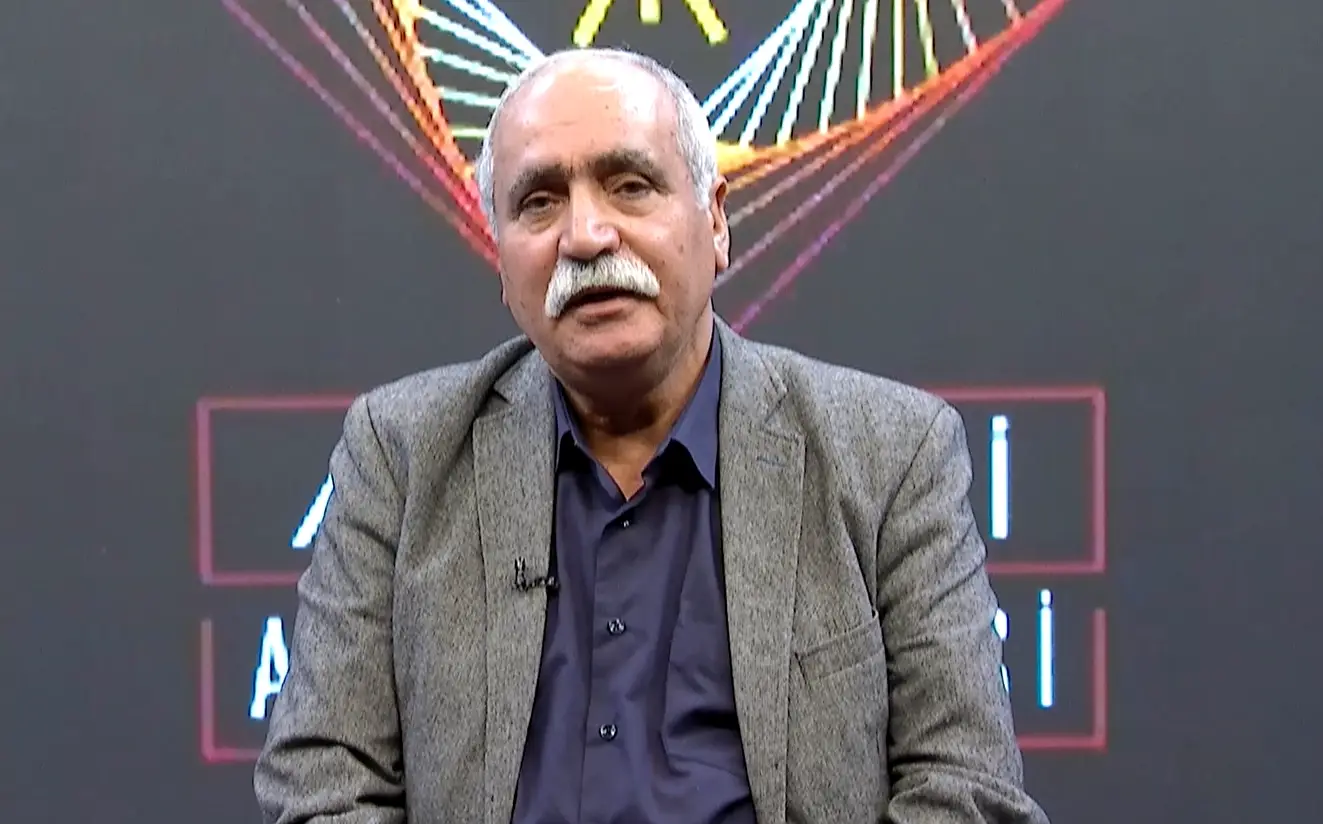
Interviewer
- Dr. Ahmet Kerim Gültekin