Karbala & Violence against Alevis
In this video, Pir Celal Fırat provides an in-depth explanation of the historical and symbolic meanings of the event of Karbala within the Alevi belief system. Karbala is interpreted not merely as a historical catastrophe, but as a universal symbol in Alevism of resistance against oppression, fidelity to truth, and standing with the oppressed. Pir Fırat elaborates, within the context of oral culture, on how this narrative is kept alive in contemporary Alevism, particularly through traditions of mourning, lamentation, and mersiye.
The video also addresses historical and contemporary forms of violence directed against Alevis, interpreting processes of exclusion, denial, assimilation, and physical annihilation—from the Ottoman period to the present—as a perpetuation of the tragedy of Karbala. Within this framework, Karbala emerges not only as a symbol of the past, but also of the present, occupying a central place in the collective memory and ethics of resistance of Alevi communities.
This narrative was recorded within the framework of the Pirler–Analar Workshop hosted by the Dortmund Alevi Cultural Center – Rıza Şehri Academy (DAKME) on 10–11 May 2025. Conducted as part of the Alevi Encyclopedia project, this work aims to render visible the multi-layered meanings of Karbala in Alevi social memory and to document modes of confronting systematic violence against Alevis through oral culture. The video offers an important resource for researchers working on historical justice, memory studies, and Alevi theologies of resistance.
The video also addresses historical and contemporary forms of violence directed against Alevis, interpreting processes of exclusion, denial, assimilation, and physical annihilation—from the Ottoman period to the present—as a perpetuation of the tragedy of Karbala. Within this framework, Karbala emerges not only as a symbol of the past, but also of the present, occupying a central place in the collective memory and ethics of resistance of Alevi communities.
This narrative was recorded within the framework of the Pirler–Analar Workshop hosted by the Dortmund Alevi Cultural Center – Rıza Şehri Academy (DAKME) on 10–11 May 2025. Conducted as part of the Alevi Encyclopedia project, this work aims to render visible the multi-layered meanings of Karbala in Alevi social memory and to document modes of confronting systematic violence against Alevis through oral culture. The video offers an important resource for researchers working on historical justice, memory studies, and Alevi theologies of resistance.
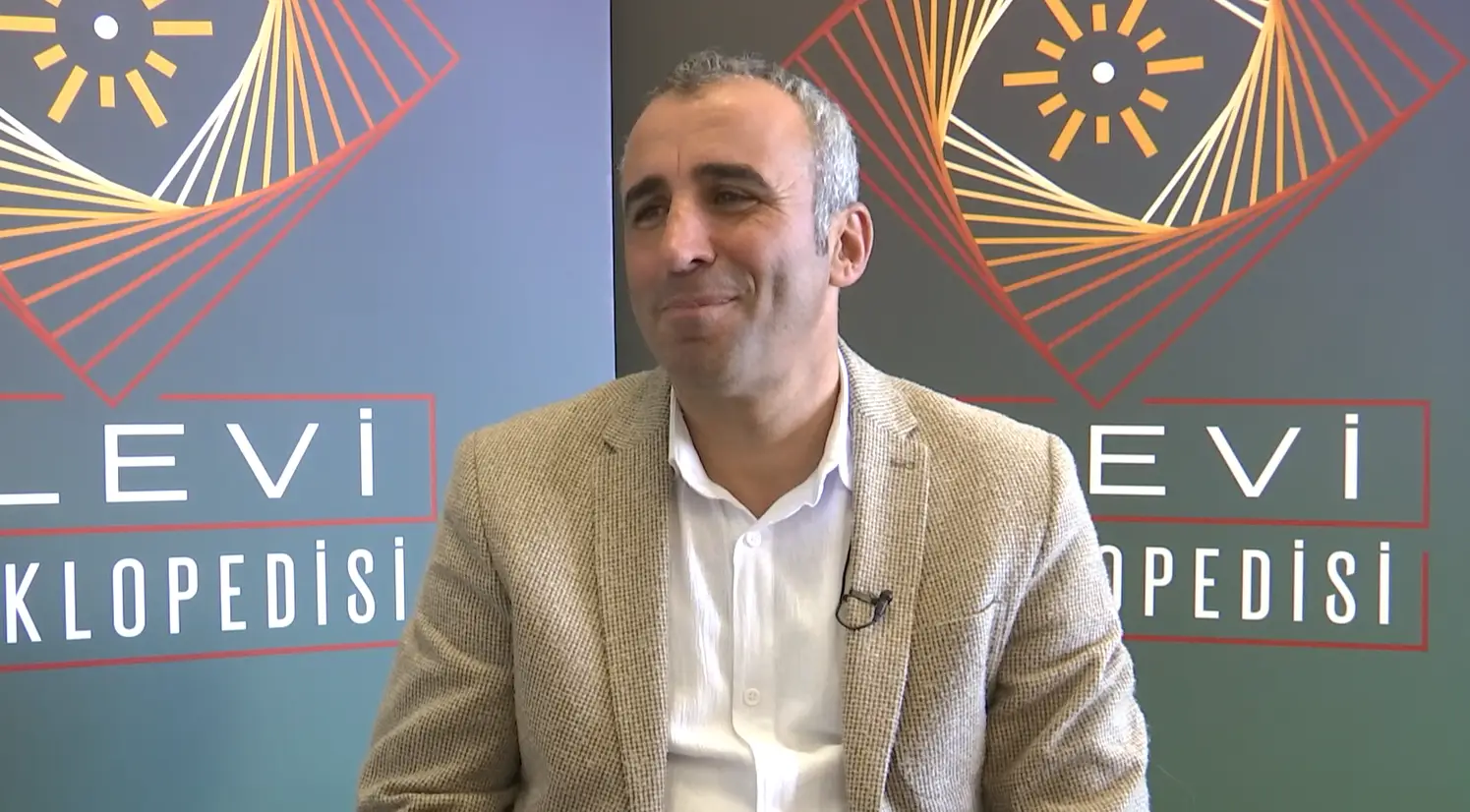
Pir Celal Fırat
Interviewer
- Dr. Ahmet Kerim Gültekin