Kemere Duzgı (Düzgün Baba) in Dersim Alevism (Raa Haqi) – Kırmancki Deyiş
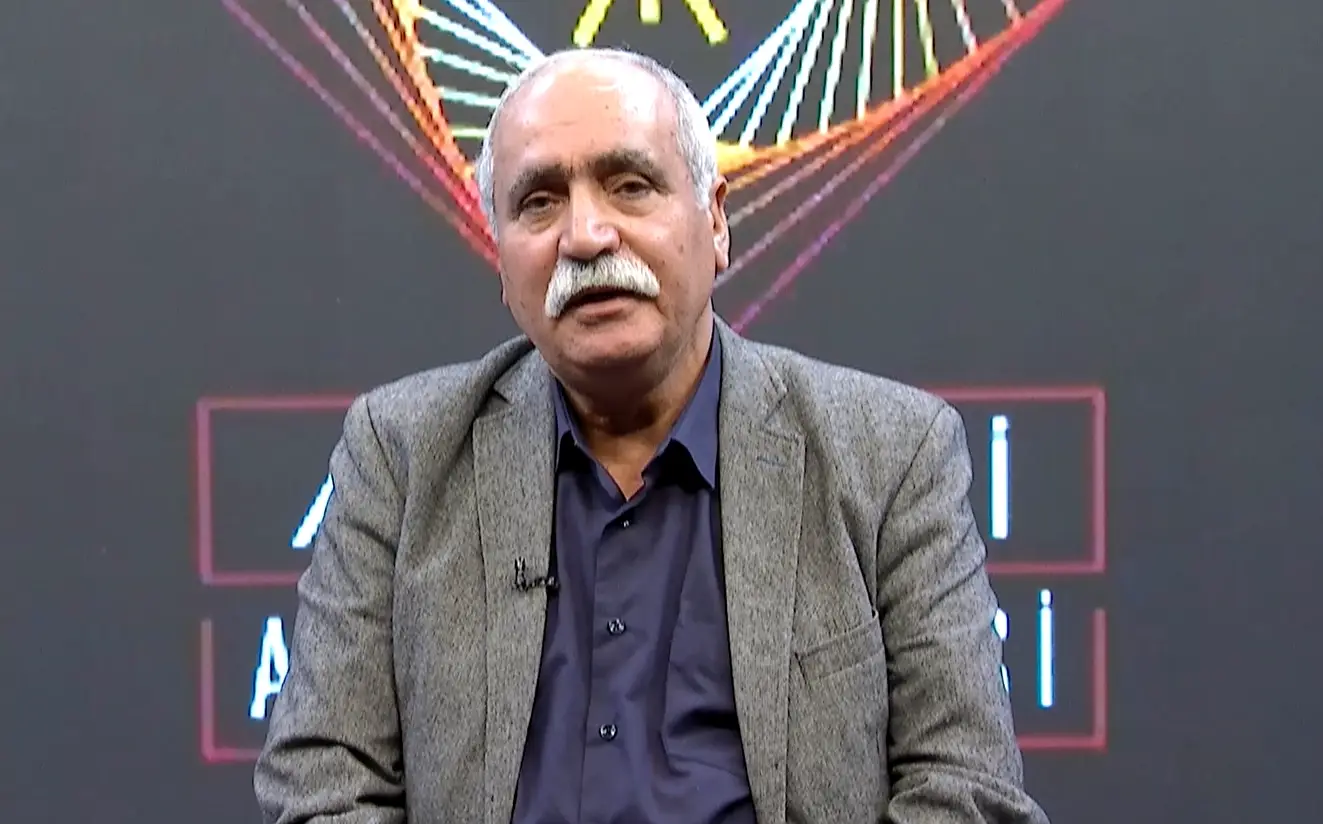
In this video, Pir Ahmet Karabulut explains in detail the central position of Duzgı (Düzgün Baba) in the cosmology of Dersim Alevism (Raa Haqi), drawing on deyiş and prayers dedicated to Duzgı in the Kırmancki (Zazaki) language. He interprets both the batınî layers of meaning carried by the deyiş and the historical continuity of ritual practices directed toward Duzgı, thereby making visible the place of Düzgün Baba in the everyday life of Dersim Alevis.
Pir Ahmet Karabulut also recounts how pilgrimage practices were carried out during periods when cemevis had not yet been built on Mount Duzgı. He describes how pilgrimage routes, kurban rituals, and the distribution of niyaz and lokma were performed on the mountain, thus reviving an important memory that has largely been forgotten today. This narration shows that in the Raa Haqi belief world, jiares (ziyarets) are understood as points where the zahir and batın realms intersect, and demonstrates how these places establish sacredness on both individual and communal levels.
While explaining the position of Duzgı within Raa Haqi cosmology, Pir Ahmet Karabulut also sheds light on the core principles of Alevi social ethics. He emphasizes that practices such as lokma, niyaz, kurban, adak, rızalık, and itikat are not merely ritual acts, but intellectual mechanisms that shape Alevi ethical categories such as good and evil, right and wrong, justice and injustice. In this way, the video presents in an integrated manner both the ontological and cosmological structure of Raa Haqi and the moral framework that regulates the social life of Dersim Alevis through the Duzgı tradition.
This recording was made on 6–7 December 2025 at the CAN TV studios in Cologne, Germany, within the framework of the “From the Voices of the Path Leaders” series of the Alevi Encyclopedia.
Pir Ahmet Karabulut also recounts how pilgrimage practices were carried out during periods when cemevis had not yet been built on Mount Duzgı. He describes how pilgrimage routes, kurban rituals, and the distribution of niyaz and lokma were performed on the mountain, thus reviving an important memory that has largely been forgotten today. This narration shows that in the Raa Haqi belief world, jiares (ziyarets) are understood as points where the zahir and batın realms intersect, and demonstrates how these places establish sacredness on both individual and communal levels.
While explaining the position of Duzgı within Raa Haqi cosmology, Pir Ahmet Karabulut also sheds light on the core principles of Alevi social ethics. He emphasizes that practices such as lokma, niyaz, kurban, adak, rızalık, and itikat are not merely ritual acts, but intellectual mechanisms that shape Alevi ethical categories such as good and evil, right and wrong, justice and injustice. In this way, the video presents in an integrated manner both the ontological and cosmological structure of Raa Haqi and the moral framework that regulates the social life of Dersim Alevis through the Duzgı tradition.
This recording was made on 6–7 December 2025 at the CAN TV studios in Cologne, Germany, within the framework of the “From the Voices of the Path Leaders” series of the Alevi Encyclopedia.
Interviewer
- Dr. Ahmet Kerim Gültekin