Kerbela and the Christian Monk in Alevi Mythology
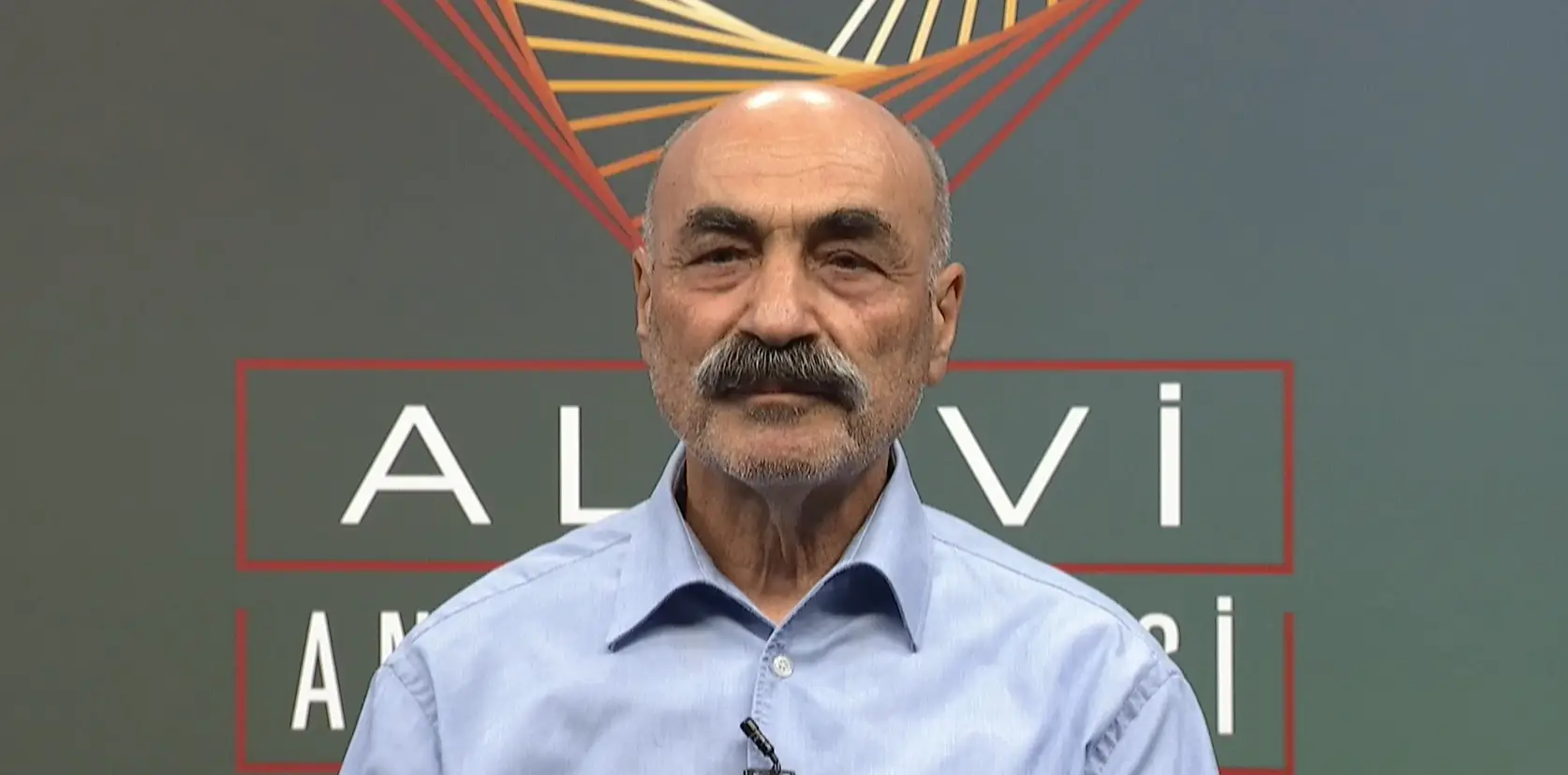
In this video, Pir Veli Uğur shares one of the most striking and profound narratives of Alevi mythology. At the center of the story stands a keşiş (monk) — described not simply by religious identity, but as a “soul whose inner eye is open.” His Christian identity is not presented as an exclusionary difference; on the contrary, it signifies inner truth and spiritual insight within the Alevi universe of belief. The narrative offers a powerful example of Alevism’s inclusive worldview and its understanding of universal truth.
In the story, the monk chooses not to deliver the head of Imam Hüseyin to Yezid, even at the cost of sacrificing his own children. This extreme act of devotion powerfully symbolizes loyalty, endurance of suffering, and total commitment on the Alevi path. Imam Hüseyin is represented not merely as a historical figure, but as the embodiment of ethical dignity, justice, and resistance against oppression.
Through this narrative, the video explores Alevi collective memory, its symbolic universe, and its cosmological imagination. It demonstrates how mythological memory is deeply intertwined with religious practice in Alevism. The universality and moral depth of the Alevi path — often described as the “path of truth” — become visible through such narratives.
Pir Veli Uğur also voices critical reflections on certain interpretations of Kerbela by Alevi intellectuals, particularly those that neglect its spiritual dimension. He emphasizes the limitations of approaches that reduce Kerbela to historical information alone. In this respect, the recording provides important insights into how historical events in Alevism are processed not only intellectually, but also through belief, emotion, and moral conscience.
This recording was made on 27 June 2025 at the CAN TV studios in Cologne. The interviews were conducted as part of the Alevi Encyclopedia project.
In the story, the monk chooses not to deliver the head of Imam Hüseyin to Yezid, even at the cost of sacrificing his own children. This extreme act of devotion powerfully symbolizes loyalty, endurance of suffering, and total commitment on the Alevi path. Imam Hüseyin is represented not merely as a historical figure, but as the embodiment of ethical dignity, justice, and resistance against oppression.
Through this narrative, the video explores Alevi collective memory, its symbolic universe, and its cosmological imagination. It demonstrates how mythological memory is deeply intertwined with religious practice in Alevism. The universality and moral depth of the Alevi path — often described as the “path of truth” — become visible through such narratives.
Pir Veli Uğur also voices critical reflections on certain interpretations of Kerbela by Alevi intellectuals, particularly those that neglect its spiritual dimension. He emphasizes the limitations of approaches that reduce Kerbela to historical information alone. In this respect, the recording provides important insights into how historical events in Alevism are processed not only intellectually, but also through belief, emotion, and moral conscience.
This recording was made on 27 June 2025 at the CAN TV studios in Cologne. The interviews were conducted as part of the Alevi Encyclopedia project.
Interviewer
- Dr. Ahmet Kerim Gültekin