Kerbela – God (Hakk) and Human: Alevism and Islam
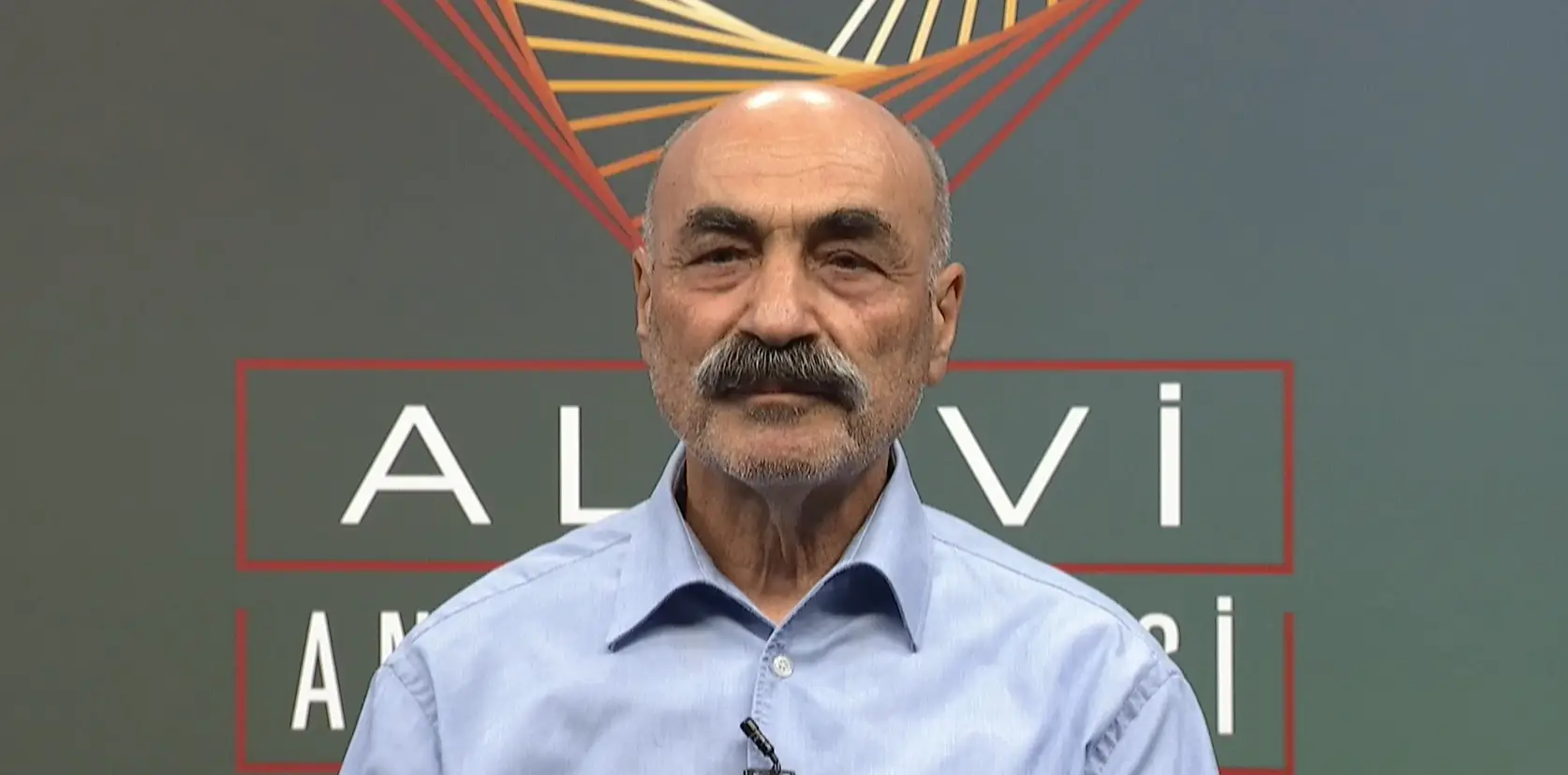
In this video, Pir Veli Uğur offers an in-depth account of the place of Kerbela in the Alevi world of belief and how it has been interpreted within the collective consciousness of Alevi communities throughout history. Kerbela is presented not merely as a historical tragedy, but as a moral compass of resistance against tyranny, oppression, inequality, ignorance, and injustice. Pir conveys how this revolt resonates within Alevi conscience by weaving together mythological folk narratives and deyiş.
Themes of justice, dignity, and resistance embodied in the figure of Imam Hüseyin are used to illustrate how the human–God (Hakk) relationship is understood in Alevi cosmology and in which respects Alevism diverges from Abrahamic religions. Throughout the video, figures such as Ehlibeyt, Hz. Ali, Hz. Hasan, Hz. Hüseyin, and the Twelve Imams are discussed through their symbolic meanings in Alevism. Their mystical and mythological interpretations are analyzed within the conceptual framework of vahdet-i vücut, spirituality, and the Alevi understanding of truth.
The recording also demonstrates how Alevi mythology and folk narratives are intertwined with historical traumas and how they are kept alive across generations through transmitted deyiş. Through the figure of Imam Hüseyin, the video presents a powerful example of the Alevi pursuit of justice, an ethics of dissent, and spiritual depth.
This recording was made on 27 June 2025 at the CAN TV studios in Cologne. The interviews were conducted as part of the Alevi Encyclopedia project.
Deutsch
Themes of justice, dignity, and resistance embodied in the figure of Imam Hüseyin are used to illustrate how the human–God (Hakk) relationship is understood in Alevi cosmology and in which respects Alevism diverges from Abrahamic religions. Throughout the video, figures such as Ehlibeyt, Hz. Ali, Hz. Hasan, Hz. Hüseyin, and the Twelve Imams are discussed through their symbolic meanings in Alevism. Their mystical and mythological interpretations are analyzed within the conceptual framework of vahdet-i vücut, spirituality, and the Alevi understanding of truth.
The recording also demonstrates how Alevi mythology and folk narratives are intertwined with historical traumas and how they are kept alive across generations through transmitted deyiş. Through the figure of Imam Hüseyin, the video presents a powerful example of the Alevi pursuit of justice, an ethics of dissent, and spiritual depth.
This recording was made on 27 June 2025 at the CAN TV studios in Cologne. The interviews were conducted as part of the Alevi Encyclopedia project.
Deutsch
Interviewer
- Dr. Ahmet Kerim Gültekin