Nefes, Deyiş, Gülbenk, Ağıt, Mersiye, Klam
In this video, Pir Ahmet Karabulut offers a comprehensive assessment of nefes, deyiş, gülbenk, ağıt, mersiye, and klam, which constitute the most fundamental carriers of the Alevi belief and ritual world. He emphasizes that all rituals in Alevism are constructed through an oral–musical memory, and that these oral traditions perform a constitutive function by building the collective memory of the Alevi community, shaping social order, and carrying the theological, ethical, and sociological codes of the belief world.
Pir Ahmet Karabulut explains that deyiş and nefes have a didactic role that concretizes the teachings of the yol–erkân; that gülbenks express prayer, niyaz, and the culture of rıza within the cem ritual; and that ağıt, mersiye, and klam transmit the community’s historical suffering, the memory of Kerbela, traumatic experiences, and the sense of resistance from generation to generation. Each of these oral–musical forms fulfills distinct functions across different dimensions of Alevi sociality—cem, muhabbet, mourning, ritual transitions, communal solidarity, and identity transmission—and together they form the holistic map of meaning of the Alevi world.
By addressing all these categories through both their historical origins and their contemporary uses, Pir demonstrates how the Alevi oral tradition constructs a theological framework, produces an ethical sensibility, and weaves Alevi social life through symbolic meanings. This narration makes visible that Alevi oral culture is not merely a musical tradition, but an ontological framework that constitutes the intellectual, emotional, and social foundations of Alevi existence.
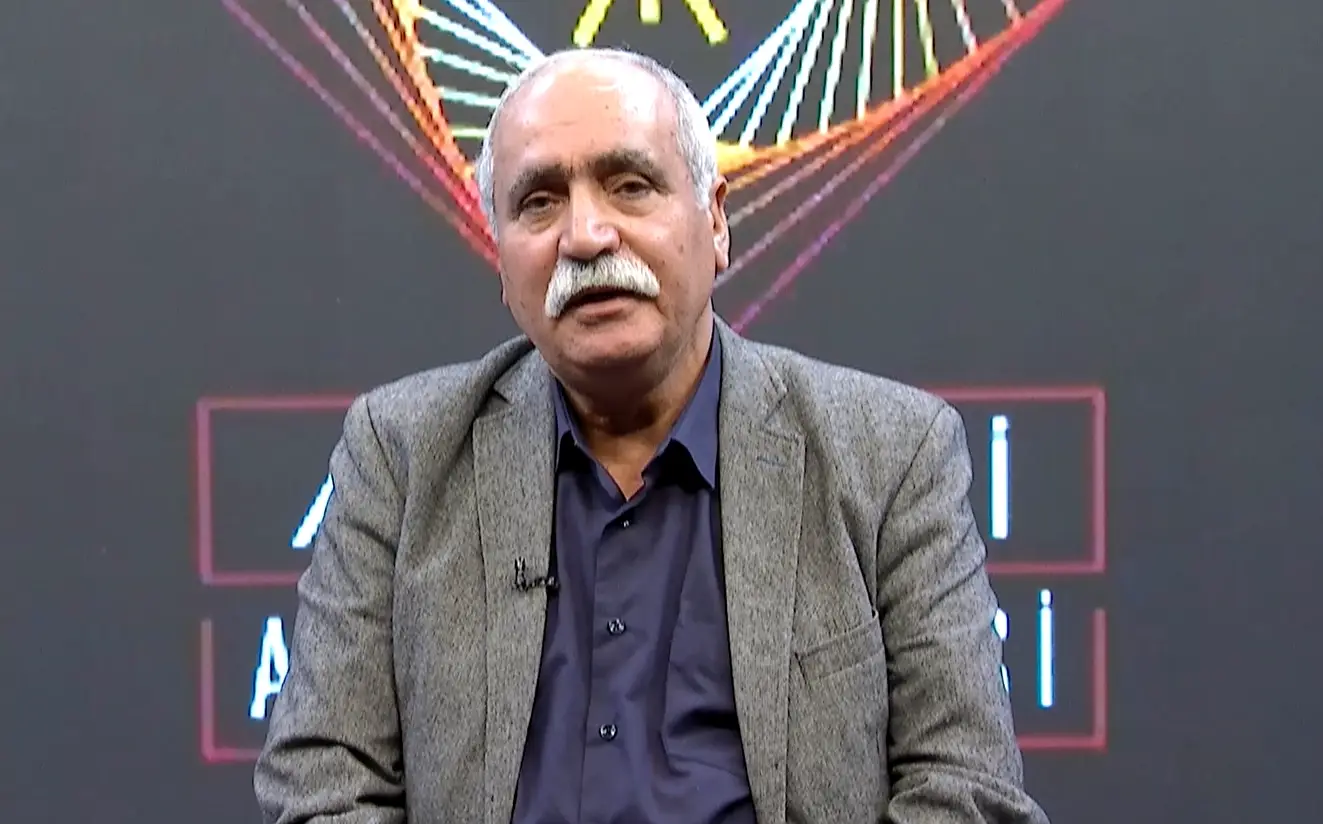
This recording was made on 6–7 December 2025 at the CAN TV studios in Cologne, Germany, within the framework of the “From the Voices of the Path Leaders” series of the Alevi Encyclopedia.
Pir Ahmet Karabulut explains that deyiş and nefes have a didactic role that concretizes the teachings of the yol–erkân; that gülbenks express prayer, niyaz, and the culture of rıza within the cem ritual; and that ağıt, mersiye, and klam transmit the community’s historical suffering, the memory of Kerbela, traumatic experiences, and the sense of resistance from generation to generation. Each of these oral–musical forms fulfills distinct functions across different dimensions of Alevi sociality—cem, muhabbet, mourning, ritual transitions, communal solidarity, and identity transmission—and together they form the holistic map of meaning of the Alevi world.
By addressing all these categories through both their historical origins and their contemporary uses, Pir demonstrates how the Alevi oral tradition constructs a theological framework, produces an ethical sensibility, and weaves Alevi social life through symbolic meanings. This narration makes visible that Alevi oral culture is not merely a musical tradition, but an ontological framework that constitutes the intellectual, emotional, and social foundations of Alevi existence.
This recording was made on 6–7 December 2025 at the CAN TV studios in Cologne, Germany, within the framework of the “From the Voices of the Path Leaders” series of the Alevi Encyclopedia.
Interviewer
- Dr. Ahmet Kerim Gültekin