Niyazlaşma (ritual greeting and salutation of the sacred in Alevism)
In this video, Pir Celal Fırat explains in detail the meaning, origins, and social functions of the practices of niyaz etme and/or niyaz olma within the Alevi belief system. Niyazlaşma in Alevism is not merely a form of greeting; it is an act of humility and rıza directed toward Hak, toward the human being, and toward the communal order. This gesture—performed by kissing the fingers and bringing them to the heart and/or the forehead—symbolizes both the individual’s inner commitment and their respect toward the community. In ritual contexts, especially during cems, ziyarets, and when sacred beings are invoked, this gesture constitutes a posture through which the individual positions themselves before truth, transcends the self, and integrates with collective consciousness. In some contexts, the kissed fingers are first brought to the forehead and then to the heart. In this sense, niyazlaşma renders visible the ethical, aesthetic, and ritual dimensions of Alevi cosmology through everyday bodily practices.
This recording was carried out within the framework of the Pirler–Analar Workshop held on 10–11 May 2025 at the Dortmund Alevi Cultural Center – Rıza Şehri Academy (DAKME) and was prepared for the Alevi Encyclopedia project. This oral account documents the knowledge and experiences of religious leaders with the aim of transmitting them to future generations, recording collective memory, and interpreting symbolic forms of behavior in Alevism within a conceptual framework.
This recording was carried out within the framework of the Pirler–Analar Workshop held on 10–11 May 2025 at the Dortmund Alevi Cultural Center – Rıza Şehri Academy (DAKME) and was prepared for the Alevi Encyclopedia project. This oral account documents the knowledge and experiences of religious leaders with the aim of transmitting them to future generations, recording collective memory, and interpreting symbolic forms of behavior in Alevism within a conceptual framework.
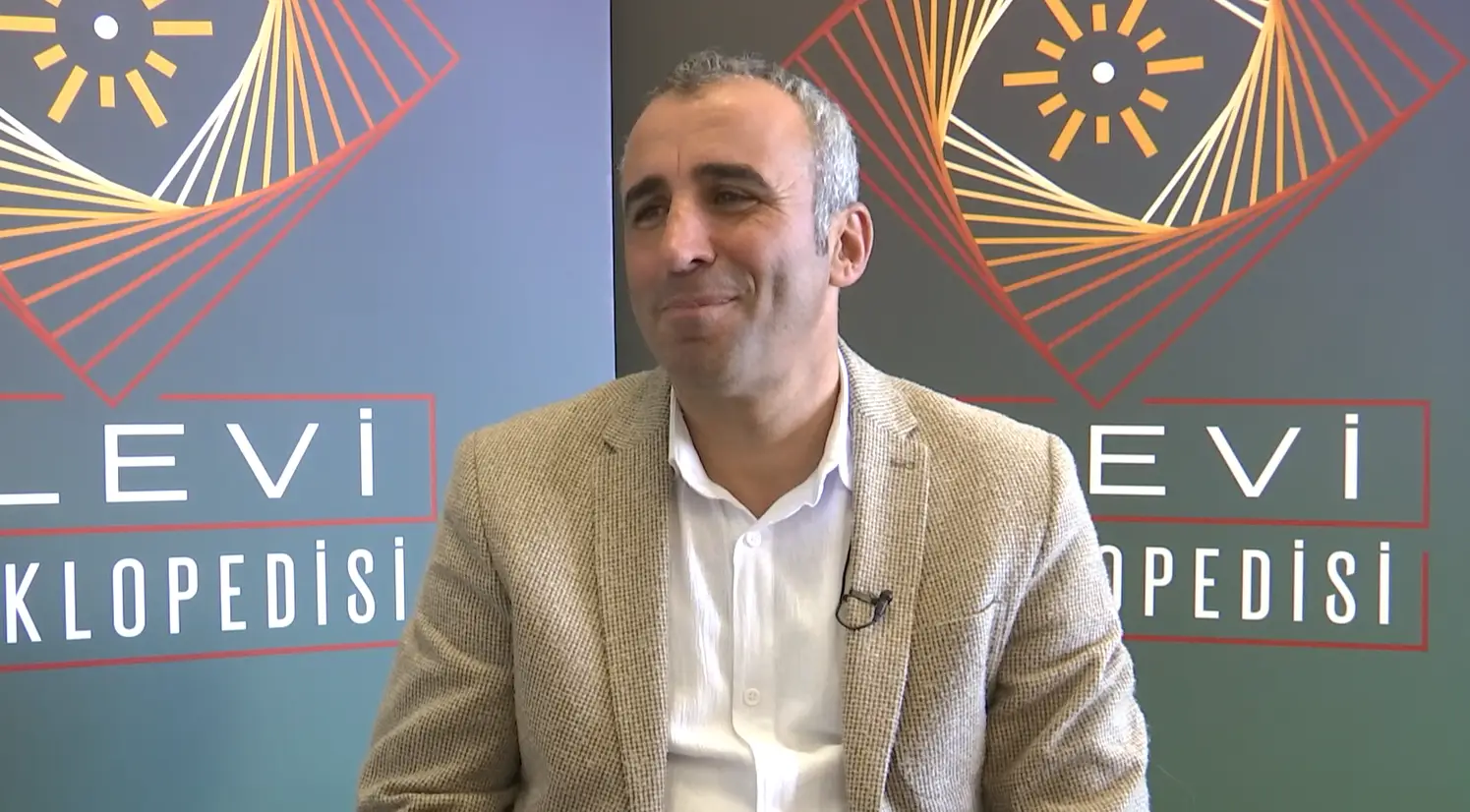
Pir Celal Fırat
Interviewer
- Dr. Ahmet Kerim Gültekin