What Is Alevism? – Alevis and Islam: İkrar, Hakikat, Devriye
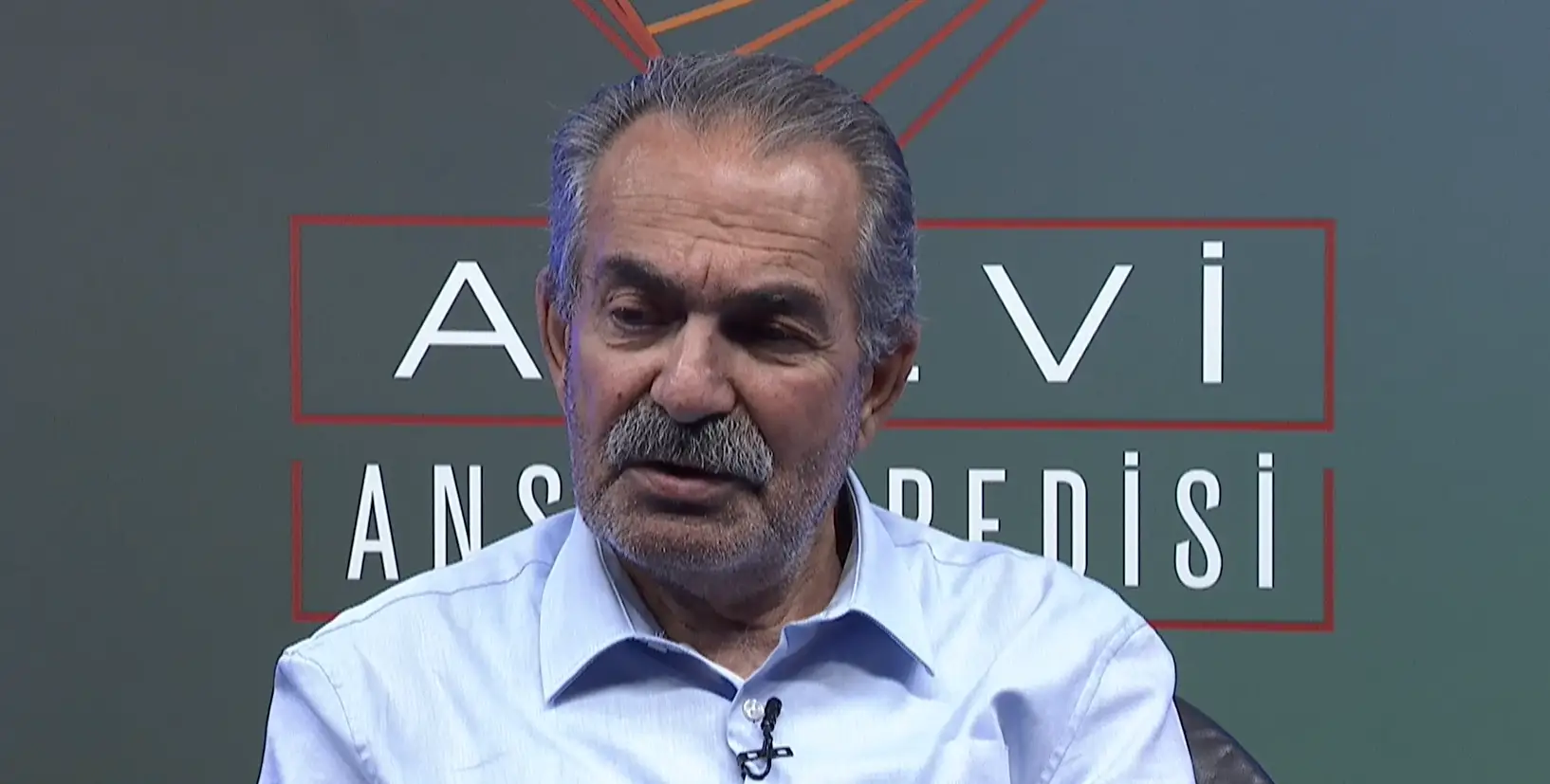
In this video, Pir Rıza Yağmur presents a comprehensive narrative shaped around the question “What is Alevism?” By explaining the ritual of ikrar through deyiş, he makes visible the deep philosophical, theological, and ethical dimensions of the Alevi belief system. Pir Rıza Yağmur emphasizes that in Alevism, deyiş are not merely a language of worship, but also a form of oral theology, an ethical system, a political stance, and a carrier of collective memory. He conveys this rich oral tradition through distinctive and powerful examples.
Throughout the video, the question “What is spirituality?” is addressed from an Alevi perspective. Capitalism, nefs, and the relationship between human beings and ethics are explained through Alevi theology. The Alevi interpretations of heaven and hell, the function of destur, and the core principles of the teaching of hakikat are discussed. The relationship between the visible (Zahir) and the invisible (Batın) realms is explained within the framework of Raa Haqi cosmology, shedding light on the metaphysical dimension of the belief system.
The video also offers highly original contributions drawn from Dersim folk narratives and tales. Through the story of the turtle, it is shown how an individual comes to recognize their identity within the narrative universe of Raa Haqi. A former merchant who committed injustice by placing stones into sacks of wheat is said to have taken on a “stone form” and been sent back into the world as a turtle. Another striking example of devriye (transmigration of the soul) is conveyed through the testimony of Başköylü Hasan Efendi, where a dog appearing during a cem is revealed to be a villager who had previously died.
Through the account of a discussion with priests about the birth of Mary and Jesus, the video explains how Alevi deyiş relate to the theologies of other Abrahamic religions. In this context, the question “Who are we?” is addressed with cosmological depth. The eternal continuity of Alevism—from pre-eternity to eternity—and its role in carrying the secret of hakikat are interpreted through deyiş.
Pir Rıza Yağmur states that “a pir who remains faithful to their ikrar carries ninety thousand verses in their mind.” With this expression, he vividly illustrates how Ocaks and pirs have historically transmitted knowledge through deyiş, how collective memory has been preserved, and how Alevi philosophy has mediated the transmission of knowledge across thousands of years. While questioning the relationship between Alevism and Islam, the video critically evaluates both the idea of an Alevism detached from Islam and an Islamized Alevism, situating these debates within a deep historical context and highlighting Alevism’s connections to universal systems of spirituality.
This recording was made on 27 June 2025 at the CAN TV studios in Cologne. The interviews were conducted as part of the Alevi Encyclopedia project.
Throughout the video, the question “What is spirituality?” is addressed from an Alevi perspective. Capitalism, nefs, and the relationship between human beings and ethics are explained through Alevi theology. The Alevi interpretations of heaven and hell, the function of destur, and the core principles of the teaching of hakikat are discussed. The relationship between the visible (Zahir) and the invisible (Batın) realms is explained within the framework of Raa Haqi cosmology, shedding light on the metaphysical dimension of the belief system.
The video also offers highly original contributions drawn from Dersim folk narratives and tales. Through the story of the turtle, it is shown how an individual comes to recognize their identity within the narrative universe of Raa Haqi. A former merchant who committed injustice by placing stones into sacks of wheat is said to have taken on a “stone form” and been sent back into the world as a turtle. Another striking example of devriye (transmigration of the soul) is conveyed through the testimony of Başköylü Hasan Efendi, where a dog appearing during a cem is revealed to be a villager who had previously died.
Through the account of a discussion with priests about the birth of Mary and Jesus, the video explains how Alevi deyiş relate to the theologies of other Abrahamic religions. In this context, the question “Who are we?” is addressed with cosmological depth. The eternal continuity of Alevism—from pre-eternity to eternity—and its role in carrying the secret of hakikat are interpreted through deyiş.
Pir Rıza Yağmur states that “a pir who remains faithful to their ikrar carries ninety thousand verses in their mind.” With this expression, he vividly illustrates how Ocaks and pirs have historically transmitted knowledge through deyiş, how collective memory has been preserved, and how Alevi philosophy has mediated the transmission of knowledge across thousands of years. While questioning the relationship between Alevism and Islam, the video critically evaluates both the idea of an Alevism detached from Islam and an Islamized Alevism, situating these debates within a deep historical context and highlighting Alevism’s connections to universal systems of spirituality.
This recording was made on 27 June 2025 at the CAN TV studios in Cologne. The interviews were conducted as part of the Alevi Encyclopedia project.
Interviewer
- Dr. Ahmet Kerim Gültekin