Zeynel Abidin in Alevi Mythology – Oppression and Resistance
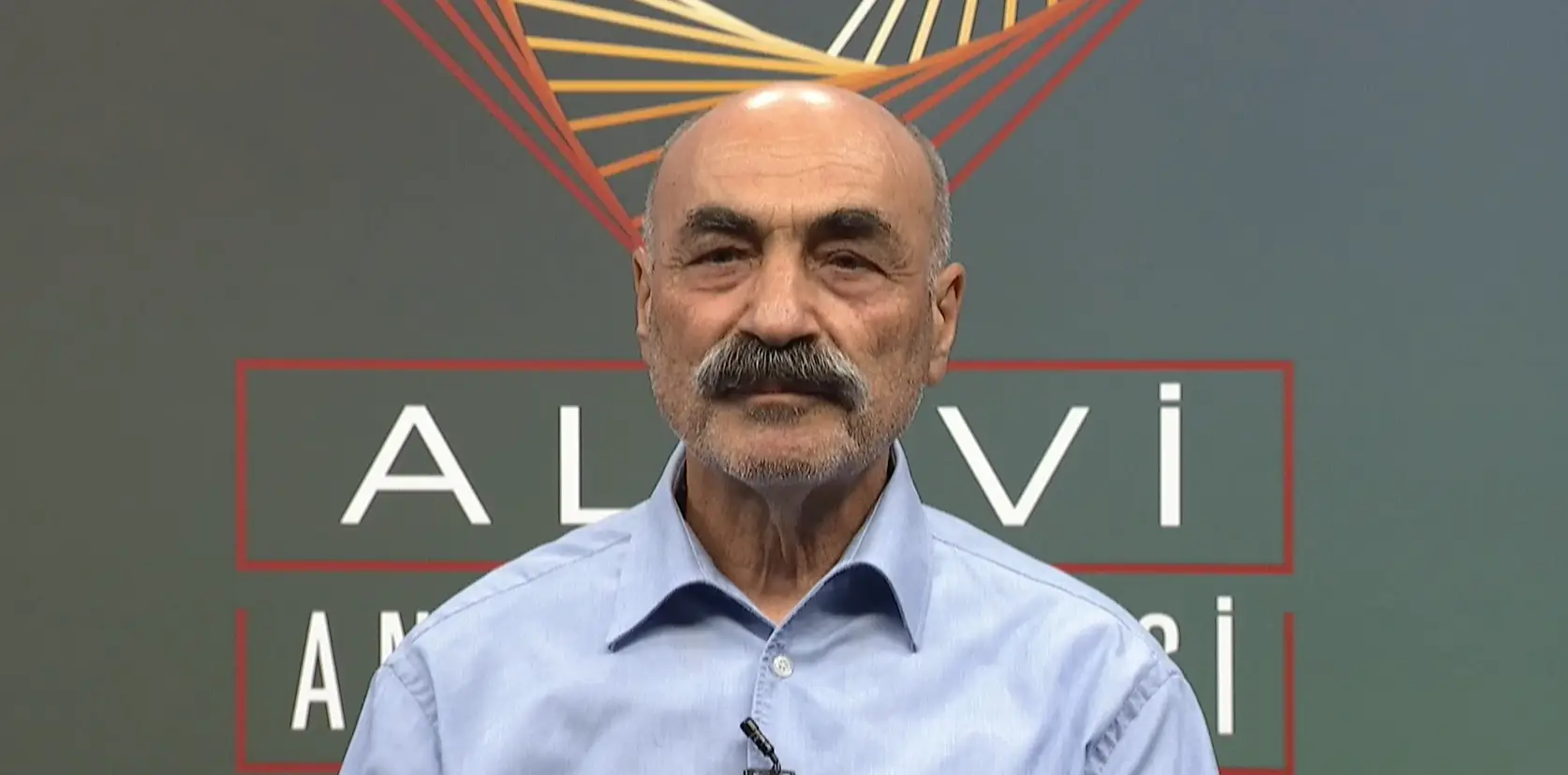
In this video, Pir Veli Uğur recounts a narrative from Alevi mythology concerning Zeynel Abidin, the only male survivor of the Kerbela tragedy. This narrative does not only offer a historical trajectory of how the lineage of the Imams continued after Kerbela, but also provides a powerful example of how Alevi communities—speaking different languages, living in different geographies, and sustaining diverse traditions—relate themselves to these sacred genealogical narratives.
Mythologies constitute the living memory of peoples. The characters, events, and symbols contained in this narrative can be understood as mental maps that reflect the core concepts of the Alevi world of meaning. The account conveyed by Pir makes visible the historical continuity of Alevism, its modes of transmission grounded in oral culture, and the collective memory of resistance shaped in the face of oppression.
The narrative of Zeynel Abidin carries a strong message that Alevism can never be completely eradicated. Regardless of the scale of oppression endured, as long as injustice and wrongdoing persist, Alevism will continue to exist as the belief of the oppressed and as an ideology of resistance. In this sense, the narrative represents not only historical knowledge for the Alevi community, but also an enduring source of resilience and hope.
The language, symbols, and elements of religious expression used by Pir Veli Uğur in conveying this narrative bring together the emotional, ethical, and historical layers of Alevi cosmology. The video offers a compelling example of the power of oral transmission in Alevism and of the social memory constructed through such narratives.
This recording was made on 27 June 2025 at the CAN TV studios in Cologne. Interviews were conducted within the framework of the Alevi Encyclopedia project.
Mythologies constitute the living memory of peoples. The characters, events, and symbols contained in this narrative can be understood as mental maps that reflect the core concepts of the Alevi world of meaning. The account conveyed by Pir makes visible the historical continuity of Alevism, its modes of transmission grounded in oral culture, and the collective memory of resistance shaped in the face of oppression.
The narrative of Zeynel Abidin carries a strong message that Alevism can never be completely eradicated. Regardless of the scale of oppression endured, as long as injustice and wrongdoing persist, Alevism will continue to exist as the belief of the oppressed and as an ideology of resistance. In this sense, the narrative represents not only historical knowledge for the Alevi community, but also an enduring source of resilience and hope.
The language, symbols, and elements of religious expression used by Pir Veli Uğur in conveying this narrative bring together the emotional, ethical, and historical layers of Alevi cosmology. The video offers a compelling example of the power of oral transmission in Alevism and of the social memory constructed through such narratives.
This recording was made on 27 June 2025 at the CAN TV studios in Cologne. Interviews were conducted within the framework of the Alevi Encyclopedia project.
Interviewer
- Dr. Ahmet Kerim Gültekin