Jiare and Xızır: Sacred Places in Raa Haqi
Note: This recording was made in German.
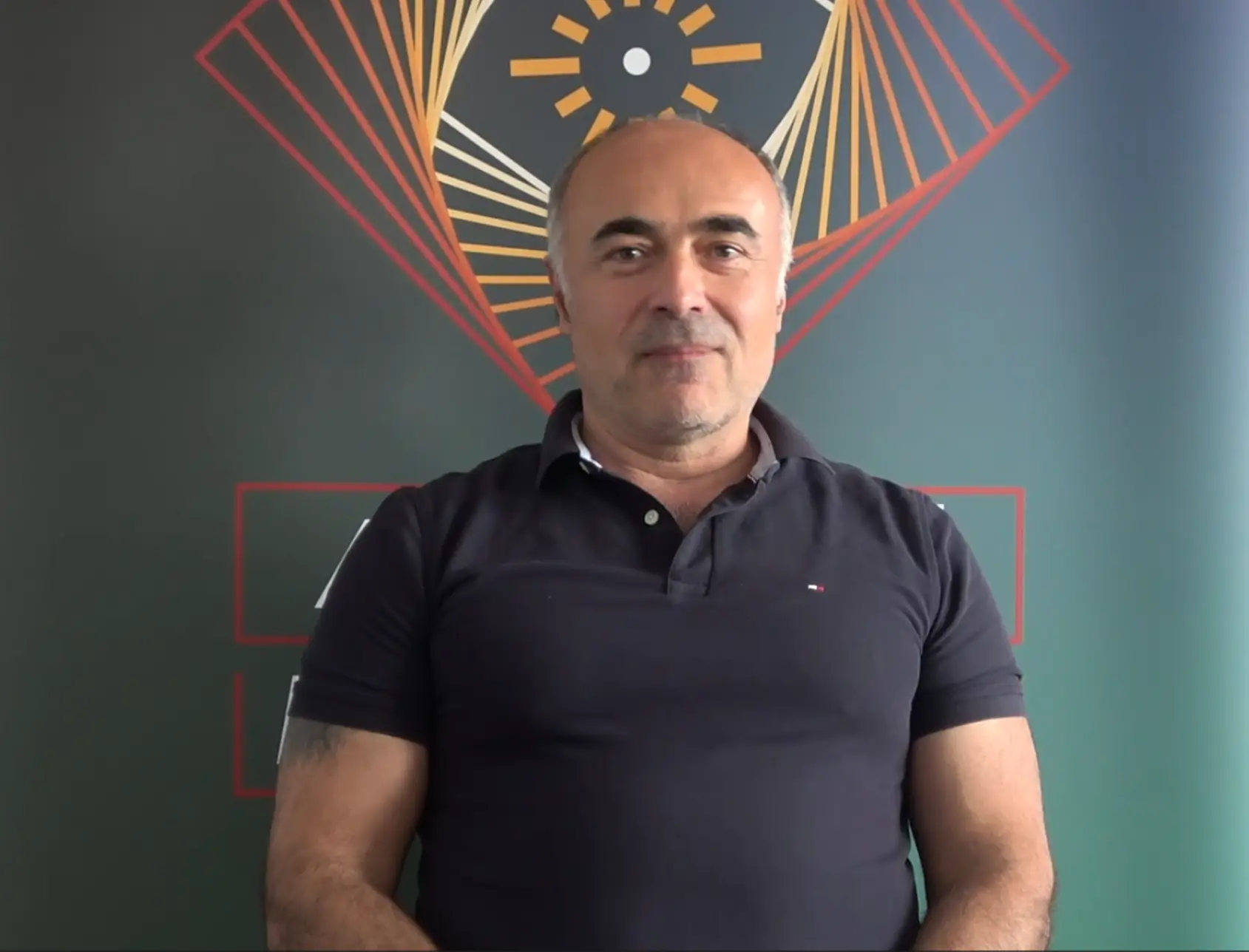
In this video, Pir Müslüm Aktar speaks about jiares in Dersim Alevism, that is, in Raa Haqi. Jiares are sacred places. In Turkish, they are often called ziyaret. In Raa Haqi, many different places and beings can be sacred: mountains, lakes, rivers, springs, trees, rocks, caves, graves, and also wild animals. These places are not only beautiful natural sites. They have a spiritual meaning. They connect people with Hak, with the ancestors, with the Ocaks, and with the history of Dersim.
Pir Müslüm Aktar explains that sacred places are an important part of religious life in Raa Haqi. People visit these places, pray there, offer vows, ask for protection, and seek healing, strength, or guidance. The jiares are also places of memory. They preserve stories, religious knowledge, and collective experiences. In Dersim, mountains, waters, stones, trees, and graves are therefore not only parts of the landscape. They are part of a living sacred geography. This sacred geography shows how closely religion, nature, memory, and community are connected in Raa Haqi.
In the video, Pir Müslüm Aktar also speaks about Karbala and Xızır. For Alevis, Karbala is a central place of suffering, memory, and moral resistance against injustice. Xızır is an important protective figure in Alevi belief. He appears in moments of need, helps people, and is connected with paths, waters, mountains, and sacred places. Through these examples, Pir Müslüm Aktar shows that jiares are not only local places. They are part of a broader Alevi cosmology. The video therefore offers an important insight into the meaning of sacred places, nature, memory, Karbala, and Xızır in Raa Haqi.
This recording was made on 18 April 2026 at Alevitische Gemeinde und Cemevi e.V. (Lange Streng 12, 65462 Ginsheim-Gustavsburg), near Frankfurt, as part of the “In the Words of the Spiritual Guides” series of the Alevi Encyclopedia.
In this video, Pir Müslüm Aktar speaks about jiares in Dersim Alevism, that is, in Raa Haqi. Jiares are sacred places. In Turkish, they are often called ziyaret. In Raa Haqi, many different places and beings can be sacred: mountains, lakes, rivers, springs, trees, rocks, caves, graves, and also wild animals. These places are not only beautiful natural sites. They have a spiritual meaning. They connect people with Hak, with the ancestors, with the Ocaks, and with the history of Dersim.
Pir Müslüm Aktar explains that sacred places are an important part of religious life in Raa Haqi. People visit these places, pray there, offer vows, ask for protection, and seek healing, strength, or guidance. The jiares are also places of memory. They preserve stories, religious knowledge, and collective experiences. In Dersim, mountains, waters, stones, trees, and graves are therefore not only parts of the landscape. They are part of a living sacred geography. This sacred geography shows how closely religion, nature, memory, and community are connected in Raa Haqi.
In the video, Pir Müslüm Aktar also speaks about Karbala and Xızır. For Alevis, Karbala is a central place of suffering, memory, and moral resistance against injustice. Xızır is an important protective figure in Alevi belief. He appears in moments of need, helps people, and is connected with paths, waters, mountains, and sacred places. Through these examples, Pir Müslüm Aktar shows that jiares are not only local places. They are part of a broader Alevi cosmology. The video therefore offers an important insight into the meaning of sacred places, nature, memory, Karbala, and Xızır in Raa Haqi.
This recording was made on 18 April 2026 at Alevitische Gemeinde und Cemevi e.V. (Lange Streng 12, 65462 Ginsheim-Gustavsburg), near Frankfurt, as part of the “In the Words of the Spiritual Guides” series of the Alevi Encyclopedia.
Interviewer
- Dr. Ahmet Kerim Gültekin