Alevis and the Cem Ritual: Meaning, Structure, and Transformation
Note: This recording was made in German.
In this video, Pir Müslüm Aktar discusses the cem ritual in Alevism. He explains what a cem is, when it is held, and why it is so important for the religious and social life of Alevis. In this context, he also explains key concepts such as rızalık, musahiplik, talip, rayber, pir, ana, and mürşid. Everyone who participates in the cem is expected to do so with rızalık. People who are in conflict, estranged, or offended are expected to reconcile first. Only after this can the cem begin. Pir Müslüm Aktar also emphasises that women and men participate in the cem together. The cem is therefore not only a religious ritual but also a space of community, responsibility, and peace.
In the video, Pir Müslüm Aktar also explains the different parts and stages of the cem. He describes what is done at each stage and what symbolic meanings these steps carry. He also discusses different forms of cem, such as the Muharrem Cemi, the Hızır Cemi, annual village cems, and contemporary cems held in Cemevis. In doing so, he shows how the cem has changed in the diaspora and in modern Alevi institutions. In the past, many cems were more closely linked to specific villages, Ocaks, and talips. Today, cems are held more frequently in Cemevis, and people from different Ocaks participate together. The video therefore offers an important insight into the religious meaning, structure, and institutional transformation of the cem ritual.
This recording was made on 18 April 2026 at Alevitische Gemeinde und Cemevi e.V. (Lange Streng 12, 65462 Ginsheim-Gustavsburg), near Frankfurt, as part of the “In the Words of the Spiritual Guides” series of the Alevi Encyclopedia.
In this video, Pir Müslüm Aktar discusses the cem ritual in Alevism. He explains what a cem is, when it is held, and why it is so important for the religious and social life of Alevis. In this context, he also explains key concepts such as rızalık, musahiplik, talip, rayber, pir, ana, and mürşid. Everyone who participates in the cem is expected to do so with rızalık. People who are in conflict, estranged, or offended are expected to reconcile first. Only after this can the cem begin. Pir Müslüm Aktar also emphasises that women and men participate in the cem together. The cem is therefore not only a religious ritual but also a space of community, responsibility, and peace.
In the video, Pir Müslüm Aktar also explains the different parts and stages of the cem. He describes what is done at each stage and what symbolic meanings these steps carry. He also discusses different forms of cem, such as the Muharrem Cemi, the Hızır Cemi, annual village cems, and contemporary cems held in Cemevis. In doing so, he shows how the cem has changed in the diaspora and in modern Alevi institutions. In the past, many cems were more closely linked to specific villages, Ocaks, and talips. Today, cems are held more frequently in Cemevis, and people from different Ocaks participate together. The video therefore offers an important insight into the religious meaning, structure, and institutional transformation of the cem ritual.
This recording was made on 18 April 2026 at Alevitische Gemeinde und Cemevi e.V. (Lange Streng 12, 65462 Ginsheim-Gustavsburg), near Frankfurt, as part of the “In the Words of the Spiritual Guides” series of the Alevi Encyclopedia.
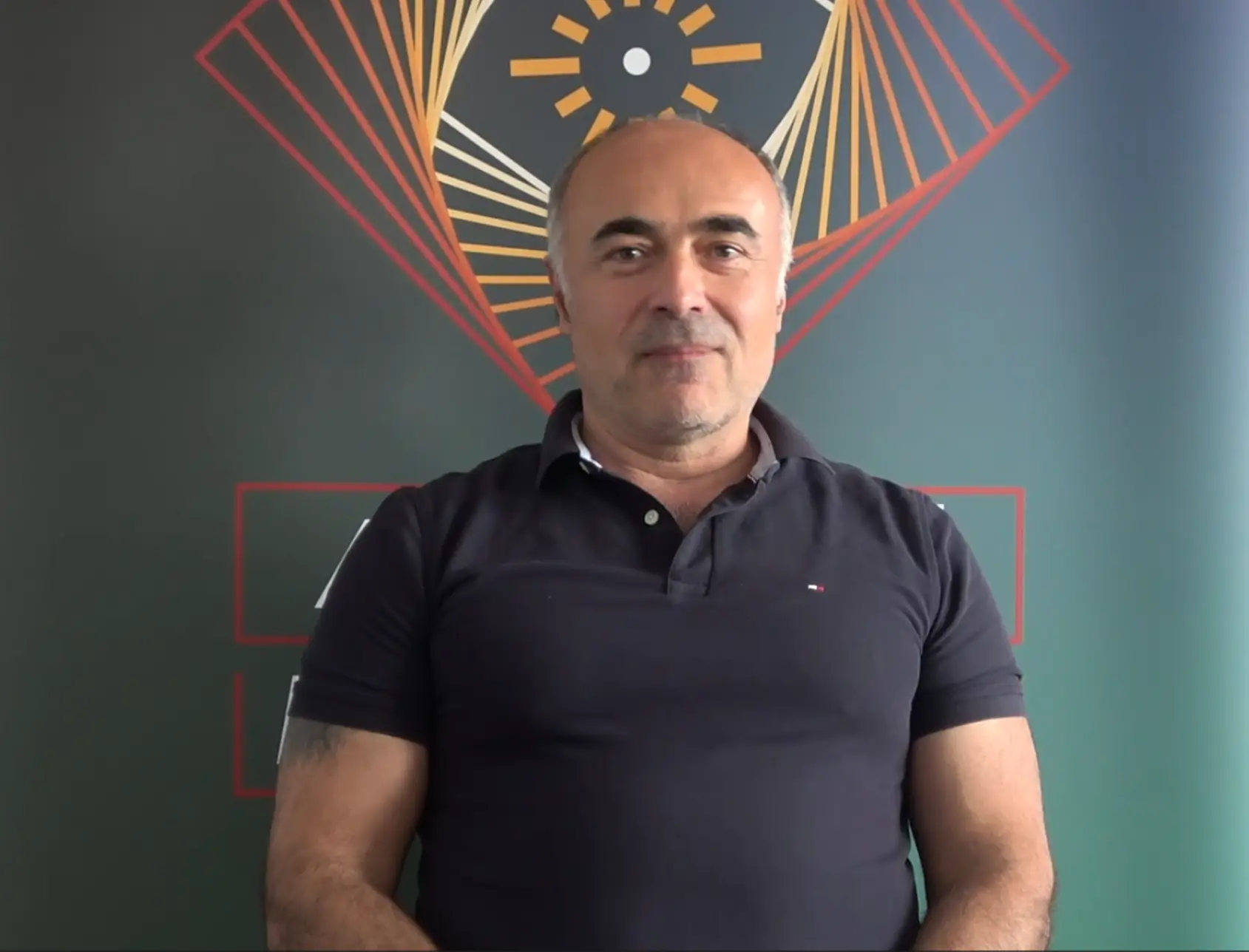
Interviewer
- Dr. Ahmet Kerim Gültekin