Sacrificial Practices in Alevism: Blood and Bloodless Offerings – Pir Haydar Buğa
In this video, Pir Haydar Buğa examines sacrificial rituals (kurban) in Alevism and the phenomenon of sacrifice within a multilayered framework of belief and meaning. He offers a comprehensive discussion centered on fundamental questions such as what sacrifice is, when and with which intentions it is offered, and what symbolic and cosmological meanings it carries in Alevi belief.
The narrative provides detailed explanations of key concept sets directly related to sacrifice in the Alevi belief world, including nefsi tığlamak, elma gülbankı, and lokma gülbankı. Pir Haydar Buğa emphasizes that these are not merely ritual practices but symbolic expressions of the relationship that humans establish with themselves, with society, and with Hak within Alevi cosmology. The gülbank examples presented in this context offer highly valuable data from oral culture, making the discussion concrete and accessible.
Particular emphasis is placed on the distinction between blood sacrifice and bloodless sacrifice. The Pir explains that in Alevism, sacrifice is not understood solely as a blood offering; bloodless offerings such as niyaz, lokma, and elma occupy a place that is just as central as blood sacrifice. The ritual meaning of niyaz—understood as bread prepared with oil—is discussed in relation to sharing, rızalık, and communal consciousness.
Pir Haydar Buğa further elaborates on how the concepts of can and rızalık in Alevism are deeply intertwined with the phenomenon of sacrifice. He underlines that sacrifice is not an individual vow but rather a form of collective sharing based on consent and a symbolic field of relationship established with Hak. Through examples of lokma gülbankı and kurban gülbankı, the complementary roles of blood and bloodless sacrifices within the Alevi ritual universe are presented in an integrated manner.
In this respect, the video approaches sacrificial rituals in Alevism not merely as folkloric or practical elements, but as a central belief phenomenon embedded within cosmology, ethics, rızalık, and networks of social relations, offering highly significant ethnographic and oral history insights.
This recording was made on 6–7 December 2025 at the CAN TV studios in Cologne, Germany, as part of the Alevi Encyclopedia’s oral history and visual archive project, within the “From the Words of the Path’s Guides” series.
The narrative provides detailed explanations of key concept sets directly related to sacrifice in the Alevi belief world, including nefsi tığlamak, elma gülbankı, and lokma gülbankı. Pir Haydar Buğa emphasizes that these are not merely ritual practices but symbolic expressions of the relationship that humans establish with themselves, with society, and with Hak within Alevi cosmology. The gülbank examples presented in this context offer highly valuable data from oral culture, making the discussion concrete and accessible.
Particular emphasis is placed on the distinction between blood sacrifice and bloodless sacrifice. The Pir explains that in Alevism, sacrifice is not understood solely as a blood offering; bloodless offerings such as niyaz, lokma, and elma occupy a place that is just as central as blood sacrifice. The ritual meaning of niyaz—understood as bread prepared with oil—is discussed in relation to sharing, rızalık, and communal consciousness.
Pir Haydar Buğa further elaborates on how the concepts of can and rızalık in Alevism are deeply intertwined with the phenomenon of sacrifice. He underlines that sacrifice is not an individual vow but rather a form of collective sharing based on consent and a symbolic field of relationship established with Hak. Through examples of lokma gülbankı and kurban gülbankı, the complementary roles of blood and bloodless sacrifices within the Alevi ritual universe are presented in an integrated manner.
In this respect, the video approaches sacrificial rituals in Alevism not merely as folkloric or practical elements, but as a central belief phenomenon embedded within cosmology, ethics, rızalık, and networks of social relations, offering highly significant ethnographic and oral history insights.
This recording was made on 6–7 December 2025 at the CAN TV studios in Cologne, Germany, as part of the Alevi Encyclopedia’s oral history and visual archive project, within the “From the Words of the Path’s Guides” series.
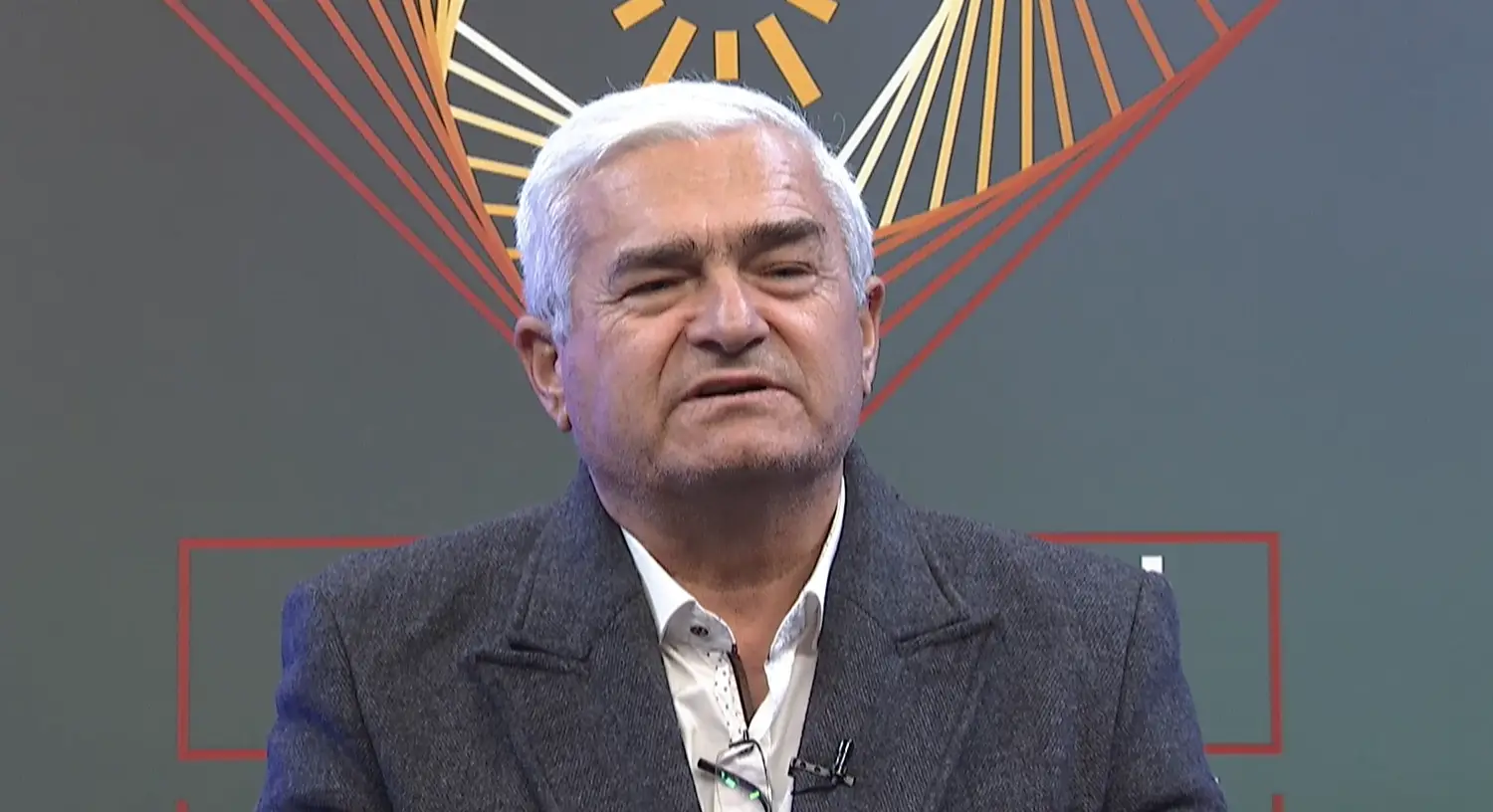
Interviewer
- Dr. Ahmet Kerim Gültekin