The Dersim Alevi Calendar, Gağan, the Xızır/Hızır Fast, Hewtemal – Black Wednesday, and the Month of Mourning
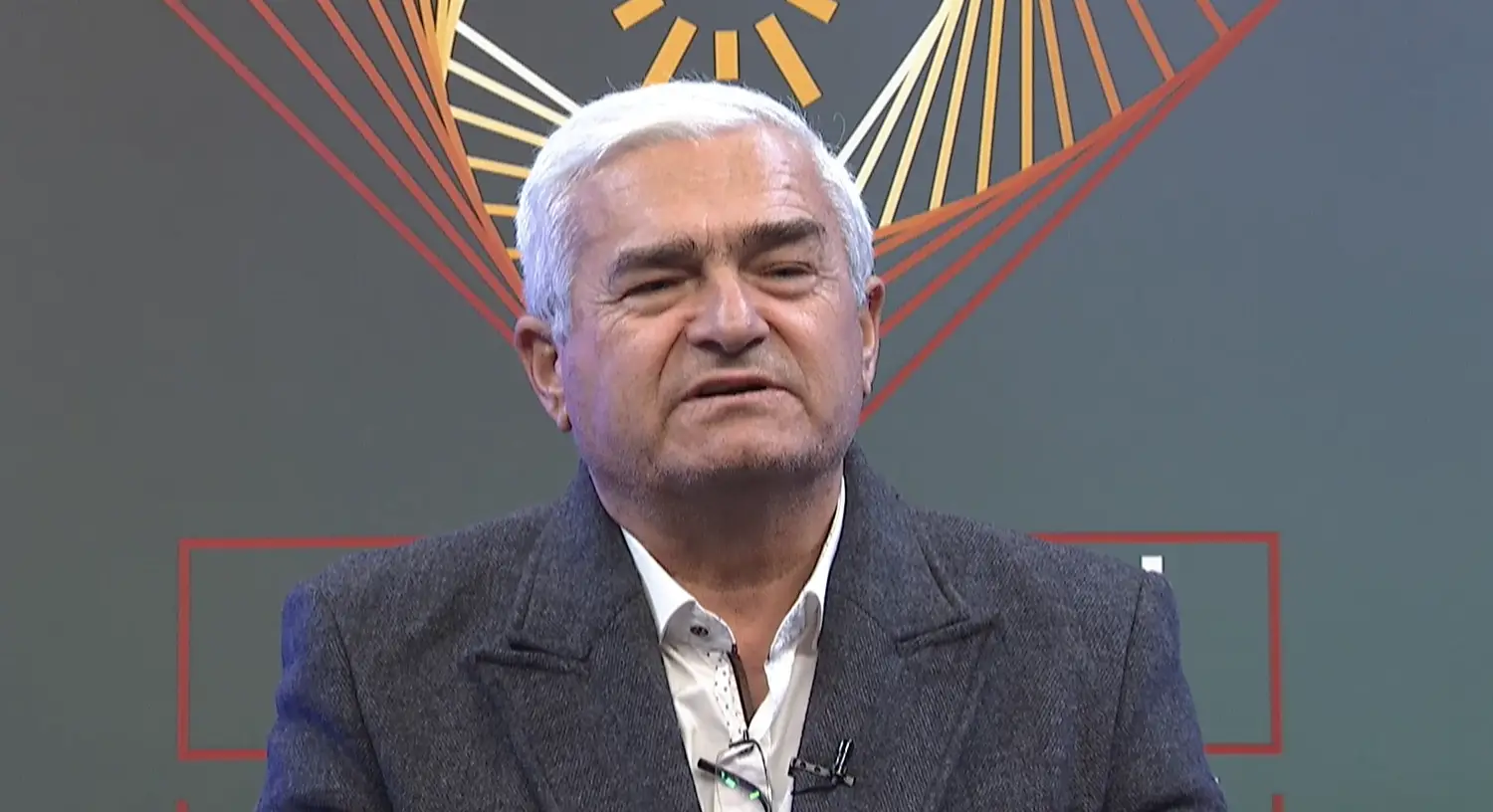
In this video, Pir Haydar Buğa provides a comprehensive discussion of the religious understanding of time known as the “Alevi calendar” in the tradition of Dersim Alevism (Raa Haqi), which varies among different Alevi communities depending on geography, language, cultural traditions, and historical background. Focusing on the Dersim Alevi tradition, the Pir explains in detail the basic logic of this calendar, its main ritual phases, and the place of this cyclical structure within religious practice.
At the center of the narrative is the period referred to in Dersim Alevism as the “three months,” which roughly extends from mid-December to March in the Gregorian calendar. Pir Haydar Buğa explains that this period begins with Gağan, continues with the Xızır fasts and the month of Xızır, and is completed with the rituals of Hewtemal (Kara Çarşamba). Each phase is discussed together with its cosmological meanings and social functions, addressing themes such as the transition from the old year to the new, the passing of the harshest phase of winter, abundance, illumination, and the reawakening of nature.
Particularly striking ethnographic insights are offered in the sections devoted to the Xızır/Hızır sacrifice. The Pir explains that the sacrificial animal was separated from the herd well in advance, treated as a member of the household for months, kept on the roof, and slaughtered only once. The gathering of the entire village during the sacrifice and the prayer delivered by the Pir underline the collective and sacred character of this ritual. Pir Haydar Boğa further relates the Xızır sacrifice to symbolic deaths found in musahiplik rituals, often expressed in Alevism through notions such as “dying and being reborn” or “dying while living,” offering an important comparative perspective.
Pir Haydar Buğa also explains how Hewtemal/Kara Çarşamba is understood as a threshold associated with the awakening of nature, the arrival of spring, and in some Alevi traditions with Hıdırellez. He elaborates on the symbolic connection established through the falling of the cemre into earth, air, and water. In addition, a ritual threshold marked by 23 October—interpreted as the period when nature “begins to die”—is discussed in relation to practices of mourning. In the later parts of the video, the fasts of the Twelve Imams are also considered within this broader calendrical framework, offering a comprehensive view of the relationship between time, nature, and ritual in Dersim Alevi belief.
In this respect, the video approaches the Alevi calendar in Dersim Alevism (Raa Haqi) not merely as a system of dates, but as a living belief system intertwined with natural cycles, cosmology, collective memory, and ritual practice, providing a highly valuable ethnographic framework.
This recording was made on 6–7 December 2025 at the CAN TV studios in Cologne, Germany, as part of the Alevi Encyclopedia’s oral history and visual archive project, within the “From the Words of the Path’s Guides” series.
At the center of the narrative is the period referred to in Dersim Alevism as the “three months,” which roughly extends from mid-December to March in the Gregorian calendar. Pir Haydar Buğa explains that this period begins with Gağan, continues with the Xızır fasts and the month of Xızır, and is completed with the rituals of Hewtemal (Kara Çarşamba). Each phase is discussed together with its cosmological meanings and social functions, addressing themes such as the transition from the old year to the new, the passing of the harshest phase of winter, abundance, illumination, and the reawakening of nature.
Particularly striking ethnographic insights are offered in the sections devoted to the Xızır/Hızır sacrifice. The Pir explains that the sacrificial animal was separated from the herd well in advance, treated as a member of the household for months, kept on the roof, and slaughtered only once. The gathering of the entire village during the sacrifice and the prayer delivered by the Pir underline the collective and sacred character of this ritual. Pir Haydar Boğa further relates the Xızır sacrifice to symbolic deaths found in musahiplik rituals, often expressed in Alevism through notions such as “dying and being reborn” or “dying while living,” offering an important comparative perspective.
Pir Haydar Buğa also explains how Hewtemal/Kara Çarşamba is understood as a threshold associated with the awakening of nature, the arrival of spring, and in some Alevi traditions with Hıdırellez. He elaborates on the symbolic connection established through the falling of the cemre into earth, air, and water. In addition, a ritual threshold marked by 23 October—interpreted as the period when nature “begins to die”—is discussed in relation to practices of mourning. In the later parts of the video, the fasts of the Twelve Imams are also considered within this broader calendrical framework, offering a comprehensive view of the relationship between time, nature, and ritual in Dersim Alevi belief.
In this respect, the video approaches the Alevi calendar in Dersim Alevism (Raa Haqi) not merely as a system of dates, but as a living belief system intertwined with natural cycles, cosmology, collective memory, and ritual practice, providing a highly valuable ethnographic framework.
This recording was made on 6–7 December 2025 at the CAN TV studios in Cologne, Germany, as part of the Alevi Encyclopedia’s oral history and visual archive project, within the “From the Words of the Path’s Guides” series.
Interviewer
- Ahmet Kerim Gültekin