The Kırklar, Selflessness, and Equality in Alevism
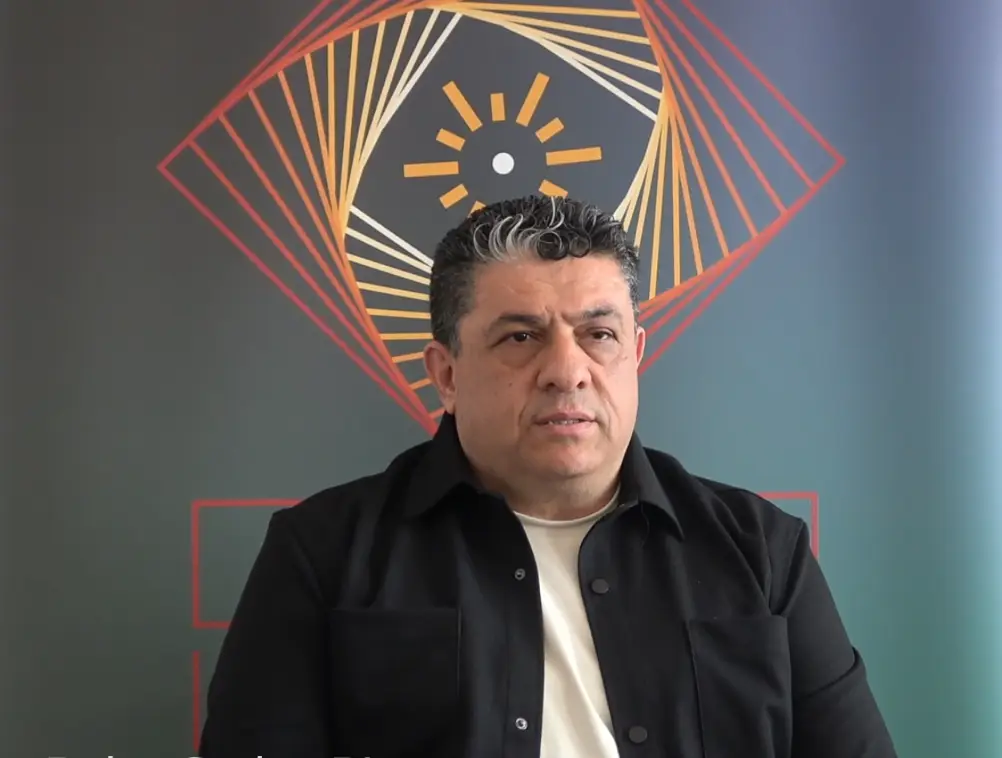
In this video, Baba Sedat Bican discusses the phenomenon of the Kırklar (The Forty), one of the most central concepts and foundational narratives of Alevi traditions. Occupying a significant place in Alevi cosmology, cem rituals, and particularly in the narratives of the miraçlama, the Kırklar are not merely a mythological account belonging to the past. Rather, they constitute one of the fundamental symbolic frameworks through which Alevism articulates its understanding of equality, selflessness, rıza, unity, and truth.
Bican explains the narrative of the Kırklar primarily through the concepts of equality and selflessness. Within this narrative, the equal recognition of women and men, human beings and other living beings, and all those who enter the Yol is presented as one of the principal foundations of Alevi belief and philosophy. In this respect, the narrative of the Kırklar stands at the centre of a distinctive interpretive tradition that differs from classical scriptural understandings of religion and has often been described from outside as “heterodox” or even “outside Islam.”
The video emphasises that, within Alevi-Bektashi thought, the Kırklar are not only a sacred narrative but also one of the principal sources of the cem ritual order, the ideal of social equality, the unity of women and men, a cosmological perspective that does not establish hierarchies among living beings, and the Alevi notion of overcoming the ego. Baba Sedat Bican examines this foundational narrative through the concepts of the Yol, ritual memory, and its contemporary meanings within Alevism.
This recording was made on 18 April 2026 at Alevitische Gemeinde und Cemevi e.V. (Lange Streng 12, 65462 Ginsheim-Gustavsburg), near Frankfurt, as part of the “In the Words of the Spiritual Guides” series of the Alevi Encyclopedia.
Bican explains the narrative of the Kırklar primarily through the concepts of equality and selflessness. Within this narrative, the equal recognition of women and men, human beings and other living beings, and all those who enter the Yol is presented as one of the principal foundations of Alevi belief and philosophy. In this respect, the narrative of the Kırklar stands at the centre of a distinctive interpretive tradition that differs from classical scriptural understandings of religion and has often been described from outside as “heterodox” or even “outside Islam.”
The video emphasises that, within Alevi-Bektashi thought, the Kırklar are not only a sacred narrative but also one of the principal sources of the cem ritual order, the ideal of social equality, the unity of women and men, a cosmological perspective that does not establish hierarchies among living beings, and the Alevi notion of overcoming the ego. Baba Sedat Bican examines this foundational narrative through the concepts of the Yol, ritual memory, and its contemporary meanings within Alevism.
This recording was made on 18 April 2026 at Alevitische Gemeinde und Cemevi e.V. (Lange Streng 12, 65462 Ginsheim-Gustavsburg), near Frankfurt, as part of the “In the Words of the Spiritual Guides” series of the Alevi Encyclopedia.
Interviewer
- Dr. Ahmet Kerim Gültekin