Yas-ı Matem Ritual Practices in Dersim Alevism (Raa Haq), Kerbela, and the Hüseyni Duruş
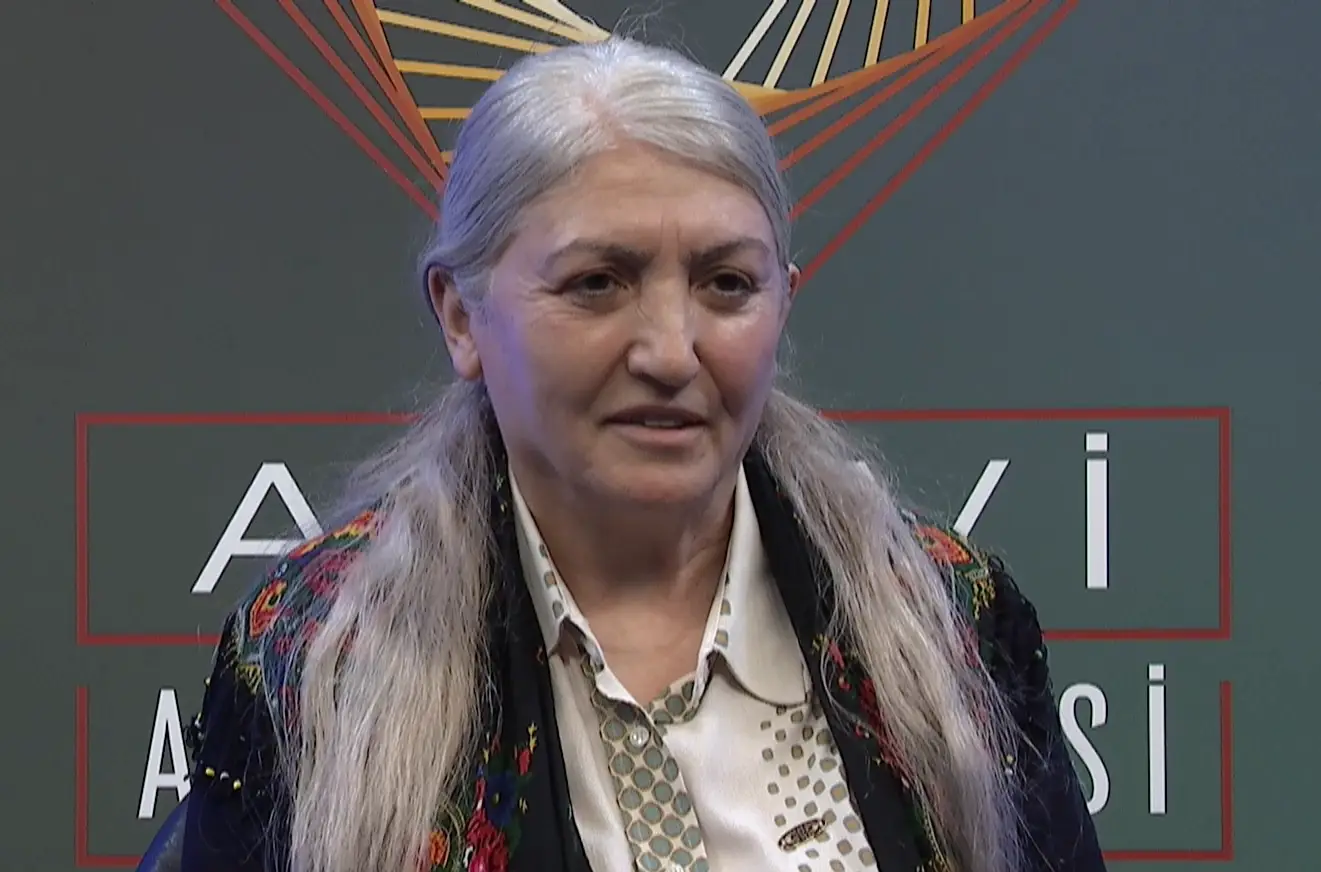
In this video, Ana Didar Cenan discusses the Yas-ı Matem period in Dersim Alevism (Raa Haqi) within a ritual and meaning world intertwined with the revival of nature, rebirth, and the renewal of cycles. This threshold, symbolized by the descent of cemres into air, water, and soil, marks a time in Raa Haqi belief when the cosmic cycle is renewed and historical memory and ethical stance are recalled.
Ana Didar Cenan’s narration also makes visible the repercussions of state interventions targeting Dersim Ocaks and jiares (ziyarets) on religious practice. These external interventions, centered on Ocaks and ziyarets, are addressed together with emotional traumas, ruptures in belief, and wounds opened in collective memory. Ana Didar Cenan conveys, through her own experiences, how Yas-ı Matem and the fasts of the 12 İmamlar intersect with these interventions and concretize physical and epistemic violence directed at the Alevi community in the Dersim context. The narration is supported at times by Kurmanci deyiş and prayers, expressing the world of meaning and emotion of Raa Haqi in its own language.
In the video, Yas-ı Matem is explained in detail through the distinctive ritual repertoire of Dersim Alevism. Practices such as not eating meat during the mourning days, avoiding entertainment, weddings, and festivities, eating very little, and refraining from touching or consuming round objects are conveyed together with the rituals following the fasts of the 12 İmamlar. During this period, communal solidarity in village life is strengthened. Mutual care, collective visits to jiares, and shared niyaz practices come to the fore.
Ana Didar Cenan’s deliberate use of the expression “Raa Haq Alevis” is particularly noteworthy, as it articulates from within the distinctive position of the Dersim-centered Raa Haqi tradition among Alevi paths through its own concepts. This expression constitutes a powerful internal testimony grounded in the universe of meanings, emotions, and symbols of Dersim Alevism. The video also addresses the foundational role of the Kerbela narrative in Alevism through key narrative figures such as the “stance of Hüseyin” (Hüseyni duruş) and the “cry of Zeynep,” making visible their resonances and ethical–political implications among Dersim Alevis. Standing with the oppressed, identifying with the oppressed, and keeping the demand for justice alive are explained as core elements of the Raa Haqi belief framework.
This video constitutes an important oral history record that documents, with highly valuable ethnographic data, the historical, ritual, emotional, and social dimensions of Yas-ı Matem rituals, Kerbela memory, and the Hüseyni duruş in Dersim Alevism (Raa Haqi).
This recording was made on 6–7 December 2025 at the CAN TV studios in Cologne, Germany, within the oral history and visual archive project of the Alevi Encyclopedia, as part of the “From the Voices of the Path
Ana Didar Cenan’s narration also makes visible the repercussions of state interventions targeting Dersim Ocaks and jiares (ziyarets) on religious practice. These external interventions, centered on Ocaks and ziyarets, are addressed together with emotional traumas, ruptures in belief, and wounds opened in collective memory. Ana Didar Cenan conveys, through her own experiences, how Yas-ı Matem and the fasts of the 12 İmamlar intersect with these interventions and concretize physical and epistemic violence directed at the Alevi community in the Dersim context. The narration is supported at times by Kurmanci deyiş and prayers, expressing the world of meaning and emotion of Raa Haqi in its own language.
In the video, Yas-ı Matem is explained in detail through the distinctive ritual repertoire of Dersim Alevism. Practices such as not eating meat during the mourning days, avoiding entertainment, weddings, and festivities, eating very little, and refraining from touching or consuming round objects are conveyed together with the rituals following the fasts of the 12 İmamlar. During this period, communal solidarity in village life is strengthened. Mutual care, collective visits to jiares, and shared niyaz practices come to the fore.
Ana Didar Cenan’s deliberate use of the expression “Raa Haq Alevis” is particularly noteworthy, as it articulates from within the distinctive position of the Dersim-centered Raa Haqi tradition among Alevi paths through its own concepts. This expression constitutes a powerful internal testimony grounded in the universe of meanings, emotions, and symbols of Dersim Alevism. The video also addresses the foundational role of the Kerbela narrative in Alevism through key narrative figures such as the “stance of Hüseyin” (Hüseyni duruş) and the “cry of Zeynep,” making visible their resonances and ethical–political implications among Dersim Alevis. Standing with the oppressed, identifying with the oppressed, and keeping the demand for justice alive are explained as core elements of the Raa Haqi belief framework.
This video constitutes an important oral history record that documents, with highly valuable ethnographic data, the historical, ritual, emotional, and social dimensions of Yas-ı Matem rituals, Kerbela memory, and the Hüseyni duruş in Dersim Alevism (Raa Haqi).
This recording was made on 6–7 December 2025 at the CAN TV studios in Cologne, Germany, within the oral history and visual archive project of the Alevi Encyclopedia, as part of the “From the Voices of the Path
Interviewer
- Dr. Ahmet Kerim Gültekin