Xızır (Hızır) Months (Üç Aylar) and Fasts in Dersim Alevism (Raa Haqi), Kurmanci Prayers
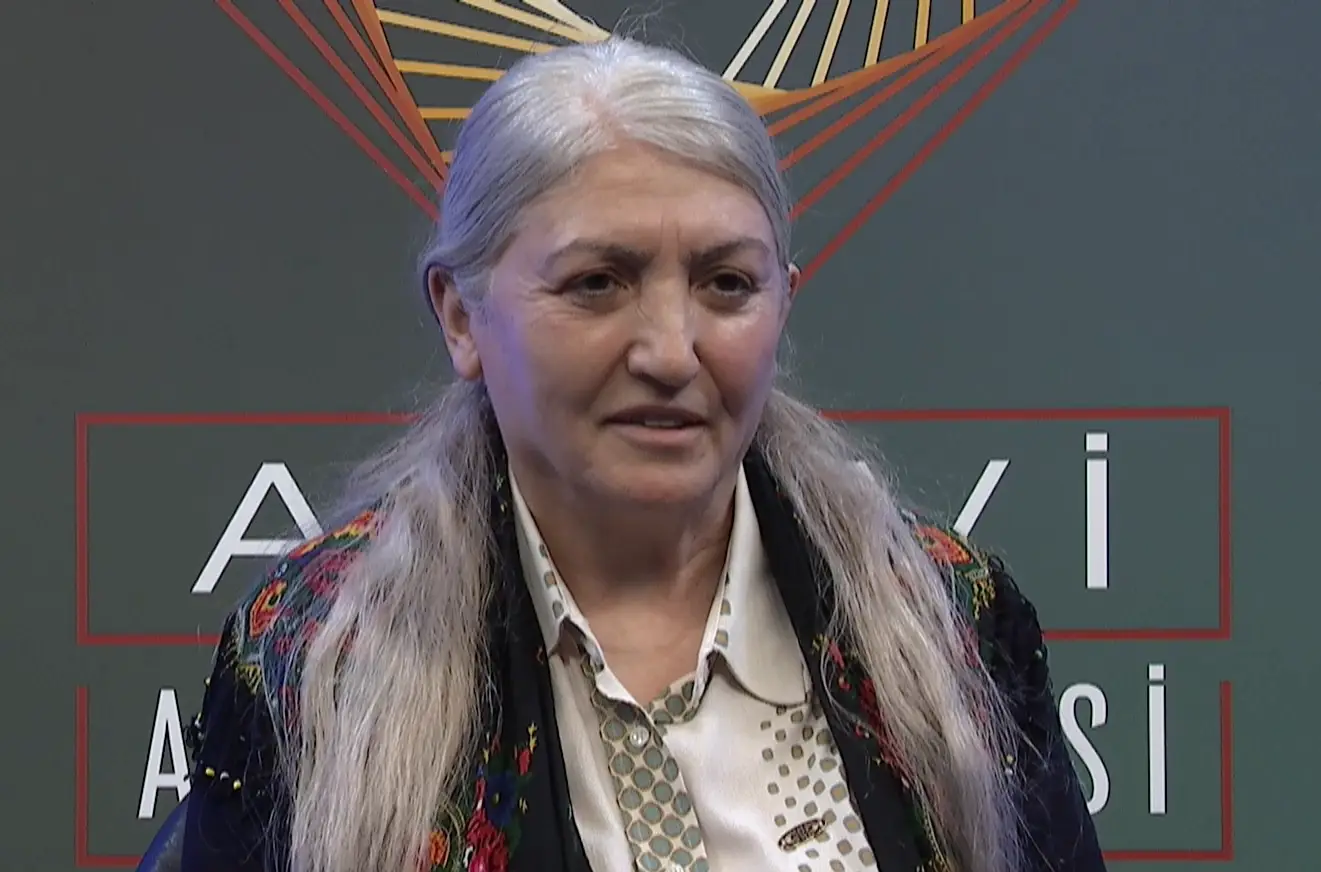
In this video, Ana Didar Cenan discusses in detail the Xızır (Hızır) months and Xızır fasts, which hold a central place in the religious calendar of Dersim Alevism (Raa Haqi), particularly within the context of Gağan rituals. The narration presents the calendrical, social, and religious dimensions of the Xızır period from an internal perspective, through rituals, prayers, and everyday village life. At various points, Kurmanci prayers and deyiş are included, making visible the world of meaning and emotion of the Raa Haqi belief through its own language and symbolic universe.
Ana Didar Cenan shares important ethnographic details about periods when the winter months in the Dersim mountains were extremely harsh. During times when snow reached three to four meters in some years, village life gained intense religious and social dynamism around cems, Gağan and Xızır fasts, visits to jiares (ziyarets), and devotional practices. In this context, pirs, Ocaks, and village cems emerge as the most prominent social and religious actors of the winter season.
The video also describes in detail the material and symbolic preparation processes of the rituals belonging to the transitional period between December and March. Accordingly, Dersim Alevis set aside foods such as barley and millet for Xızır and Gağan rituals already during the summer and autumn harvests. Shares are determined months in advance for all actors, including people, Ocaks, pirs, neighbors, jiares (ziyarets), and even domestic animals. This demonstrates that in Dersim Alevism, the relationship between humans, nature, and the sacred is established through a long-term, planned, and collective understanding.
Ana Didar Cenan explains the Xızır fasts and the belief in the “arrival of Xızır” in relation to the abundance, fertility, hopes, and expectations of the new year. The meaning and practice of fasting in Alevism are explained through rules such as eating only one meal per day, not drinking water, not eating meat, not slaughtering animals, and not harming any living being. During the fasting period, the central role of jiares in village life is emphasized. Taking teberik (sacred earth), eating a small portion of it, and all households gathering at jiares to share niyaz are presented as core indicators of communal life.
The video also stresses that resting, lying down, or sleeping during the fast is not accepted. The fasting person is expected to internalize çile through work and effort. Details such as evening cem–civat gatherings, the comparison of the “arrival of the gray-horsed Xızır” to snowstorms, the kavut tradition and its preparation, and the special roles of young people in these rituals offer highly distinctive ethnographic data. On the final day of the Xızır fasts, refraining from drinking water and young people attempting to see dreams are associated with the understanding of Xızır as a figure who grants wishes, symbolically linked to expectations of marriage and the future. Ana Didar Cenan complements the narration by sharing, through her own life experience, the story of how she met her spouse, providing a powerful example of personal and collective memory.
This video constitutes an important oral history record that offers highly valuable ethnographic, historical, and sociological insights into Xızır belief, fasting practices, and communal village life in Dersim Alevism (Raa Haqi).
This recording was made on 6–7 December 2025 at the CAN TV studios in Cologne, Germany, within the oral history and visual archive project of the Alevi Encyclopedia, as part of the “From the Voices of the Path Leaders” series.
Ana Didar Cenan shares important ethnographic details about periods when the winter months in the Dersim mountains were extremely harsh. During times when snow reached three to four meters in some years, village life gained intense religious and social dynamism around cems, Gağan and Xızır fasts, visits to jiares (ziyarets), and devotional practices. In this context, pirs, Ocaks, and village cems emerge as the most prominent social and religious actors of the winter season.
The video also describes in detail the material and symbolic preparation processes of the rituals belonging to the transitional period between December and March. Accordingly, Dersim Alevis set aside foods such as barley and millet for Xızır and Gağan rituals already during the summer and autumn harvests. Shares are determined months in advance for all actors, including people, Ocaks, pirs, neighbors, jiares (ziyarets), and even domestic animals. This demonstrates that in Dersim Alevism, the relationship between humans, nature, and the sacred is established through a long-term, planned, and collective understanding.
Ana Didar Cenan explains the Xızır fasts and the belief in the “arrival of Xızır” in relation to the abundance, fertility, hopes, and expectations of the new year. The meaning and practice of fasting in Alevism are explained through rules such as eating only one meal per day, not drinking water, not eating meat, not slaughtering animals, and not harming any living being. During the fasting period, the central role of jiares in village life is emphasized. Taking teberik (sacred earth), eating a small portion of it, and all households gathering at jiares to share niyaz are presented as core indicators of communal life.
The video also stresses that resting, lying down, or sleeping during the fast is not accepted. The fasting person is expected to internalize çile through work and effort. Details such as evening cem–civat gatherings, the comparison of the “arrival of the gray-horsed Xızır” to snowstorms, the kavut tradition and its preparation, and the special roles of young people in these rituals offer highly distinctive ethnographic data. On the final day of the Xızır fasts, refraining from drinking water and young people attempting to see dreams are associated with the understanding of Xızır as a figure who grants wishes, symbolically linked to expectations of marriage and the future. Ana Didar Cenan complements the narration by sharing, through her own life experience, the story of how she met her spouse, providing a powerful example of personal and collective memory.
This video constitutes an important oral history record that offers highly valuable ethnographic, historical, and sociological insights into Xızır belief, fasting practices, and communal village life in Dersim Alevism (Raa Haqi).
This recording was made on 6–7 December 2025 at the CAN TV studios in Cologne, Germany, within the oral history and visual archive project of the Alevi Encyclopedia, as part of the “From the Voices of the Path Leaders” series.
Interviewer
- Dr. Ahmet Kerim Gültekin