Ağuiçen Ocak, Raa Haqi, Dersim Alevism, Kurmanci Prayer
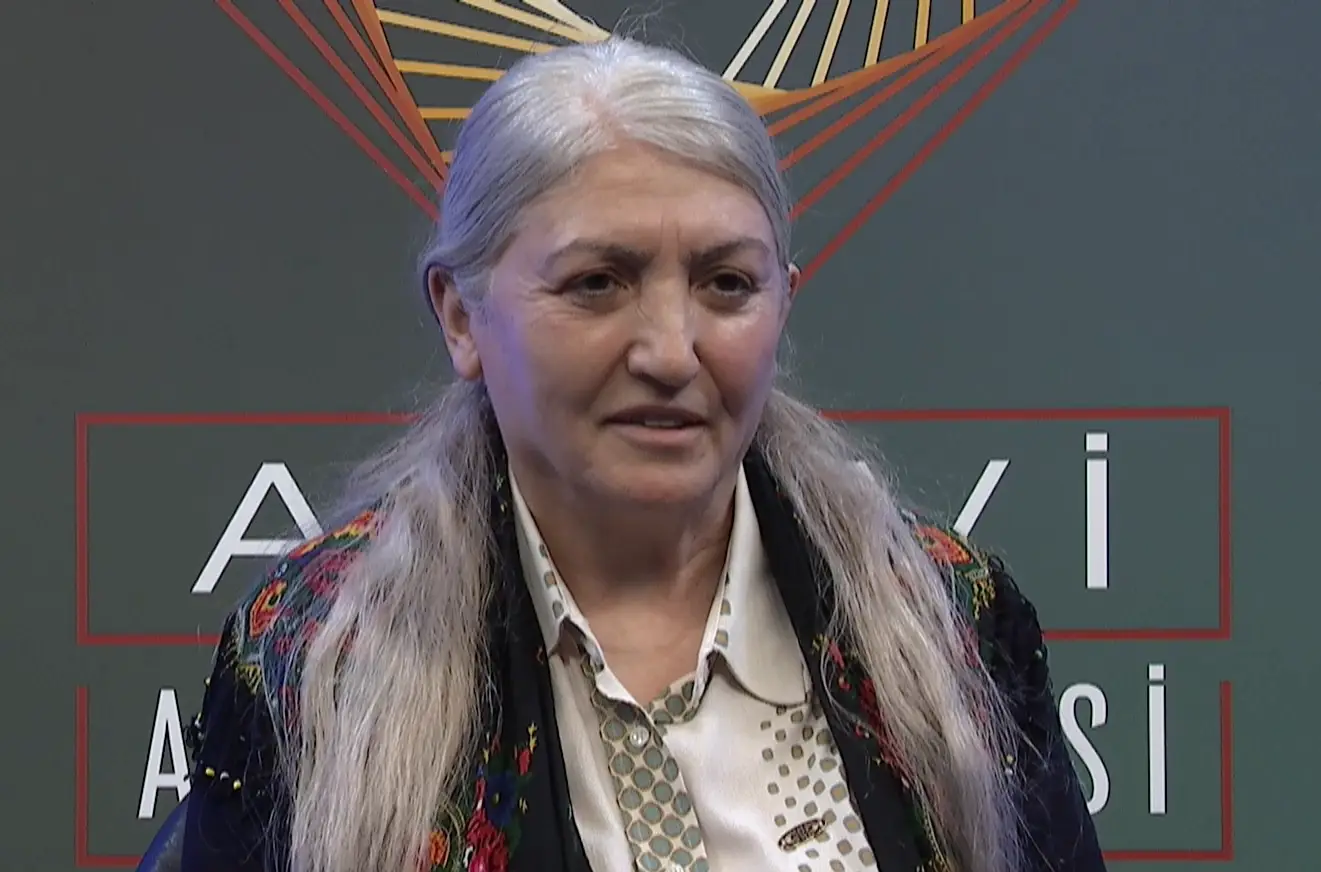
In this video, Ana Didar Cenan shares historically, sociologically, and ethnographically significant information about the Ağuiçen Ocak, of which she is a descendant. The narration interweaves personal memory with Ocak-centered collective memory, making visible from an internal perspective the place of the Ocak institution in everyday life, ritual practices, and the belief world of Dersim Alevism (Raa Haqi).
Ana Didar Cenan discusses in detail the current activities of the Ağuiçen Ocak, the prominent branches within the Ocak, the relations established with talips, and the transformations of these relations over time. Through narratives of village life from her childhood and early youth, the Ocak activities, Alevi rituals, and social relations in the village of Bargini—accepted as the center of the Ağuiçen Ocak and holding a central position among Dersim Alevi Ocaks—are conveyed in a vivid and detailed manner. This narration also sheds light on the traces and ruptures left by the 1938 process on Ocak structures and religious practice. In particular, a cem experience shared by Ana Didar Cenan stands out for its ritual authenticity and richness of detail.
The video also provides a detailed account of the talip geography of the Ağuiçen Ocak. It explains from which regions of Turkey talips are affiliated with the Ocak, when and how they visit it, and through which ritual practices these visits are carried out. The arrival of talips in the village and at the central jiare (sacred place) of the Ağuiçen Ocak, their stay in the village and in Ocak households, and the experience of this process as a comprehensive form of “pilgrimage” offer highly important insights into how Alevi worship is intertwined with the social fabric. Narratives such as talips dismounting their horses about one kilometer before reaching the village and completing the path barefoot stand out as striking examples of the ritual repertoire characteristic of Dersim Alevism (Raa Haqi).
These narratives, conveyed at times in Kurmanci by Ana Didar Cenan, offer an internal, comprehensive, and in-depth testimony on the Raa Haqi belief and the Ocak institution. They make visible the historical continuity and transformation of Ocak–talip relations within the Alevi belief world.
This recording was made on 6–7 December 2025 at the CAN TV studios in Cologne, Germany, within the oral history and visual archive project of the Alevi Encyclopedia, as part of the “From the Voices of the Path Leaders” series.
Ana Didar Cenan discusses in detail the current activities of the Ağuiçen Ocak, the prominent branches within the Ocak, the relations established with talips, and the transformations of these relations over time. Through narratives of village life from her childhood and early youth, the Ocak activities, Alevi rituals, and social relations in the village of Bargini—accepted as the center of the Ağuiçen Ocak and holding a central position among Dersim Alevi Ocaks—are conveyed in a vivid and detailed manner. This narration also sheds light on the traces and ruptures left by the 1938 process on Ocak structures and religious practice. In particular, a cem experience shared by Ana Didar Cenan stands out for its ritual authenticity and richness of detail.
The video also provides a detailed account of the talip geography of the Ağuiçen Ocak. It explains from which regions of Turkey talips are affiliated with the Ocak, when and how they visit it, and through which ritual practices these visits are carried out. The arrival of talips in the village and at the central jiare (sacred place) of the Ağuiçen Ocak, their stay in the village and in Ocak households, and the experience of this process as a comprehensive form of “pilgrimage” offer highly important insights into how Alevi worship is intertwined with the social fabric. Narratives such as talips dismounting their horses about one kilometer before reaching the village and completing the path barefoot stand out as striking examples of the ritual repertoire characteristic of Dersim Alevism (Raa Haqi).
These narratives, conveyed at times in Kurmanci by Ana Didar Cenan, offer an internal, comprehensive, and in-depth testimony on the Raa Haqi belief and the Ocak institution. They make visible the historical continuity and transformation of Ocak–talip relations within the Alevi belief world.
This recording was made on 6–7 December 2025 at the CAN TV studios in Cologne, Germany, within the oral history and visual archive project of the Alevi Encyclopedia, as part of the “From the Voices of the Path Leaders” series.
Interviewer
- Dr. Ahmet Kerim Gültekin