The Service of Ocak Households to Talips and the Role of Women in Dersim Alevism
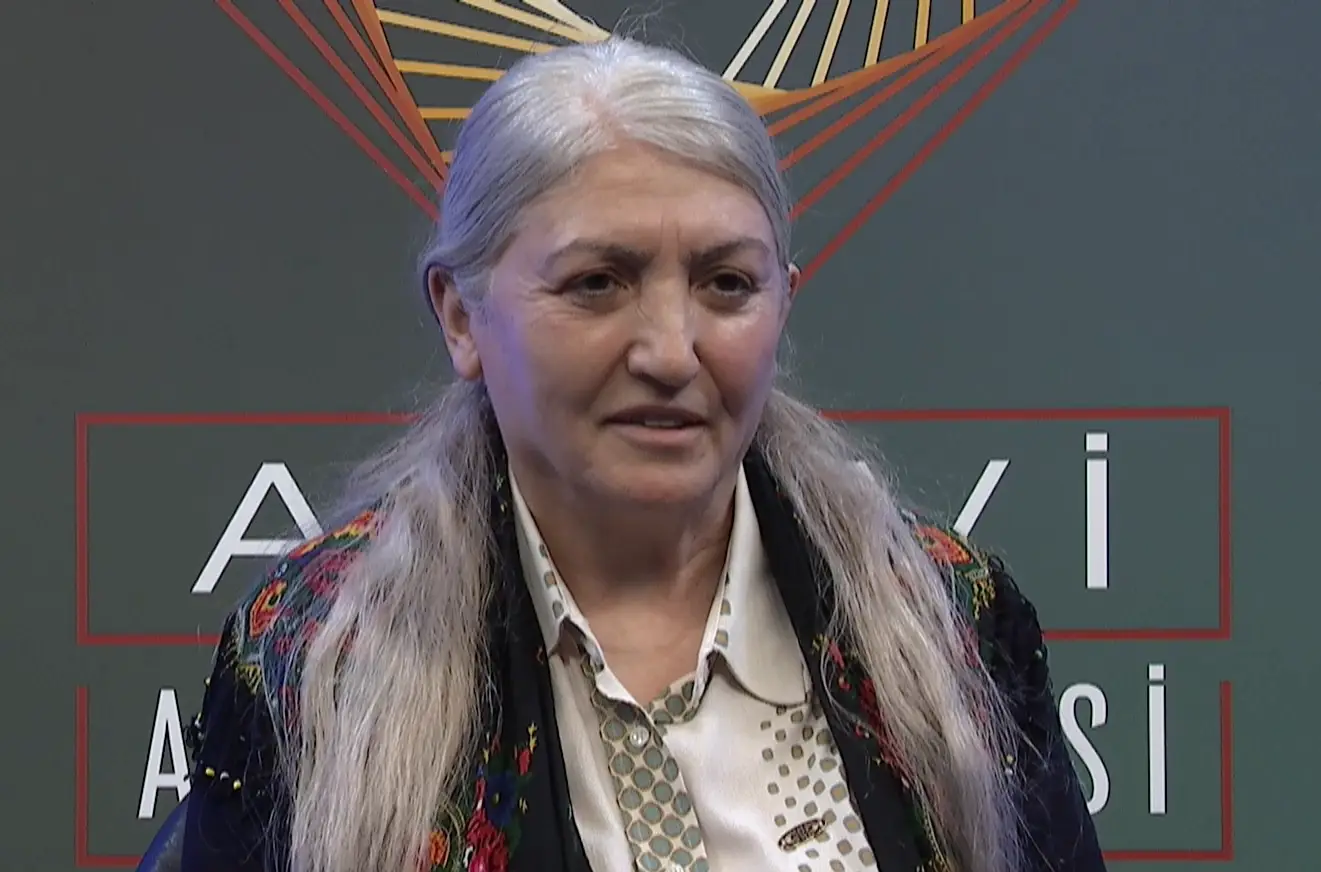
In this video, Ana Didar Cenan presents an internal and detailed account of the services provided by Ocak households to talips in Dersim Alevism. The ways in which Ocak households receive talips, establish relations with them within their own households, and conduct these relations according to specific social and moral principles are discussed in the context of rural Dersim life, which has largely disappeared today. These narratives carry significant ethnographic value, as they document the internal workings of a lost social world.
Ana Didar Cenan explains the institutions of pirship and seyitship in the Raa Haqi belief through the service-based relations these institutions establish with talips. Ocak households are described not only as structures providing religious guidance, but also as central spaces for shelter, sharing, mediation, and the maintenance of social order. These relations with talips are not based on hierarchical authority, but on mutual rızalık, labor, and service.
The video also examines in detail the relations between Ocaks, pir–mürşit bonds, and reciprocal ritual practices. Ocak households visiting other Ocaks as meyman (guests), just like talips, are presented as important indicators of inter-Ocak solidarity and continuity. In this context, the narratives shared about the shrine/jiare of Sultan Hıdır (Üryan Hıdır) in Zeve village of Pertek make visible the tradition of inter-Ocak visits and the central role of sacred places in these relations.
In Ana Didar Cenan’s narration, the role of women—especially analars—within Ocak households occupies a special place. Analars are described not only as those who carry out labor-intensive daily tasks, but also as foundational actors who are respected for their wisdom, actively involved in resolving conflicts among talips, and attentive to maintaining social balance. This narration offers a strong internal testimony to the fact that there is no clergy in Alevism and that there cannot be one. The structure of Ocak households, which serve talips and share burdens with them, clearly reveals how demanding and labor-intensive the paths of pirship and analık are.
These narratives, conveyed partly in Kurmanci, make visible the historical depth, ethical framework, and social functions of Ocak–talip relations in Dersim Alevism (Raa Haqi) through their own language and concepts. The video constitutes a highly valuable oral history record documenting how these service and relational networks—now largely dissolved—once formed the foundation of Alevi belief and social order.
This recording was made on 6–7 December 2025 at the CAN TV studios in Cologne, Germany, within the oral history and visual archive project of the Alevi Encyclopedia, as part of the “From the Voices of the Path Leaders” series.
Ana Didar Cenan explains the institutions of pirship and seyitship in the Raa Haqi belief through the service-based relations these institutions establish with talips. Ocak households are described not only as structures providing religious guidance, but also as central spaces for shelter, sharing, mediation, and the maintenance of social order. These relations with talips are not based on hierarchical authority, but on mutual rızalık, labor, and service.
The video also examines in detail the relations between Ocaks, pir–mürşit bonds, and reciprocal ritual practices. Ocak households visiting other Ocaks as meyman (guests), just like talips, are presented as important indicators of inter-Ocak solidarity and continuity. In this context, the narratives shared about the shrine/jiare of Sultan Hıdır (Üryan Hıdır) in Zeve village of Pertek make visible the tradition of inter-Ocak visits and the central role of sacred places in these relations.
In Ana Didar Cenan’s narration, the role of women—especially analars—within Ocak households occupies a special place. Analars are described not only as those who carry out labor-intensive daily tasks, but also as foundational actors who are respected for their wisdom, actively involved in resolving conflicts among talips, and attentive to maintaining social balance. This narration offers a strong internal testimony to the fact that there is no clergy in Alevism and that there cannot be one. The structure of Ocak households, which serve talips and share burdens with them, clearly reveals how demanding and labor-intensive the paths of pirship and analık are.
These narratives, conveyed partly in Kurmanci, make visible the historical depth, ethical framework, and social functions of Ocak–talip relations in Dersim Alevism (Raa Haqi) through their own language and concepts. The video constitutes a highly valuable oral history record documenting how these service and relational networks—now largely dissolved—once formed the foundation of Alevi belief and social order.
This recording was made on 6–7 December 2025 at the CAN TV studios in Cologne, Germany, within the oral history and visual archive project of the Alevi Encyclopedia, as part of the “From the Voices of the Path Leaders” series.
Interviewer
- Dr. Ahmet Kerim Gültekin