Matem Ayı, Karbala, Resistance, and Alevi Uprisings – Pir Ecevit Emre
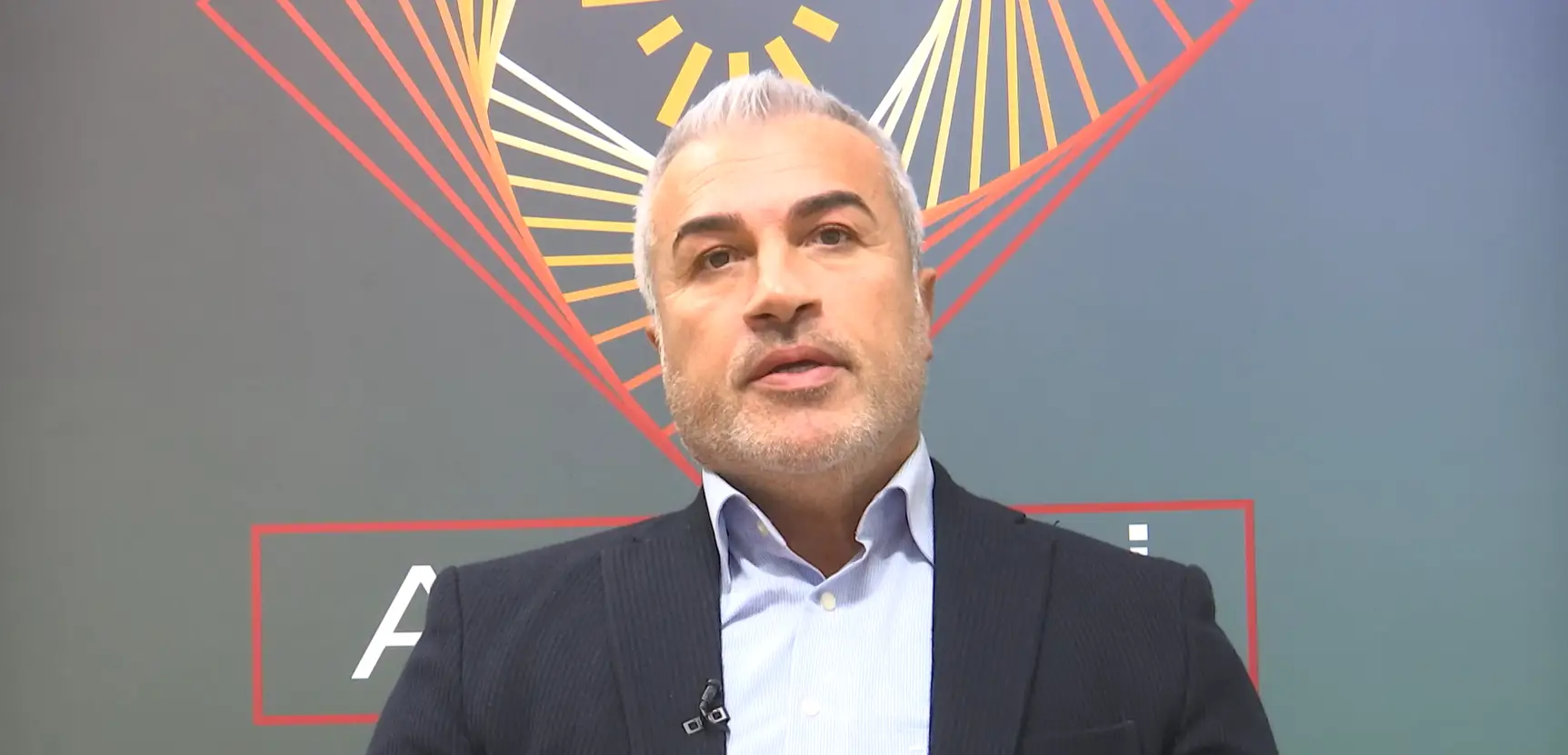
In this video, Pir Ecevit Emre examines the concept of the “month of mourning” (matem ayı) and practices of lamentation in Alevism through the historical, sociological, and theological dimensions of the Karbala event. He explains in detail how the massacre of Karbala, which took place during the month of Muharram, is understood within the Alevi belief world and how this event has acquired continuity in the collective memory of Alevi communities throughout history.
The narrative emphasizes that Alevism encompasses multiple sürek (paths/traditions), each shaped by its own historical and cultural context. Accordingly, the month of mourning, its rituals, duration, and forms of observance are experienced differently across Alevi communities. Pir Ecevit Emre sheds light on the origins of these differences, demonstrating that mourning practices in Alevism are not uniform but rather multi-layered and deeply intertwined with historical experience.
The video offers a detailed discussion of rituals associated with the month of mourning, including the Muharram fast and the Twelve Imams fast. Practices such as abstaining from drinking water, refraining from eating meat, avoiding entertainment, suspending weddings and communal celebrations, and holding evening gatherings and narratives make visible both the individual and collective dimensions of mourning. Pir stresses that these rituals are maintained not merely to commemorate a past event, but to sustain an awareness of justice, rights, and the condition of the oppressed.
Pir Ecevit Emre situates Karbala within a broader framework of historical continuity by relating it to similar experiences endured by Alevis in subsequent centuries. In this context, he refers to the statement “We left fear in Karbala,” attributed to Hüseyin İnan—one of the revolutionary leaders executed alongside Deniz Gezmiş and Yusuf Aslan—arguing that the memory of Karbala constitutes a line of resistance and justice for Dersim Alevis, extending from Seyit Rıza to Hüseyin İnan.
The video also addresses the Sivas Massacre of 1993, discussing how practices such as the burning of people accompanied by tekbir chants resonate with earlier pogroms and massacres against Alevis throughout history. Pir emphasizes that the month of mourning is observed not only for those who lost their lives in Karbala, but also for all victims of Alevi massacres and pogroms across history. Contemporary examples, including massacres of Alevis in Syria, are referenced to underline that this collective memory remains alive today.
According to Pir Ecevit Emre, Karbala represents not merely a tragedy in Alevism, but a historical threshold symbolizing the struggle for justice, the cause of the oppressed, and resistance aligned with Hak. In this respect, the video situates the month of mourning and practices of lamentation within the political, social, and ethical continuities of Alevi history, offering highly significant historical and ethnographic insights.
This recording was made on 6–7 December 2025 at the CAN TV studios in Cologne, Germany, as part of the Alevi Encyclopedia’s oral history and visual archive project, within the “From the Words of the Path’s Guides” series.
The narrative emphasizes that Alevism encompasses multiple sürek (paths/traditions), each shaped by its own historical and cultural context. Accordingly, the month of mourning, its rituals, duration, and forms of observance are experienced differently across Alevi communities. Pir Ecevit Emre sheds light on the origins of these differences, demonstrating that mourning practices in Alevism are not uniform but rather multi-layered and deeply intertwined with historical experience.
The video offers a detailed discussion of rituals associated with the month of mourning, including the Muharram fast and the Twelve Imams fast. Practices such as abstaining from drinking water, refraining from eating meat, avoiding entertainment, suspending weddings and communal celebrations, and holding evening gatherings and narratives make visible both the individual and collective dimensions of mourning. Pir stresses that these rituals are maintained not merely to commemorate a past event, but to sustain an awareness of justice, rights, and the condition of the oppressed.
Pir Ecevit Emre situates Karbala within a broader framework of historical continuity by relating it to similar experiences endured by Alevis in subsequent centuries. In this context, he refers to the statement “We left fear in Karbala,” attributed to Hüseyin İnan—one of the revolutionary leaders executed alongside Deniz Gezmiş and Yusuf Aslan—arguing that the memory of Karbala constitutes a line of resistance and justice for Dersim Alevis, extending from Seyit Rıza to Hüseyin İnan.
The video also addresses the Sivas Massacre of 1993, discussing how practices such as the burning of people accompanied by tekbir chants resonate with earlier pogroms and massacres against Alevis throughout history. Pir emphasizes that the month of mourning is observed not only for those who lost their lives in Karbala, but also for all victims of Alevi massacres and pogroms across history. Contemporary examples, including massacres of Alevis in Syria, are referenced to underline that this collective memory remains alive today.
According to Pir Ecevit Emre, Karbala represents not merely a tragedy in Alevism, but a historical threshold symbolizing the struggle for justice, the cause of the oppressed, and resistance aligned with Hak. In this respect, the video situates the month of mourning and practices of lamentation within the political, social, and ethical continuities of Alevi history, offering highly significant historical and ethnographic insights.
This recording was made on 6–7 December 2025 at the CAN TV studios in Cologne, Germany, as part of the Alevi Encyclopedia’s oral history and visual archive project, within the “From the Words of the Path’s Guides” series.
Interviewer
- Dr. Ahmet Kerim Gültekin