İkrar, Rızalık, Nature and Alevism, Domestic and Wild Animals, Rıza Şehri, and Lokma – Pir Ecevit Emre
In this video, Pir Ecevit Emre offers a comprehensive discussion of the concepts of ikrar and rızalık, which occupy a central position in Alevi philosophy and cosmology. He emphasizes that these two concepts constitute not only the ethical foundation of the Alevi path, but also its cosmological basis, arguing that existence in Alevism gains meaning along the axis of ikrar and rızalık. The narrative is deepened through deyiş attributed to Büryani Baba.
Pir Ecevit Emre explains that within the Alevi belief world, all beings—living and non-living, including humans, animals, plants, insects, and batın beings—exist within an order grounded in ikrar and rızalık. In this context, the decisive importance of the concept of Hak is underlined: without rızalık, the path cannot be walked and religious practice cannot be established.
One of the key conceptual focal points of the video is the narrative of Rıza Şehri. The Pir describes Rıza Şehri as a utopian condition in which truth establishes a just and balanced order among all beings, and he elaborates on how this narrative relates to ideals of ethics, social peace, and coexistence in Alevi thought. It is emphasized that the principle of rızalık applies not only to relations among humans, but also to relationships with nature, animals, and all living beings.
Pir Ecevit Emre further states that religious rituals in everyday Alevi life are based on the principle of seeking rızalık: without consent, neither a cem can be conducted, nor can a ritual be performed, nor can social harmony be sustained. Rızalık is presented as a holistic principle that also encompasses respect for nature and living beings, requiring conduct that honors the boundaries and truth of every entity.
Within this framework, the Pir refers to Hewtemal rituals to illustrate the relationship between nature and construction, explaining the deep connection between calendrical rituals and nature in Dersim Alevism (Raa Haqi). Narratives transmitted from his grandmother and great-grandmother during visits to Turkey render this relationship visible in everyday practice. One particularly striking example concerns the offering of niyaz to a village dog, described as hak lokması, powerfully illustrating an order of rızalık established among all beings. The grandmother’s statement, “This is hak lokması,” concretely expresses the understanding that every being is a manifestation of truth.
The narrative also addresses practices such as leaving lokma for nature and wildlife, blood and bloodless offerings, and sharing lokma with both wild and domestic animals. These practices are presented as distinctive features of Dersim Alevism (Raa Haqi), offering highly valuable ethnographic insights into how human–nature–living-being relations are structured on the basis of rızalık.
In this respect, the video approaches ikrar and rızalık in Alevism not as abstract principles, but as a fundamental understanding of truth that organizes relationships with nature, society, and all beings, providing highly significant oral history and ethnographic material.
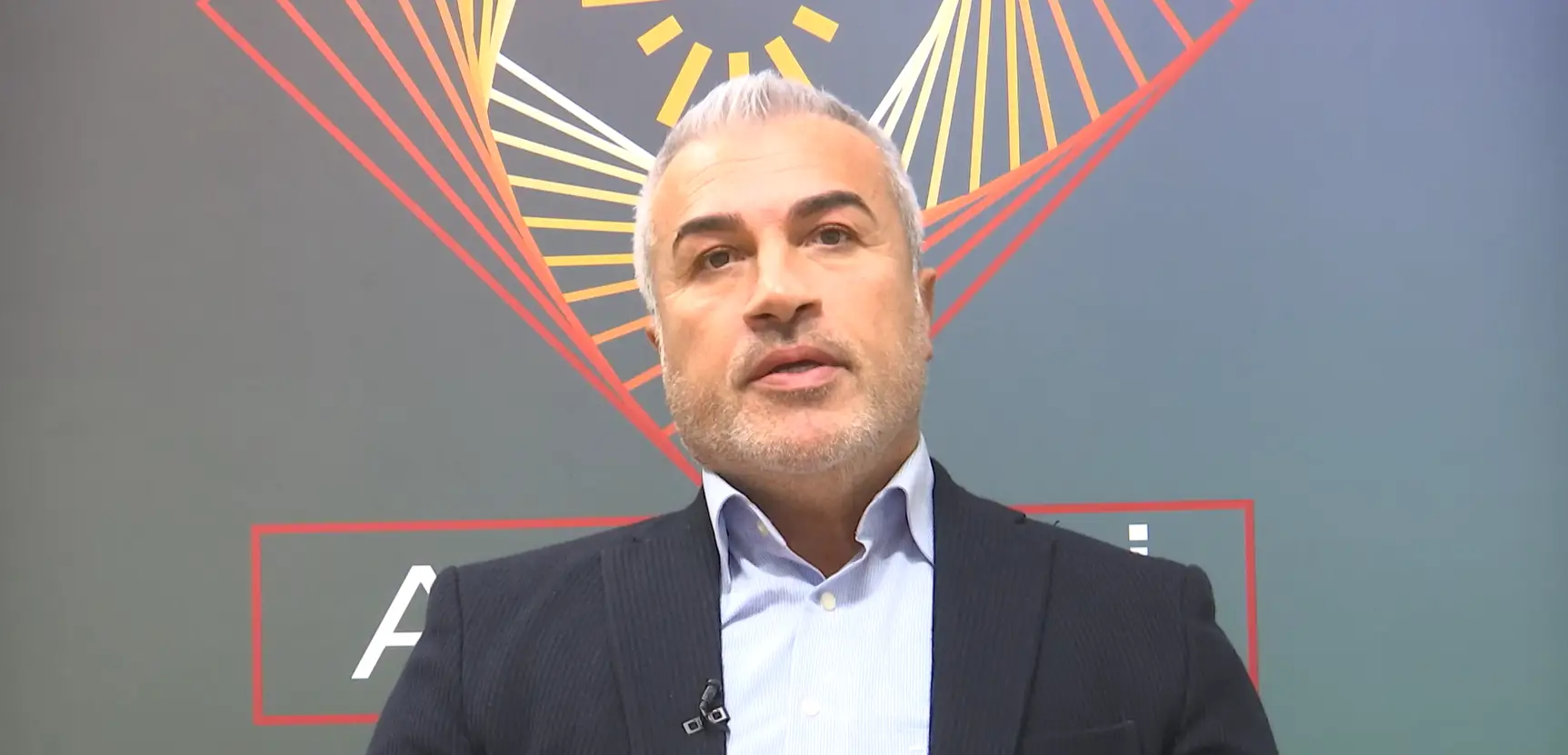
This recording was made on 6–7 December 2025 at the CAN TV studios in Cologne, Germany, as part of the Alevi Encyclopedia’s oral history and visual archive project, within the “From the Words of the Path’s Guides” series.
Pir Ecevit Emre explains that within the Alevi belief world, all beings—living and non-living, including humans, animals, plants, insects, and batın beings—exist within an order grounded in ikrar and rızalık. In this context, the decisive importance of the concept of Hak is underlined: without rızalık, the path cannot be walked and religious practice cannot be established.
One of the key conceptual focal points of the video is the narrative of Rıza Şehri. The Pir describes Rıza Şehri as a utopian condition in which truth establishes a just and balanced order among all beings, and he elaborates on how this narrative relates to ideals of ethics, social peace, and coexistence in Alevi thought. It is emphasized that the principle of rızalık applies not only to relations among humans, but also to relationships with nature, animals, and all living beings.
Pir Ecevit Emre further states that religious rituals in everyday Alevi life are based on the principle of seeking rızalık: without consent, neither a cem can be conducted, nor can a ritual be performed, nor can social harmony be sustained. Rızalık is presented as a holistic principle that also encompasses respect for nature and living beings, requiring conduct that honors the boundaries and truth of every entity.
Within this framework, the Pir refers to Hewtemal rituals to illustrate the relationship between nature and construction, explaining the deep connection between calendrical rituals and nature in Dersim Alevism (Raa Haqi). Narratives transmitted from his grandmother and great-grandmother during visits to Turkey render this relationship visible in everyday practice. One particularly striking example concerns the offering of niyaz to a village dog, described as hak lokması, powerfully illustrating an order of rızalık established among all beings. The grandmother’s statement, “This is hak lokması,” concretely expresses the understanding that every being is a manifestation of truth.
The narrative also addresses practices such as leaving lokma for nature and wildlife, blood and bloodless offerings, and sharing lokma with both wild and domestic animals. These practices are presented as distinctive features of Dersim Alevism (Raa Haqi), offering highly valuable ethnographic insights into how human–nature–living-being relations are structured on the basis of rızalık.
In this respect, the video approaches ikrar and rızalık in Alevism not as abstract principles, but as a fundamental understanding of truth that organizes relationships with nature, society, and all beings, providing highly significant oral history and ethnographic material.
This recording was made on 6–7 December 2025 at the CAN TV studios in Cologne, Germany, as part of the Alevi Encyclopedia’s oral history and visual archive project, within the “From the Words of the Path’s Guides” series.
Interviewer
- Dr. Ahmet Kerim Gültekin