Oral Culture, Deyiş, Nefes, Gülbenk, Mersiye, Duvaz, and Alevi Philosophy & Cosmology – Pir Ecevit Emre
In this video, Pir Ecevit Emre offers a comprehensive discussion of the central role of oral tradition in Alevism and explains how Alevism, in its entirety, continues to exist as an oral cultural and religious tradition. He emphasizes that within the Alevi belief world, knowledge, teaching, and collective memory are transmitted primarily through oral forms from generation to generation.
The narrative provides a detailed explanation of the historical and functional significance of oral forms such as deyiş, nefes, gülbenk, mersiye, and duvaz. Using expressions such as “Alevi deyiş are memory” and “nefes are our truth,” Pir Ecevit Emre underlines that these oral forms carry Alevi philosophy, ethics, theology, cosmology, and social norms as an integrated whole. In this sense, deyiş and nefes are presented as fundamental modes of knowledge through which Alevi collective reason and wisdom are conveyed.
For this reason, the Pir recalls that deyiş and nefes are sometimes referred to in the Alevi tradition as the “speaking Qur’an.” He explains that Alevis believe these oral texts contain batın meanings and that understanding them requires moving beyond their zahir level to grasp their essence. Drawing on deyiş by Daimî, Pir Ecevit Emre demonstrates step by step how this batın world of meaning can be interpreted, making this hermeneutic approach visible through concrete examples.
The video also addresses the spiritual leaders and poets (yol uluları) who shaped the Alevi oral tradition and left a powerful legacy spanning centuries. Figures such as Pir Sultan Abdal, Şah Hatayi, Kul Himmet, Virani, Nesimi, Yemini, Kaygusuz Abdal, Yunus Emre, Mahzuni Şerif, Âşık Sulari, and many others are highlighted as foundational pillars of Alevi collective memory. Their legacy transmits not only lived experiences and historical trajectories, but also Alevi theology, cosmology, ethics, and moral understanding.
In this respect, the video offers an important perspective for understanding how Alevi collective reason, memory, and emotional worlds are formed, transmitted, and enacted in everyday life. By making visible the constitutive role of oral tradition in Alevism, the narrative provides highly valuable ethnographic and intellectual insights.
This recording was made on 6–7 December 2025 at the CAN TV studios in Cologne, Germany, as part of the Alevi Encyclopedia’s oral history and visual archive project, within the “From the Words of the Path’s Guides” series.
The narrative provides a detailed explanation of the historical and functional significance of oral forms such as deyiş, nefes, gülbenk, mersiye, and duvaz. Using expressions such as “Alevi deyiş are memory” and “nefes are our truth,” Pir Ecevit Emre underlines that these oral forms carry Alevi philosophy, ethics, theology, cosmology, and social norms as an integrated whole. In this sense, deyiş and nefes are presented as fundamental modes of knowledge through which Alevi collective reason and wisdom are conveyed.
For this reason, the Pir recalls that deyiş and nefes are sometimes referred to in the Alevi tradition as the “speaking Qur’an.” He explains that Alevis believe these oral texts contain batın meanings and that understanding them requires moving beyond their zahir level to grasp their essence. Drawing on deyiş by Daimî, Pir Ecevit Emre demonstrates step by step how this batın world of meaning can be interpreted, making this hermeneutic approach visible through concrete examples.
The video also addresses the spiritual leaders and poets (yol uluları) who shaped the Alevi oral tradition and left a powerful legacy spanning centuries. Figures such as Pir Sultan Abdal, Şah Hatayi, Kul Himmet, Virani, Nesimi, Yemini, Kaygusuz Abdal, Yunus Emre, Mahzuni Şerif, Âşık Sulari, and many others are highlighted as foundational pillars of Alevi collective memory. Their legacy transmits not only lived experiences and historical trajectories, but also Alevi theology, cosmology, ethics, and moral understanding.
In this respect, the video offers an important perspective for understanding how Alevi collective reason, memory, and emotional worlds are formed, transmitted, and enacted in everyday life. By making visible the constitutive role of oral tradition in Alevism, the narrative provides highly valuable ethnographic and intellectual insights.
This recording was made on 6–7 December 2025 at the CAN TV studios in Cologne, Germany, as part of the Alevi Encyclopedia’s oral history and visual archive project, within the “From the Words of the Path’s Guides” series.
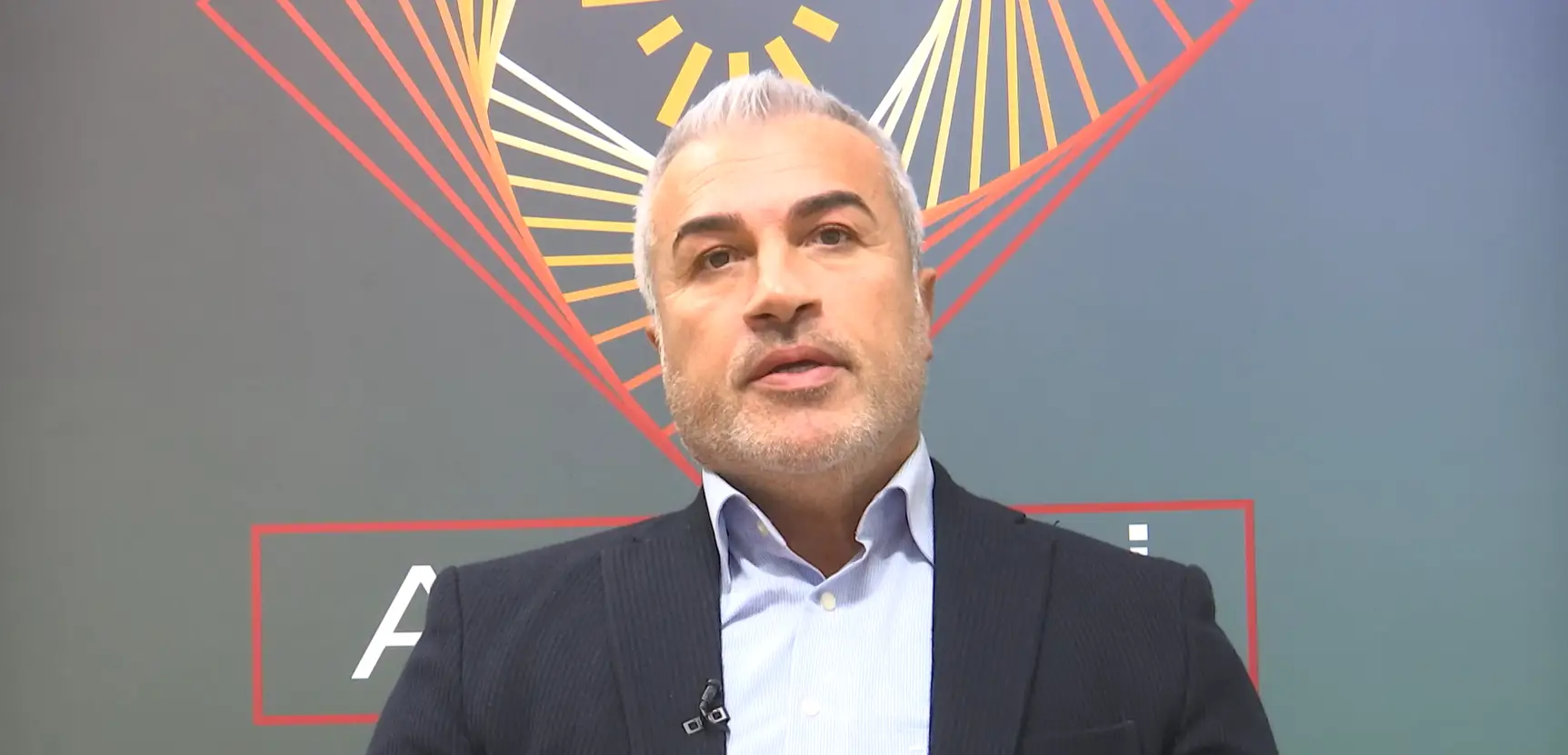
Interviewer
- Dr. Ahmet Kerim Gültekin