Kurban in Alevism
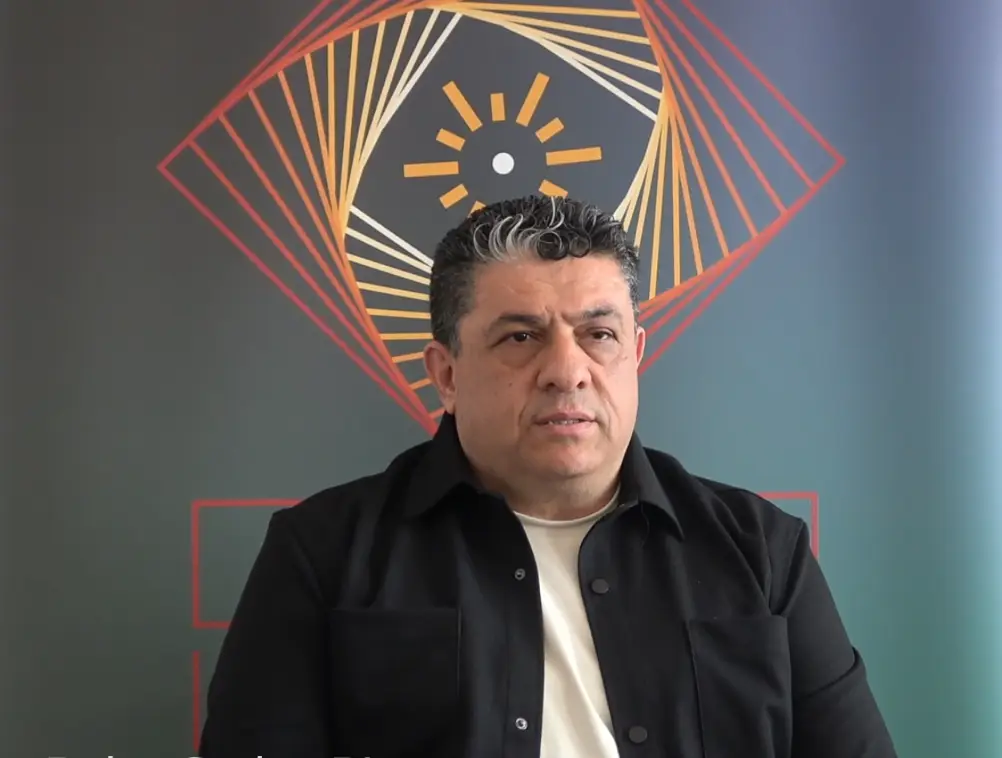
In this video, Baba Sedat Bican discusses the concept of kurban in Alevism through its religious, symbolic, and ritual dimensions. He explains that, within the Alevi tradition, kurban does not simply mean the slaughter of an animal or the shedding of blood. At its core, it signifies the individual’s dedication of oneself to the Yol, the reformation of the self within the Yol, and the commitment, through ikrar, to the pursuit of truth. In this sense, kurban is understood less as an external ritual and more as a process through which a person transforms their nefs, identity, and existence according to the moral principles of the Yol.
Bican notes that both blood sacrifices and non-blood sacrifices exist in Alevism and that lokma is regarded as one of the most important forms of non-blood sacrifice. The practice of offering the first portion of the sacrifice to nature, wild animals, and other living beings is presented as an important expression of the relationship between humans and non-human beings, as well as of sharing and continuity among all forms of life. In this context, kurban does not signify taking life; rather, it means attributing sacred value to that living being and repositioning it within the symbolic universe of the Yol.
The video further emphasises that an understanding of kurban without taking life is entirely possible within Alevism. This perspective is explained through gülbenks and ritual narratives. Through the example of kurban, Baba Sedat Bican illustrates both the breadth of Alevi philosophy and its openness to change and transformation while maintaining its core principles and the fundamental values of the Yol. The understanding that the person who gives ikrar is themselves regarded as a kurban demonstrates that the deepest meaning of sacrifice in Alevism lies in dedicating oneself to the Yol, rıza, truth, and social responsibility.
This recording was made on 18 April 2026 at Alevitische Gemeinde und Cemevi e.V. (Lange Streng 12, 65462 Ginsheim-Gustavsburg), near Frankfurt, as part of the “In the Words of the Spiritual Guides” series of the Alevi Encyclopedia.
Bican notes that both blood sacrifices and non-blood sacrifices exist in Alevism and that lokma is regarded as one of the most important forms of non-blood sacrifice. The practice of offering the first portion of the sacrifice to nature, wild animals, and other living beings is presented as an important expression of the relationship between humans and non-human beings, as well as of sharing and continuity among all forms of life. In this context, kurban does not signify taking life; rather, it means attributing sacred value to that living being and repositioning it within the symbolic universe of the Yol.
The video further emphasises that an understanding of kurban without taking life is entirely possible within Alevism. This perspective is explained through gülbenks and ritual narratives. Through the example of kurban, Baba Sedat Bican illustrates both the breadth of Alevi philosophy and its openness to change and transformation while maintaining its core principles and the fundamental values of the Yol. The understanding that the person who gives ikrar is themselves regarded as a kurban demonstrates that the deepest meaning of sacrifice in Alevism lies in dedicating oneself to the Yol, rıza, truth, and social responsibility.
This recording was made on 18 April 2026 at Alevitische Gemeinde und Cemevi e.V. (Lange Streng 12, 65462 Ginsheim-Gustavsburg), near Frankfurt, as part of the “In the Words of the Spiritual Guides” series of the Alevi Encyclopedia.
Interviewer
- Dr. Ahmet Kerim Gültekin