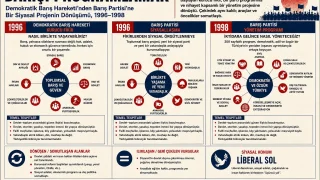
Demokratik Barış Hareketi (The Democratic Peace Movement) and Barış Partisi (the Peace Party) (1995–1999): The Quest for Representation in Alevi Politics
The Democratic Peace Movement (Demokratik Barış Hareketi, DBH) and its successor, the Peace Party (Barış Partisi, BP), emerged in the mid-1990s, when Alevis were becoming...

Sivas Massacre (2 July 1993)
The Madımak Massacre, which took place during the Pir Sultan Abdal Cultural Festival in Sivas on 2 July 1993 and claimed the lives of thirty-nine...
No blog posts found for this author.
No lectures found for this author.
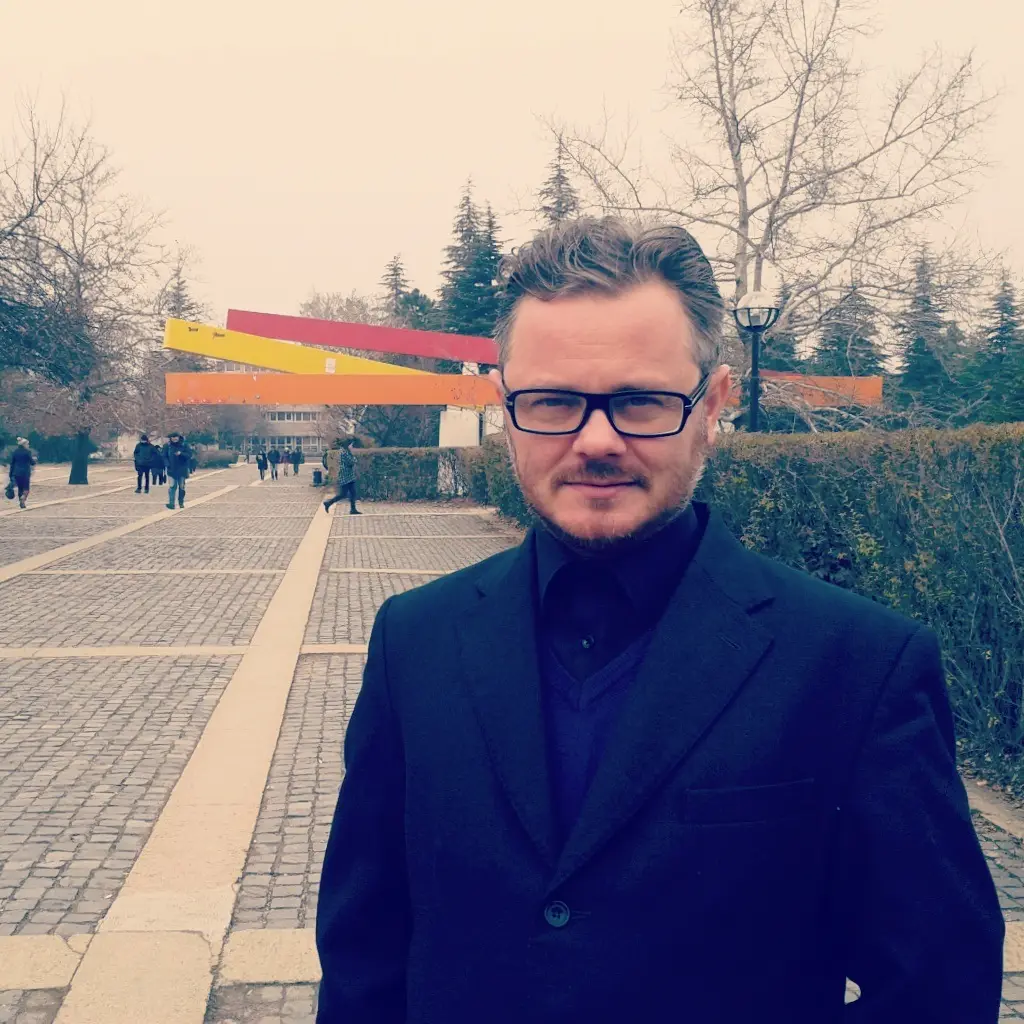
Dr. Besim Can Zırh
Dr. Besim Can ZIRH, PhD, is Assistant Professor of Sociology at Middle East Technical University (METU), Ankara. He received his PhD in Anthropology from University College London (UCL) in 2012, following undergraduate training in Sociology and graduate study in Political Science at METU. His research lies at the intersection of transnational migration, diaspora studies, the anthropology and sociology of Alevism, and qualitative and ethnographic methodology.
Dr. ZIRH’s work has particularly examined the transformation of Alevi communities through migration between Türkiye and Europe, addressing questions of transnational belonging, political mobilisation, recognition, funerary practices, and the institutionalisation of migrant social life. His research has appeared in Ethnic and Racial Studies and New Perspectives on Turkey, and numerous edited volumes, including The Routledge Handbook of Turkey’s Diasporas. Alongside this long-standing research agenda, his recent work addresses high-skilled migration and international student mobility, migrant and refugee experiences, diaspora politics and external voting.
Dr. ZIRH has held research and teaching positions or fellowships at universities including Bielefeld, Augsburg, Bielefeld, Duisburg-Essen, Humboldt, and Oslo, and has participated in internationally funded research and academic exchange programmes. His academic work is complemented by extensive experience in applied social research and civil-society collaboration, including research design, qualitative fieldwork, project coordination, and policy-oriented reporting for national and international organisations. He has also been actively involved in the Sociological Association of Turkey and the Association for Migration Research (GAR). Across these activities, his work combines ethnographic sensitivity with a sustained interest in how migration, mobility, institutions, and political transformations reshape identities, inequalities, and forms of belonging across national borders.