Transnational Migration, Settlement and Suicide: A Case Study of Second-Generation Alevi-Kurdish Young Men in London
Lecture Details
Lecturer
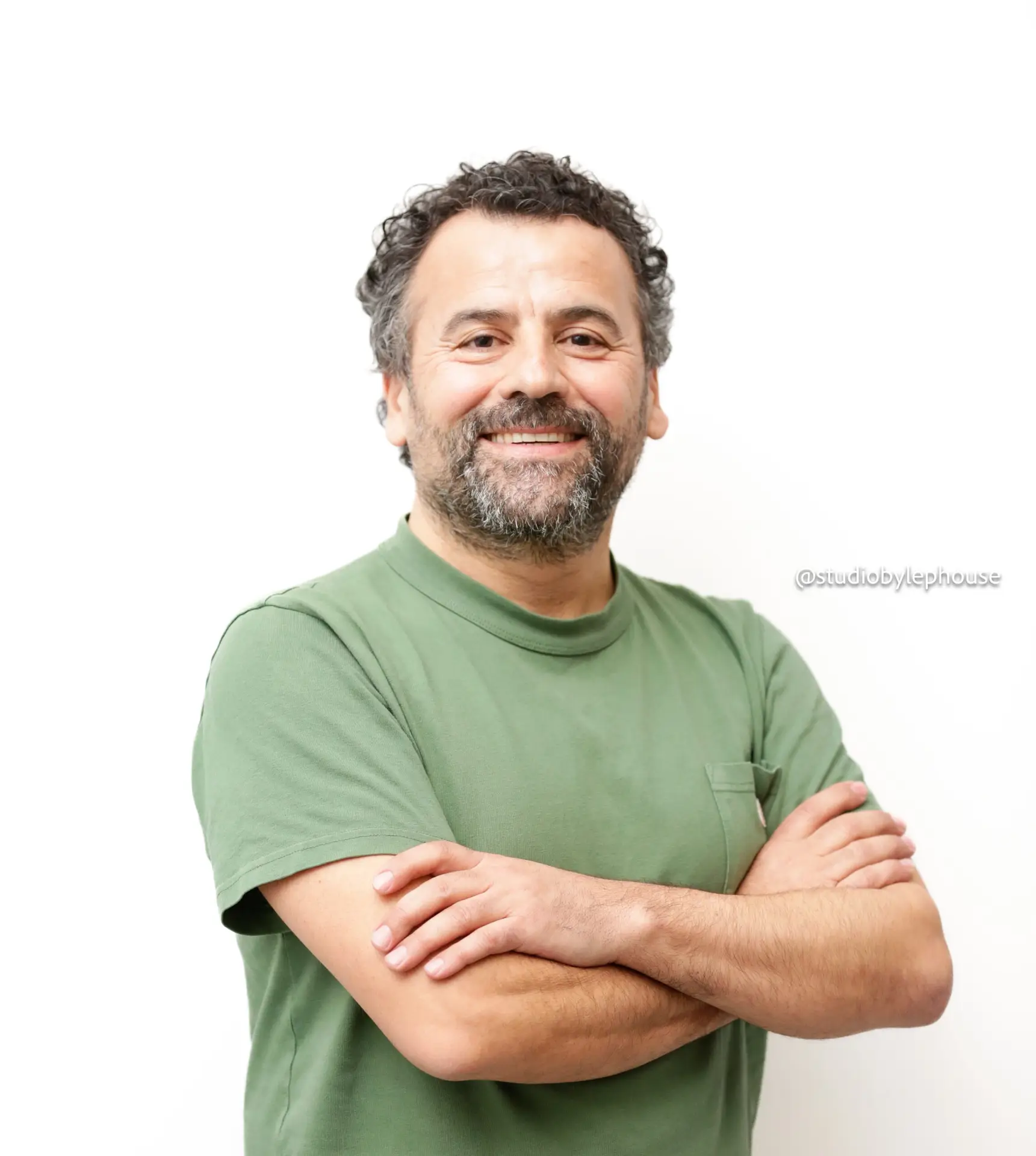
I am a Reader (Docent) in Sociology at the University of Westminster, specialising in sociological theory, the sociology of religion, suicide and transnational migration. I obtained my PhD from the University of Essex, where my research focused on suicide within the Alevi Kurdish community in London. My work on suicide among Alevi-Kurdish youth was awarded the British Journal of Sociology Prize. Since 2010, I have collaborated with Dr Celia Jenkins to explore identity issues within the London Alevi community. Together, we have partnered with the British Alevi Federation to design and integrate lessons on Alevism into the Religious Education Curriculum in British schools. Our joint efforts have significantly advanced the field of UK Alevism Studies through various publications and the organisation of Biennial International Conferences on Alevism Studies at the University of Westminster. Additionally, I serve on the Scientific Advisory Board of the Alevi Encyclopaedia.
Lecture Summary
This lecture offers a sociological explanation for the high rates of suicide among second-generation Alevi-Kurdish young men in London. I will begin with a brief overview of the social characteristics of the Alevi Kurdish community prior to their migration to the UK. Employing segmented assimilation theory, I will compare the integration and assimilation patterns of first- and second-generation Alevi-Kurds in London, placing youth suicide within a broader socio-cultural context. I will explain the sense of disaffection experienced by the young men, which triggered these suicides.
By the end of this lecture, the audience should be able to:
Explore the concept of community cohesion and the prevalence of suicide within Alevi communities.
Examine the connections among Alevi migration, settlement patterns, and generational experiences.
Understand the factors leading to second-generation Alevi young men dying by suicide.
Key Concepts
Lecture Transcript
Introduction
As an Alevi sociologist, I am interested in the social context of the community to understand the everyday life of the members. When I started my PhD in 2009, I was aware of the rising number of second-generation Alevi young men dying by suicide in London and chose to focus my doctoral research on this problem. By 2014, around fifty cases were reported by the Alevi community, which was in a state of shock because young male suicides had never been an issue previously, either in Türkiye or the UK. Whilst suicide is seen as an intensely personal act in which the focus is on the mental state of the individual at the time, the high number of incidents in the Alevi community calls for a sociological perspective. A sociological explanation of suicide locates the personal biographies of those who died by suicide within the broader social conditions of a community. In the case of second-generation young male Alevi Kurds, their deaths by suicide cannot be understood without locating the problem within the context of migration that brought changes to the social stability of the community. Like many other community members, I was desperate to understand the social causes of this new phenomenon through a sociological framework situated within the contexts of migration, education, work, and relationship status, which contributed to these deaths.
This lecture is based on ethnographic data collected for my PhD between 2009 and 2013. It offers a sociological explanation for the high number of suicides among second-generation Alevi-Kurdish young men in London. By second generation, I mean children born in the UK or who received all or most of their primary and secondary education there. I will begin with a brief explanation of the relationship between suicide and migration and provide an overview of the social characteristics of the Alevi Kurdish community before they migrated to the UK, and how these were maintained and changed in the context of settlement. Employing segmented assimilation theory, I will compare the patterns of adaptation of first- and second-generation Alevi-Kurds in London to place youth suicide within a broader socio-cultural context. I will explain the sense of disaffection and marginalisation experienced by the young men in key areas of their lives, such as education, work and relationships, which triggered these suicides. I will conclude with reflections on community responses to the problem.
Suicide and migration
Research on suicide and migration suggests that there is a close relationship between suicide rates and immigration, as migrant communities generally experience a higher incidence of suicide compared to non-migrant communities. Migration disrupts established social ties, which, in turn, affects the social cohesion of immigrant groups. This disruption can weaken social bonds and create a sense of disconnection among the individual members, a phenomenon Durkheim (a 19th-century sociologist) described as anomie. For Durkheim, individuals are kept in balance by society’s integrative and regulatory mechanisms. The mechanism of integration directs individuals to develop a commitment to the group’s values and social norms, while the mechanism of regulation defines specific goals and the means to attain them. The integration and regulation of an individual are shaped by institutions such as the family, religion, and the labour market, which ideally function harmoniously. If not, they would fail to fulfil their regulative and integrative roles, and this would lead to the emergence of a state of anomie that produces pathologies such as high suicide rates. More precisely, he identified anomie as a state that fosters isolation, a lack of norms, and a diminished understanding of what is achievable, all of which significantly contribute to suicide risk. Since the Alevi community in the UK is a migrant community, it is necessary to consider the adaptation patterns they followed in the context of settlement, as this will influence their suicide risk too. It is essential first to consider the changing social conditions the first generation encountered during their migration from Turkey to the UK as a context for understanding the challenges faced by second-generation Alevi Kurds.
Context of Departure
In Türkiye, with insignificant suicide rates, suicide was not an issue for the Alevis. Alevi Kurds have endured a long history of what I term ‘persecuted exclusion’, dating back to the Ottoman Empire, persisting through the Republican era and marked by several massacres, including those at Dersim in 1938, Maraş in 1978, and Sivas in 1993, to name a few. The Turkish state’s efforts to forge a national identity centred on Turkishness and Sunni Islam meant Alevi Kurds were a ‘twice minority’, facing both Sunnification on religious grounds and Turkification on ethnic grounds. Due to their fear of persecution, the Alevis had formed communities in isolated rural areas, with strong religious and cultural institutions that not only integrated and regulated individuals but also served as a means of resisting assimilation, affirming their identity and providing spaces for self-worth and support for centuries. Most families came from rural communities with extended family and kinship networks that held the older and younger generations together, helping to internalise the collective values of the society. Economic activity was centred on agricultural production, with economic life stable, clear tasks, and little anomie.
It is these harmonious relationships between these institutions that acted as a protector and the underlying factors for the low rates of suicide.
UK First Generation adaptation patterns
The absence of suicide among first-generation Alevi Kurds highlights the strong social cohesion that was evident in Turkey and emerging within their community as they settled in the UK. Since migrating as asylum seekers from 1989 onwards, many Alevi Kurds have made London their home, settling in areas where others from their village or town have settled. In this way, the first generation experienced what is termed ‘segregated integration,’ allowing them to maintain deep ties to their families and homeland while also adapting to their new surroundings. They formed a cohesive community within tight-knit neighbourhoods, finding work in local textile sweatshops and other labour-intensive roles, focusing on earning money to support their families in both the UK and Turkey. A key source of community was their mobilisation in Turkish-Kurdish-speaking community centres, which helped sustain their social, cultural, and religious traditions and gave them a sense of belonging. All of these helped to reduce feelings of disconnection and anomie, reducing suicide risk for the first generation.
UK Second-generation youth disaffection
It is important to understand what was different for the second generation, such that the social structures and the institutions that had protected the first generation from the risk of suicide had ceased to function for some of the second generation and young men in particular. As segmented assimilation theory suggests, children of migrants tend to follow different integration and assimilation trajectories than their parents. One of these trajectories, most relevant for understanding the second-generation young men’s experience, is called the ‘rainbow underclass’, a social position with a high risk of anomie and suicide. I will start from my data where I compared eight cases of deaths by suicide, looking at how their education, employment and relationship status might have directed them towards the rainbow underclass and predisposed some of them to take their own lives by suicide.
Education
As the table shows, seven out of the eight suicide cases I examined left school without any qualifications despite their parents’ high expectations. First-generation parents reported that one of their reasons for migrating to the UK was to provide their children with a good education and secure professional employment. However, achieving this was not easy for various reasons. To begin with, the first generation came from rural, working-class backgrounds and had very little education. This disadvantaged socio-economic and cultural background, together with the hardships parents faced during settlement, meant that Alevi children mostly attended schools in relatively deprived areas and mixed with native-born children from other disadvantaged ethnic minorities who had already lost faith in education. When children started failing in school, usually at the secondary level, parents were powerless to help them and often blamed their children for not working hard enough. Moreover, parents’ difficulties with the English language made them dependent on their children to interpret for them in official contexts. This led to a role reversal, as children could control the flow of information from the school to their parents from an early age. This situation gave children the power to make critical decisions about what to tell their parents when letters about school attendance or exclusions came home, which had serious consequences for their lives. This was the case for the young men who died by suicide, so that by the time their parents realised their sons were at risk of exclusion, it was already too late to change the outcome. Additionally, the young men rejected their parents’ aspirations, were more influenced by their peers, and left their parents feeling powerless to counter peer pressure, further straining their relationships. Thus, intergenerational conflict was an important factor influencing second generation suicides.
The young Alevi Kurds were not only in conflict with their parents over educational failure but came into conflict with other ethnic groups in the neighbourhood schools they attended and against whom they began to define themselves. With weakening parental influence, they largely rejected their parents’ culture and Alevi identity. They no longer defined themselves in terms of belonging to a particular community and respecting its traditions and values, but simply in opposition to other ethnic groups. In effect, their Alevi identity had largely disappeared, as none of the participants felt much attachment to, or even knowledge of, Alevi cultural and religious values, and did not participate in the community centres’ cultural or political activities. This disengagement of the youth from the community pushed them further away from the institutions of the family and ethnic community, towards greater involvement with gangs in search of money and status gained through illegitimate means. All these factors pushed them into the new rainbow underclass.
Employment
According to the table, seven of the eight young men were employed in casual work and had abandoned their education without obtaining any basic qualifications. They joined gangs mainly due to limited job opportunities. Despite failing at school, they were influenced by neoliberal values of quick success. They saw gangs as an alternative way to achieve their goals, feeling that legitimate employment options were insufficient. However, after some time, and for various reasons such as pressure from parents and relatives, fear, mistrust and a disbelief in the ability of the gang to give them the future they wanted, those who committed suicide had also begun to distance themselves from the gangs.
The culture they internalised as gang members with social practices and symbols, such as dress codes, language, tattoos, and hairstyles displayed through their bodies, made them undesirable to legitimate employers. The need for an income to pay for their expenses, together with the pressure from their parents to work, left those who were to die by suicide with no option but to start working in their parents’ shops, the family-run small businesses such as off-licences, kebab shops, and fish and chips takeaways. These jobs were despised by the second-generation AK participants as having no future prospects. The interviewees tell how the young men who had died by suicide felt that they had been ‘forced’ to work in these jobs and rejected them. They had lost not only their chance of integration into the mainstream but also into their own ethnic community through work in the ethnic labour market. Differences between the expectations of parents and their offspring regarding their employment trajectories have been identified as important factors influencing the occurrence of suicide amongst young people in other communities, and as demonstrated, were a relevant factor for the Alevi youth too.
Relationship status
The data in the table shows that most of them quarrelled with and were rejected by their girlfriends prior to their suicide, and this, for some of them, was a final tipping point in the decision to die by suicide. Within the Alevi community, there was a popular perception that the young men were ‘dying because of a girl’. Some parents blamed their sons’ girlfriends for being a bad influence and causing their death. However, it is not surprising that, having failed in many ways in education and work, the young men who died by suicide became over-dependent on their intimate relationships, relationships that were highly problematic because of the macho attitudes that the young men had developed through socialising in the gangs. The breakdown of these intimate relationships appears to have played a vital role in their suicide trajectory, largely because the breakdown was perceived as a loss of honour. Those interviewed report how the suicide victims felt frustrated when their girlfriends took the initiative to break the relationship, but the breakdown in their intimate relationships must not be seen in itself as the only reason for the suicides. Rather, for these young men, who were marginalised from both their ethnic community and mainstream society, with little integration into the labour market and now cut loose from the regulating effect gained from gang membership, the breakup of their relationship represented the loss of the last social bond with society, leaving them more prone to suicide.
Conclusion
To conclude, the social system that regulated and integrated the first generation lost its relevance for some of the second generation, particularly those young men who died by suicide. I have argued that migration is an important consideration in making sense of the second generation’s experience because it demonstrates the adaptation/integration trajectories that define the suicide risk. The Alevis in Turkey lived in tight-knit communities in remote rural areas in Turkey, united in their resistance to persecution. The first generation in the UK followed a segregated lifestyle from the mainstream but was highly integrated internally, maintaining community cohesion and balancing forces of regulation and integration effectively to protect against suicide. However, the second generation, with a different orientation towards life and the future, followed a trajectory that took some of them downward into the rainbow underclass with high levels of isolation and suicide risk, and some of the young men died by suicide in this context.
Finally, the community basis of suicide suggests a need for community-based responses and solutions. In my case, this led to collaborative work with the community, youth, and schools to counter the marginalisation and disaffection of youth by raising their visibility and fostering a sense of belonging in schools through the introduction of Alevism lessons into Religious Education classes.
PS: For further details of this community response, listen to the lecture delivered by Dr Celia Jenkins.
References & Further Reading
Cetin, Umit. 2014. Anomic Disaffection: A Sociological Study of Youth Suicide within the Alevi Kurdish Community in London. PhD diss., University of Essex.
Cetin, Umit. 2016. “Durkheim, Ethnography and Suicide: Researching Young Male Suicide in the Transnational London Alevi-Kurdish Community.” Ethnography 17, no. 2: 250–277. https://doi.org/10.1177/1466138115586583.
Cetin, Umit. 2017. “Cosmopolitanism and the Relevance of ‘Zombie Concepts’: The Case of Anomic Suicide amongst Alevi Kurd Youth.” The British Journal of Sociology 68, no. 2: 145–166. https://doi.org/10.1111/1468-4446.12234.
Cetin, Umit, and Celia Jenkins. 2026. “Decolonial Entangled Ethnographic Research: Transformative Collaborations with the UK Alevi Community over the Last 15 Years.” Studies in Ethnicity and Nationalism. Early View. https://doi.org/10.1111/sena.70017.
Durkheim, Émile. 1996 [1897]. Suicide: A Study in Sociology. Translated by John A. Spaulding and George Simpson. London: Routledge.
Portes, Alejandro, and Min Zhou. 1993. “The New Second Generation: Segmented Assimilation and Its Variants.” The Annals of the American Academy of Political and Social Science 530, no. 1: 74–96. https://doi.org/10.1177/0002716293530001006.
Production Information
CanoCan Films / Ekin Can Erol
Ekin Can Erol is a German-Kurdish documentary filmmaker and producer with family roots in the Dersim region of Turkey. Based in Potsdam, Germany, he is the founder of CanoCan Films, an independent film production platform focusing on documentary projects exploring history, cultural identity, migration, memory, religion and minority experiences.
Erol holds a degree in History and Philosophy. His academic work also focused on Dersim: his undergraduate thesis examined the events of 1937–1938 and the contested historical interpretations surrounding them, particularly the debate over their classification as an uprising or genocide. His academic background and personal connection to Dersim continue to inform his documentary approach to history, identity and collective memory.
His first documentary, Never Forget – What Is Our Responsibility? (2020), explored Holocaust remembrance and the question of what responsibility younger generations carry in preserving the memory of the crimes of National Socialism. This was followed by Aleviism – A Search for Identity (2021) and Aleviism in the German Diaspora – A Success Story? (2024), focusing on Alevi identity, history, diaspora and intergenerational change.
His latest documentary, Ziyaret – The Voice of Nature (2026), explores sacred places and landscapes within Alevi traditions, particularly in Dersim, combining personal narratives, religious knowledge and academic perspectives. The film was also selected for and screened at the 16th Kurdish Film Festival.
Through CanoCan Films, Erol develops and produces audiovisual formats for cultural, educational and academic projects. His work seeks to connect documentary storytelling with historical research and community perspectives, making underrepresented histories and experiences accessible to wider audiences. In 2026, he was responsible for the technical production and studio work for the first recordings of the Alevi Encyclopedia Open Lecture Series in Berlin.
https://www.canocanfilms.de/ / [email protected]
https://www.youtube.com/@CanoCanFilms
https://www.grin.com/document/373911?srsltid=AU7gw4X8a3njf5rXsbZgR45kRRMDhlVX0EtxEPRD2N9eJQ1mF2zcc-qP
https://ucrisportal.univie.ac.at/de/publications/alevitentum-eine-suche-nach-identit%C3%A4t/
License information
© The Author(s). Unless otherwise stated, entries published in the Alevi Encyclopedia are licensed under a Creative Commons Attribution 4.0 International License.