Death and Devriye in Alevism, Hakikat, Sır, Alevi Cosmology, Çar Anasır, and Kalu Bela – Pir Ecevit Emre
In this video, Pir Ecevit Emre offers a comprehensive discussion of how the phenomenon of “death” is understood in Alevism and its place within Alevi cosmology. He explains that, in the Alevi belief world, existence is understood as emerging from the four elements (air, fire, water, and earth), the seven realms, and the three ancestors, all of which function as key reference points within Alevi cosmological thought.
The narrative addresses central concepts in Alevi theology—such as ikrar, yol, and musahiplik—in relation to the phenomenon of death. Pir Ecevit Emre defines musahiplik rituals as a fundamental threshold for entering the Alevi path and becoming part of the Alevi community, and explains the notion of “dying before death” encountered in these rituals through its symbolic and pedagogical dimensions.
One of the key conceptual focal points of the video is the narrative of Kalu Bela. The Pir interprets this concept with reference to the beginning of the universe, the primordial state of existence, and the position of the human within this flow. Through notions such as “changing form,” “changing rank,” and “changing state,” he explains the understanding of devriye, emphasizing that Alevism does not conceive of seeing death as absolute annihilation. Instead, it is grounded in an understanding of devr-i daim, in which existence continues through transformations of form.
According to Pir Ecevit Emre, human existence gains meaning within this ongoing flow of devr-i daim. What matters, therefore, is striving to reach Hakikat (Hakk) during the phase called human life, to stand for what is good, just, and beautiful, and to uphold reconciliation based on social peace and rızalık. The Pir defines the “Gate of the Secret of Truth” (Sırr-ı Hakikat Kapısı) as the threshold that symbolizes the transition to another form of existence once one’s presence in this world comes to an end.
Throughout the video, Pir Ecevit Emre deepens this philosophy through deyiş by Daimî and illustrates Alevi understandings of sır, truth, and reality with examples from the lives of Alevi path figures such as Hallâc-ı Mansur and Nesîmî. In doing so, the narrative renders visible the Alevi cosmological understanding of death, existence, and truth within an integrated framework.
In this respect, the video approaches death in Alevism not as absence or finality, but as a form of transformation, continuity, and an ongoing search for truth, offering highly significant philosophical, theological, and ethnographic insights.
This recording was made on 6–7 December 2025 at the CAN TV studios in Cologne, Germany, as part of the Alevi Encyclopedia’s oral history and visual archive project, within the “From the Words of the Path’s Guides” series.
The narrative addresses central concepts in Alevi theology—such as ikrar, yol, and musahiplik—in relation to the phenomenon of death. Pir Ecevit Emre defines musahiplik rituals as a fundamental threshold for entering the Alevi path and becoming part of the Alevi community, and explains the notion of “dying before death” encountered in these rituals through its symbolic and pedagogical dimensions.
One of the key conceptual focal points of the video is the narrative of Kalu Bela. The Pir interprets this concept with reference to the beginning of the universe, the primordial state of existence, and the position of the human within this flow. Through notions such as “changing form,” “changing rank,” and “changing state,” he explains the understanding of devriye, emphasizing that Alevism does not conceive of seeing death as absolute annihilation. Instead, it is grounded in an understanding of devr-i daim, in which existence continues through transformations of form.
According to Pir Ecevit Emre, human existence gains meaning within this ongoing flow of devr-i daim. What matters, therefore, is striving to reach Hakikat (Hakk) during the phase called human life, to stand for what is good, just, and beautiful, and to uphold reconciliation based on social peace and rızalık. The Pir defines the “Gate of the Secret of Truth” (Sırr-ı Hakikat Kapısı) as the threshold that symbolizes the transition to another form of existence once one’s presence in this world comes to an end.
Throughout the video, Pir Ecevit Emre deepens this philosophy through deyiş by Daimî and illustrates Alevi understandings of sır, truth, and reality with examples from the lives of Alevi path figures such as Hallâc-ı Mansur and Nesîmî. In doing so, the narrative renders visible the Alevi cosmological understanding of death, existence, and truth within an integrated framework.
In this respect, the video approaches death in Alevism not as absence or finality, but as a form of transformation, continuity, and an ongoing search for truth, offering highly significant philosophical, theological, and ethnographic insights.
This recording was made on 6–7 December 2025 at the CAN TV studios in Cologne, Germany, as part of the Alevi Encyclopedia’s oral history and visual archive project, within the “From the Words of the Path’s Guides” series.
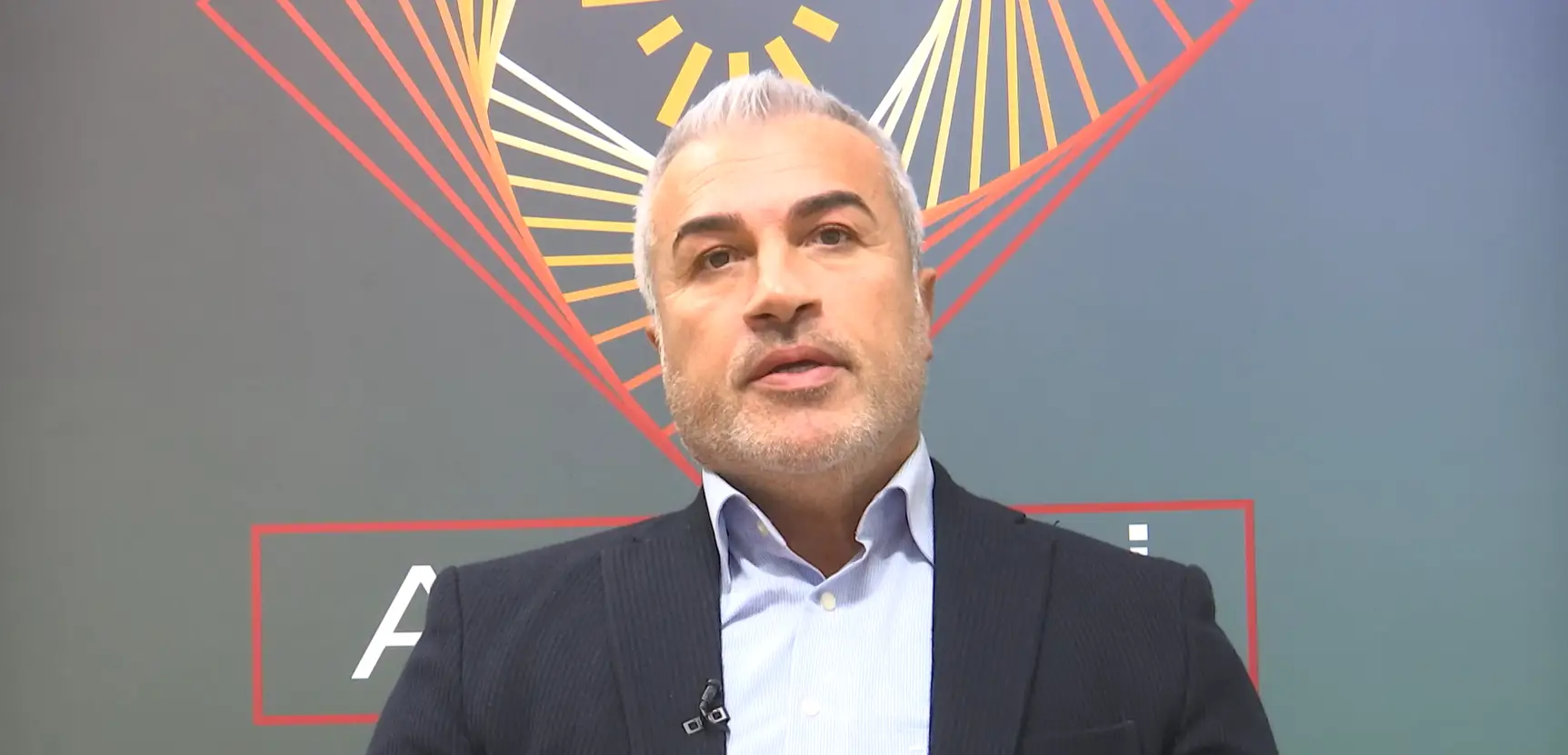
Interviewer
- Ahmet Kerim Gültekin