Görgü Cemi, Dara Çıkma, Dardan İndirme, Aklanma–Paklanma, İkrar, Rızalık
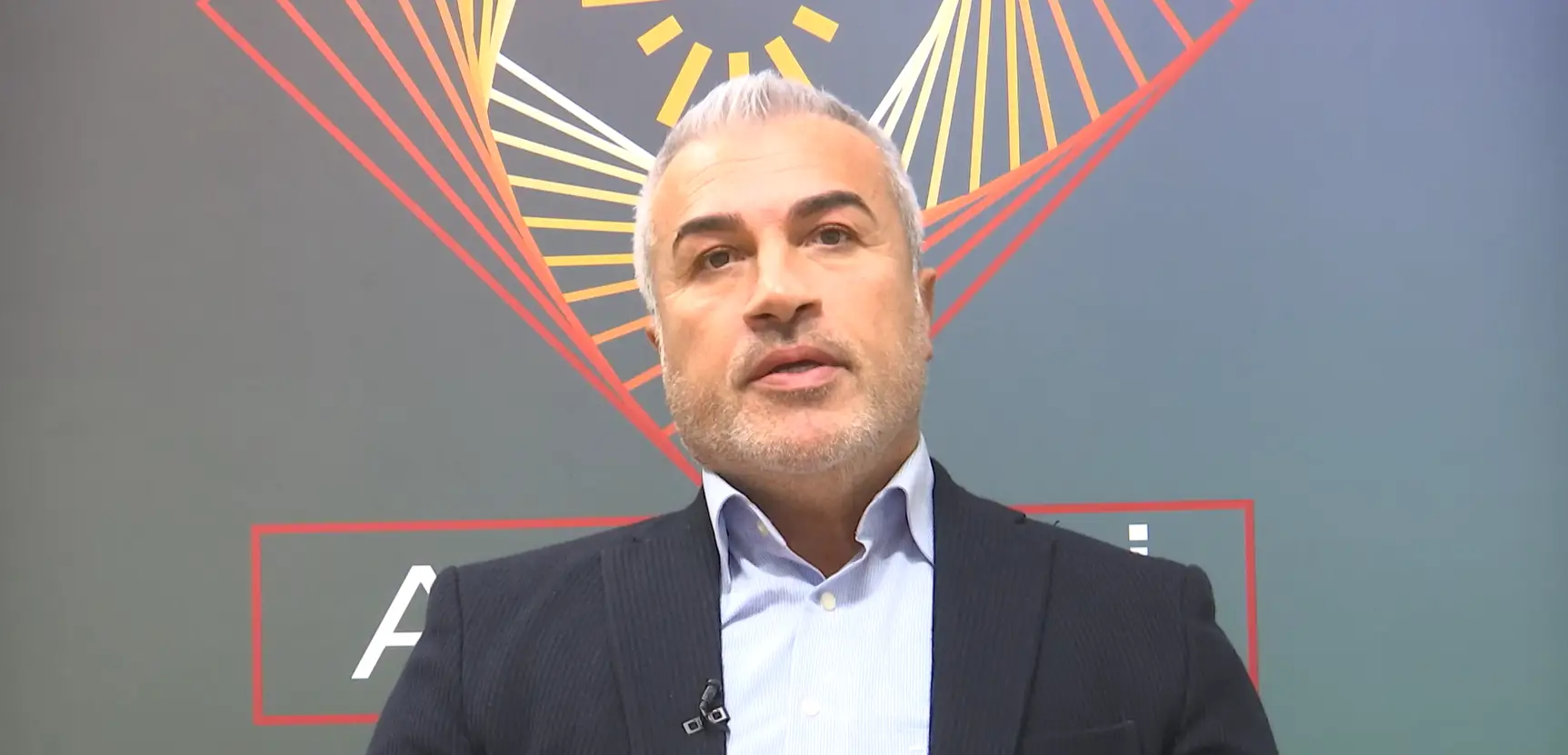
In this video, Pir Ecevit Emre discusses Görgü Cemi (entering görgü), which holds a central place in Alevi ritual life, in a multilayered and comprehensive way. He explains interconnected concepts such as dar, dara çıkma, dardan indirme, ikrar, and rızalık within the semantic framework of Görgü Cemi.
In the narration, görgü is defined as a process in which the individual confronts oneself, disciplines the nefs, and gives moral account on both personal and communal levels. In the Alevi path, it is accepted that a person may have shortcomings and mistakes throughout life. For this reason, individuals are expected to continuously observe their relations not only with other people but also with other living beings and with nature. Pir Ecevit Emre states that, as a requirement of this responsibility, an Alevi individual should enter görgü, stand in dar, and question oneself before the community once a year.
The video gives special attention to the importance of Görgü Cemi for musahips. Pir explains that in the case of the death of one musahip, the surviving musahip must rise to dar during the Görgü Cemi and give account on behalf of the deceased, taking over their debts and responsibilities. This shows that musahiplik is not merely a personal companionship but a lifelong social bond based on responsibility.
Pir Ecevit Emre defines cems as spaces of aklanma and paklanma. He emphasizes that Görgü Cemi is a threshold where both the individual and the community confront themselves and where rızalık is re-established. In this sense, Görgü is presented as one of the core rituals through which ethical order, social harmony, and the culture of coexistence are reproduced in the Alevi path.
An important part of the video focuses on the effects of migration, politicization, secularization, and social transformations experienced over the last fifty years on Görgü Cemi and similar rituals. Pir evaluates how these processes have changed ritual performance, interpretation, and social meaning, and discusses the tensions and transformations between traditional forms and contemporary practices from an internal perspective.
In this respect, the video approaches Görgü Cemi not merely as a ritual but as a fundamental practice of the Alevi path in which ethical order, social responsibility, and the principle of rızalık are embodied, offering highly valuable ethnographic and reflective insights.
This recording was made on 6–7 December 2025 at the CAN TV studios in Cologne, Germany, within the oral history and visual archive project of the Alevi Encyclopedia, as part of the series “From the Voices of the Path Leaders.”
In the narration, görgü is defined as a process in which the individual confronts oneself, disciplines the nefs, and gives moral account on both personal and communal levels. In the Alevi path, it is accepted that a person may have shortcomings and mistakes throughout life. For this reason, individuals are expected to continuously observe their relations not only with other people but also with other living beings and with nature. Pir Ecevit Emre states that, as a requirement of this responsibility, an Alevi individual should enter görgü, stand in dar, and question oneself before the community once a year.
The video gives special attention to the importance of Görgü Cemi for musahips. Pir explains that in the case of the death of one musahip, the surviving musahip must rise to dar during the Görgü Cemi and give account on behalf of the deceased, taking over their debts and responsibilities. This shows that musahiplik is not merely a personal companionship but a lifelong social bond based on responsibility.
Pir Ecevit Emre defines cems as spaces of aklanma and paklanma. He emphasizes that Görgü Cemi is a threshold where both the individual and the community confront themselves and where rızalık is re-established. In this sense, Görgü is presented as one of the core rituals through which ethical order, social harmony, and the culture of coexistence are reproduced in the Alevi path.
An important part of the video focuses on the effects of migration, politicization, secularization, and social transformations experienced over the last fifty years on Görgü Cemi and similar rituals. Pir evaluates how these processes have changed ritual performance, interpretation, and social meaning, and discusses the tensions and transformations between traditional forms and contemporary practices from an internal perspective.
In this respect, the video approaches Görgü Cemi not merely as a ritual but as a fundamental practice of the Alevi path in which ethical order, social responsibility, and the principle of rızalık are embodied, offering highly valuable ethnographic and reflective insights.
This recording was made on 6–7 December 2025 at the CAN TV studios in Cologne, Germany, within the oral history and visual archive project of the Alevi Encyclopedia, as part of the series “From the Voices of the Path Leaders.”
Interviewer
- Ahmet Kerim Gültekin