Funeral Rituals in Alevism, Deyiş and Dua, and Mıle/Molla in the Dersim Alevi Tradition – Pir Cemal Cenan
In this video, Pir Cemal Cenan speaks about funeral rites in Dersim Alevism and clarifies the phenomenon of molla/mıle, an institutional figure that is still traceable in Dersim today but remains largely unknown. The Pir explains that individuals who recite prayers and sometimes read the Qur’an at funerals in Dersim are called mole/mıle, and that these figures were literate in Ottoman Turkish and had learned the practice of reading religious texts. In this respect, the video shows that the ritual field in Dersim historically developed not along a single line, but through the interaction of figures with different functions.
In Pir Cemal Cenan’s account, pirs and members of the Ocak are positioned as the carriers of the path and the central axis of religious authority, whereas mıle are emphasized as figures emerging from within the local community who become visible particularly in specific ritual contexts such as funerals. By situating this institutional division of labor within a historical continuity, the Pir illustrates how funeral rites are performed in Dersim and which oral ritual repertoires—dua, deyiş, and gülbenk—are activated in this process.
The video also discusses in detail how social transformations over the last century have affected this ritual field. With the migration of Alevis to urban centers, the politicization of Alevism, organization in the European diaspora, and the emergence of Alevi institutions, the institutions of pirlik and analık have been repositioned within Alevi organizations. In parallel, Ocak-affiliated figures have become more visible in fundamental life-cycle rituals such as marriage and death. In this process, the institution of mıle has largely receded and has become a practice limited to a small number of cases in Dersim. In this sense, the video provides distinctive ethnographic insights into a form of ritual expertise that is rarely documented today.
Another significant observation highlighted in Pir Cemal Cenan’s narrative concerns the transformation of funeral practices among diaspora Alevis who have been living in Germany for three generations. The Pir notes that in a diaspora with an approximately 60-year history in Europe, Alevis have begun to take their deceased less frequently back to Dersim, referred to as the “ancestral lands.” This observation offers a highly valuable perspective for understanding the social transformation of the Alevi community in Europe, and particularly in Germany, through changing notions of spatial belonging and ritual practice.
In this context, the Pir explains step by step how a funeral rite is conducted in Germany, which individual and institutional processes are involved, and who participates in the process and in which roles. By providing examples of deyiş and dua recited during funeral rituals, the narrative makes visible that death rites are not merely acts of burial but ritual frameworks that reconstruct memory, belonging, and communal bonds.
This recording was made on 6–7 December 2025 at the CAN TV studios in Cologne, Germany, as part of the Alevi Encyclopedia’s oral history and visual archive project, within the “From the Words of the Path’s Guides” series.
In Pir Cemal Cenan’s account, pirs and members of the Ocak are positioned as the carriers of the path and the central axis of religious authority, whereas mıle are emphasized as figures emerging from within the local community who become visible particularly in specific ritual contexts such as funerals. By situating this institutional division of labor within a historical continuity, the Pir illustrates how funeral rites are performed in Dersim and which oral ritual repertoires—dua, deyiş, and gülbenk—are activated in this process.
The video also discusses in detail how social transformations over the last century have affected this ritual field. With the migration of Alevis to urban centers, the politicization of Alevism, organization in the European diaspora, and the emergence of Alevi institutions, the institutions of pirlik and analık have been repositioned within Alevi organizations. In parallel, Ocak-affiliated figures have become more visible in fundamental life-cycle rituals such as marriage and death. In this process, the institution of mıle has largely receded and has become a practice limited to a small number of cases in Dersim. In this sense, the video provides distinctive ethnographic insights into a form of ritual expertise that is rarely documented today.
Another significant observation highlighted in Pir Cemal Cenan’s narrative concerns the transformation of funeral practices among diaspora Alevis who have been living in Germany for three generations. The Pir notes that in a diaspora with an approximately 60-year history in Europe, Alevis have begun to take their deceased less frequently back to Dersim, referred to as the “ancestral lands.” This observation offers a highly valuable perspective for understanding the social transformation of the Alevi community in Europe, and particularly in Germany, through changing notions of spatial belonging and ritual practice.
In this context, the Pir explains step by step how a funeral rite is conducted in Germany, which individual and institutional processes are involved, and who participates in the process and in which roles. By providing examples of deyiş and dua recited during funeral rituals, the narrative makes visible that death rites are not merely acts of burial but ritual frameworks that reconstruct memory, belonging, and communal bonds.
This recording was made on 6–7 December 2025 at the CAN TV studios in Cologne, Germany, as part of the Alevi Encyclopedia’s oral history and visual archive project, within the “From the Words of the Path’s Guides” series.
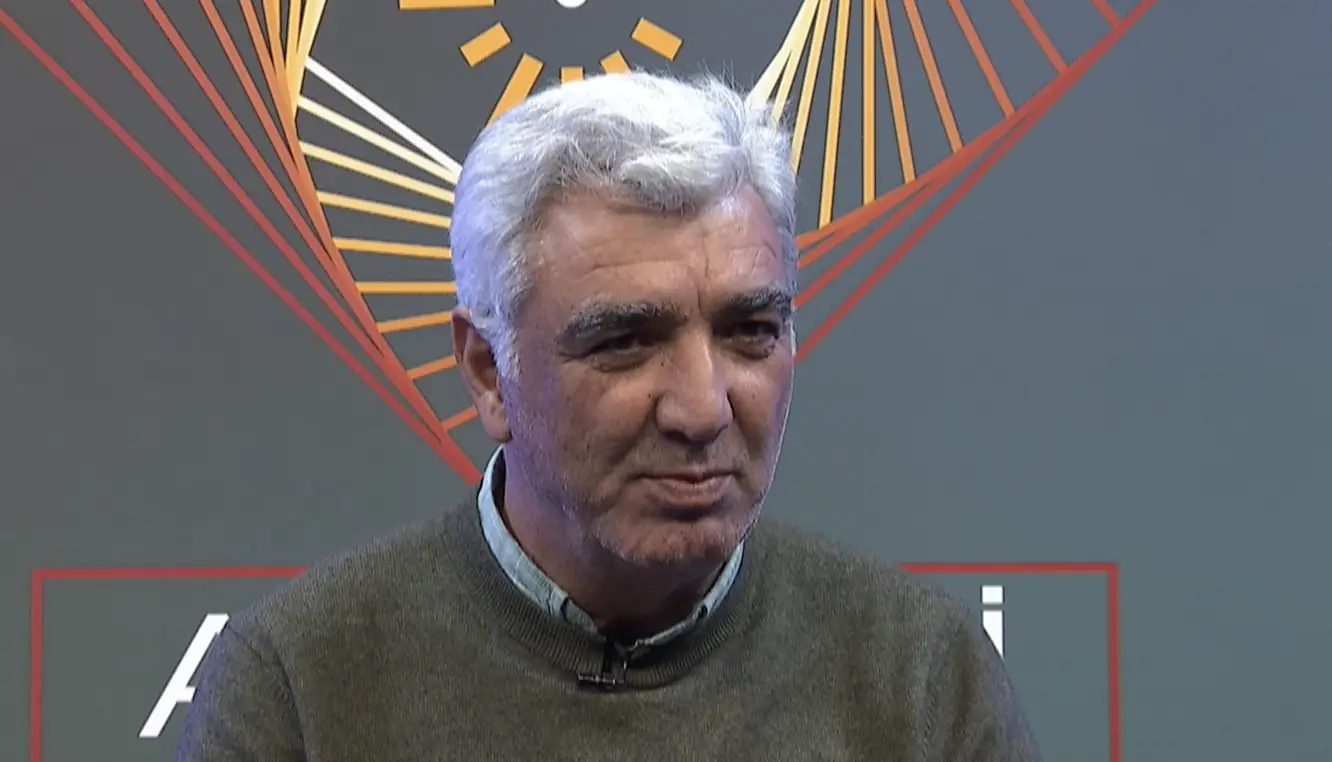
Interviewer
- Dr. Ahmet Kerim Gültekin