Cem / Cıvat, Musahiplik, Ana Kapısı in Alevism, Ağuçan Ocak
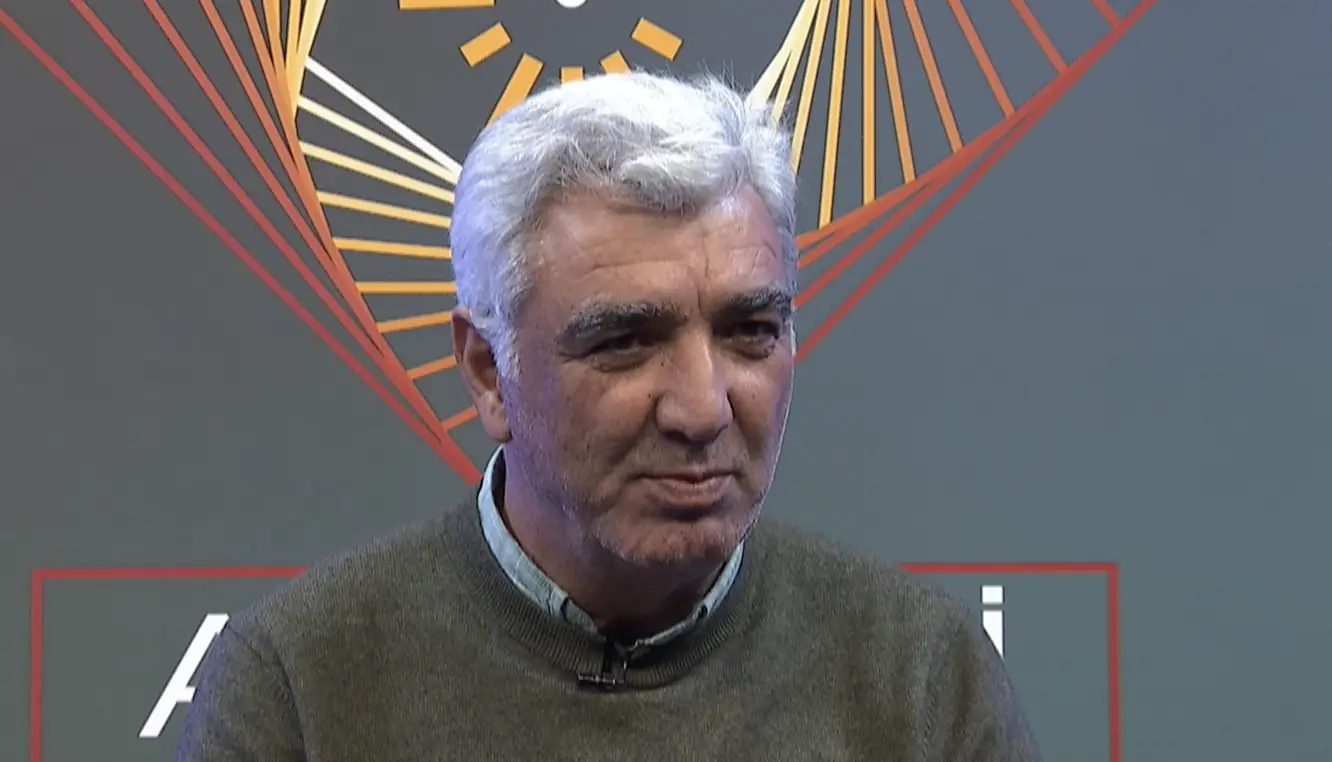
In this video, Pir Cemal Cenan, a pir affiliated with the Ağuçan Ocak, explains from an insider perspective the principle “yol incineceğine can incinsin”, one of the core ethical and belief foundations of Alevism, and the related understanding of the Four Gates and Forty Stations. He shows that this teaching is not only a moral principle, but a fundamental path doctrine that establishes and sustains Alevi social order.
Pir Cemal Cenan explains in detail that cem rituals in Alevi culture are not only religious and devotional practices. They are also communal assemblies where internal problems are discussed and collective decisions are made. In cems, attended by women and men and by all adult members of the community, issues related to land, property, livestock, as well as economic and political matters between households are negotiated and resolved. In this sense, the cem functions in Alevi society both as worship and as a mechanism of internal law and social regulation.
The video also explains why Dersim Alevis historically turned to their own religious institutions—especially Ocaks and Ocak representatives—rather than state courts. The examples shared by Pir Cemal Cenan clearly illustrate how internal law operates in Alevism, how it has been affected by social transformations, and how it continues both in Turkey and in the European diaspora.
The narrative also draws attention to an important transformation in contemporary Alevism. Traditionally, each talip was bound exclusively to their own Ocak. In the modern period, especially in the diaspora, this structure has become more flexible. Talips now participate in cem rituals and community gatherings led by pirs and anas from different Ocaks within Alevi institutions and recognize these authorities. Pir Cemal Cenan illustrates this transformation through his own experiences, offering concrete examples of Alevi practice in the diaspora.
A striking example shared in this context concerns a wedding ceremony where Pir Cemal Cenan was invited to perform the marriage. He explains that he could not conduct the ceremony because one of the partners was not Alevi and, more importantly, did not have musahiplik. Through this example, he emphasizes that musahiplik is an indispensable condition for acceptance into the Alevi community. By explaining the Four Gates teaching in detail, he stresses that the first gate is the Ana Kapısı, which forms the basic ground for learning belief, culture, and language. The gates of şeriat, tarikat, marifet, and hakikat can only be built upon this foundational gate.
Pir Cemal Cenan’s account clarifies essential issues such as how musahiplik is established, how one enters the Alevi path, and how this process is being reshaped today through migration, social change, and transformation. In this respect, the video makes visible the transformation of Alevi rituals and traditions from an Ocak perspective, based on the contemporary experiences and challenges faced by a pir.
This recording was made on 6–7 December 2025 at the CAN TV studios in Cologne, Germany, within the framework of the Alevi Encyclopedia’s oral history and visual archive project, as part of the series “Yol Önderlerinin Dilinden.”
Pir Cemal Cenan explains in detail that cem rituals in Alevi culture are not only religious and devotional practices. They are also communal assemblies where internal problems are discussed and collective decisions are made. In cems, attended by women and men and by all adult members of the community, issues related to land, property, livestock, as well as economic and political matters between households are negotiated and resolved. In this sense, the cem functions in Alevi society both as worship and as a mechanism of internal law and social regulation.
The video also explains why Dersim Alevis historically turned to their own religious institutions—especially Ocaks and Ocak representatives—rather than state courts. The examples shared by Pir Cemal Cenan clearly illustrate how internal law operates in Alevism, how it has been affected by social transformations, and how it continues both in Turkey and in the European diaspora.
The narrative also draws attention to an important transformation in contemporary Alevism. Traditionally, each talip was bound exclusively to their own Ocak. In the modern period, especially in the diaspora, this structure has become more flexible. Talips now participate in cem rituals and community gatherings led by pirs and anas from different Ocaks within Alevi institutions and recognize these authorities. Pir Cemal Cenan illustrates this transformation through his own experiences, offering concrete examples of Alevi practice in the diaspora.
A striking example shared in this context concerns a wedding ceremony where Pir Cemal Cenan was invited to perform the marriage. He explains that he could not conduct the ceremony because one of the partners was not Alevi and, more importantly, did not have musahiplik. Through this example, he emphasizes that musahiplik is an indispensable condition for acceptance into the Alevi community. By explaining the Four Gates teaching in detail, he stresses that the first gate is the Ana Kapısı, which forms the basic ground for learning belief, culture, and language. The gates of şeriat, tarikat, marifet, and hakikat can only be built upon this foundational gate.
Pir Cemal Cenan’s account clarifies essential issues such as how musahiplik is established, how one enters the Alevi path, and how this process is being reshaped today through migration, social change, and transformation. In this respect, the video makes visible the transformation of Alevi rituals and traditions from an Ocak perspective, based on the contemporary experiences and challenges faced by a pir.
This recording was made on 6–7 December 2025 at the CAN TV studios in Cologne, Germany, within the framework of the Alevi Encyclopedia’s oral history and visual archive project, as part of the series “Yol Önderlerinin Dilinden.”
Interviewer
- Dr. Ahmet Kerim Gültekin