Marriage and the Marriage Ceremony in Alevism, Musahiplik, and the Deyiş & Gülbenk Recited during the Ceremony
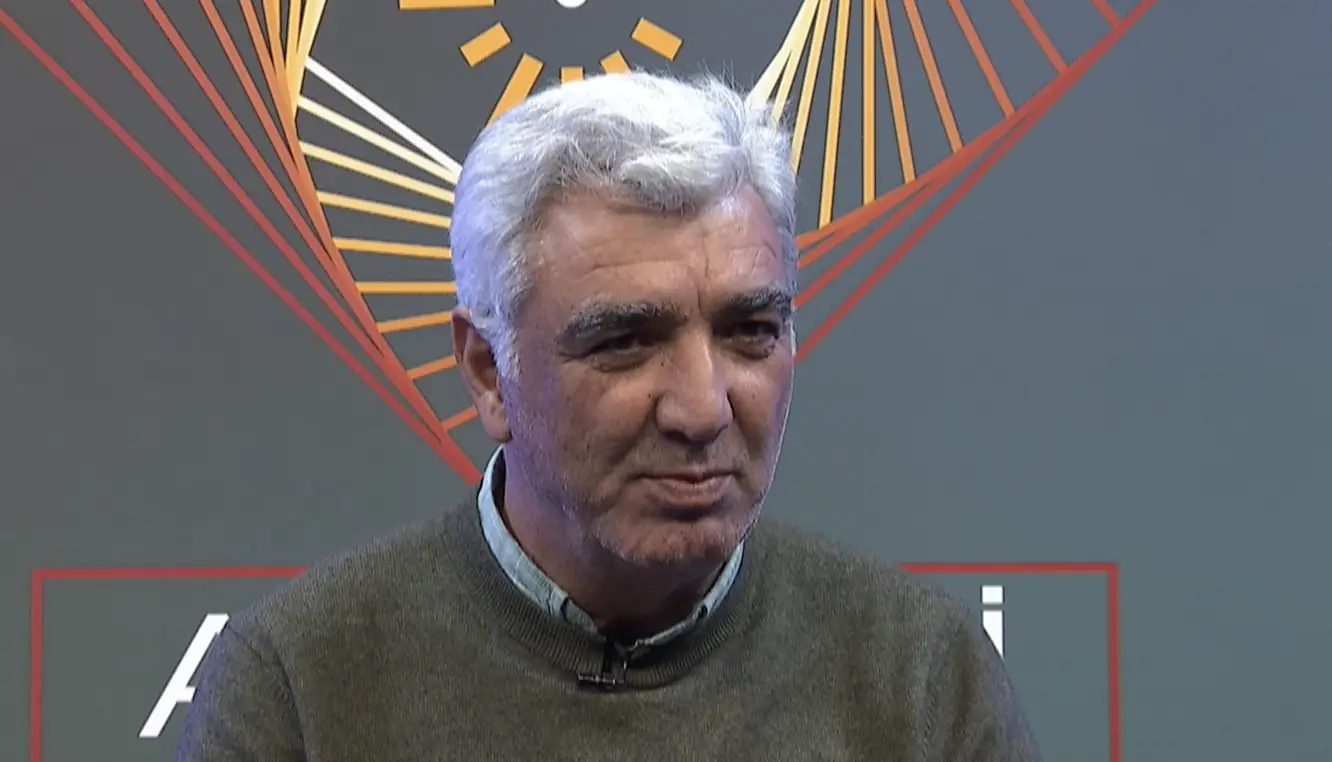
In this video, Pir Cemal Cenan explains the institution of marriage and religious marriage (nikâh) in Alevism from an insider perspective, together with the rituals that accompany this process. At the center of the narrative is musahiplik, one of the fundamental institutional elements of Alevi belief and social order. The Pir emphasizes that nikâh is not merely a union between two individuals, but an institution constructed within an Ocak-centered communal structure, based on collective responsibilities and moral obligations.
Pir Cemal Cenan explains in detail how musahiplik is established, who can be chosen as musahip, and the social principles upon which this relationship is founded. He particularly highlights that in the past, the establishment of musahiplik ties between families with different economic conditions functioned as a mechanism to strengthen solidarity, balance poverty, and reinforce social equality within Alevi society. In this respect, musahiplik is presented not only as a religious institution but also as a strong social one.
The video describes the rituals of the Alevi marriage ceremony step by step, through a comparison that extends from the past to the present. The transformation between traditional practices in rural Dersim villages and contemporary marriage practices carried out under changing conditions in Turkey and the European diaspora is illustrated through Pir Cemal Cenan’s personal experiences and observations. In this way, it is shown that rituals do not remain fixed, but adapt to new contexts while preserving their fundamental principles.
One of the most striking parts of the narrative concerns the deyiş and gülbenk recited during marriage rituals. By giving examples from these oral ritual texts, Pir Cemal Cenan makes visible the linguistic, symbolic, and batın dimensions of the Alevi understanding of marriage. These examples provide highly valuable ethnographic insights, demonstrating how Alevi oral culture plays a central role within marriage practices and how religious knowledge is transmitted.
This recording was made on 6–7 December 2025 at the CAN TV studios in Cologne, Germany, as part of the Alevi Encyclopedia’s oral history and visual archive project, within the “From the Words of the Path’s Guides” series.
Pir Cemal Cenan explains in detail how musahiplik is established, who can be chosen as musahip, and the social principles upon which this relationship is founded. He particularly highlights that in the past, the establishment of musahiplik ties between families with different economic conditions functioned as a mechanism to strengthen solidarity, balance poverty, and reinforce social equality within Alevi society. In this respect, musahiplik is presented not only as a religious institution but also as a strong social one.
The video describes the rituals of the Alevi marriage ceremony step by step, through a comparison that extends from the past to the present. The transformation between traditional practices in rural Dersim villages and contemporary marriage practices carried out under changing conditions in Turkey and the European diaspora is illustrated through Pir Cemal Cenan’s personal experiences and observations. In this way, it is shown that rituals do not remain fixed, but adapt to new contexts while preserving their fundamental principles.
One of the most striking parts of the narrative concerns the deyiş and gülbenk recited during marriage rituals. By giving examples from these oral ritual texts, Pir Cemal Cenan makes visible the linguistic, symbolic, and batın dimensions of the Alevi understanding of marriage. These examples provide highly valuable ethnographic insights, demonstrating how Alevi oral culture plays a central role within marriage practices and how religious knowledge is transmitted.
This recording was made on 6–7 December 2025 at the CAN TV studios in Cologne, Germany, as part of the Alevi Encyclopedia’s oral history and visual archive project, within the “From the Words of the Path’s Guides” series.
Interviewer
- Dr. Ahmet Kerim Gültekin