Ancestor Worshipping in Alevism, Sacred Places (Jiare), Kalu Bela, and Devr-i Daim – Pir Cemal Cenan
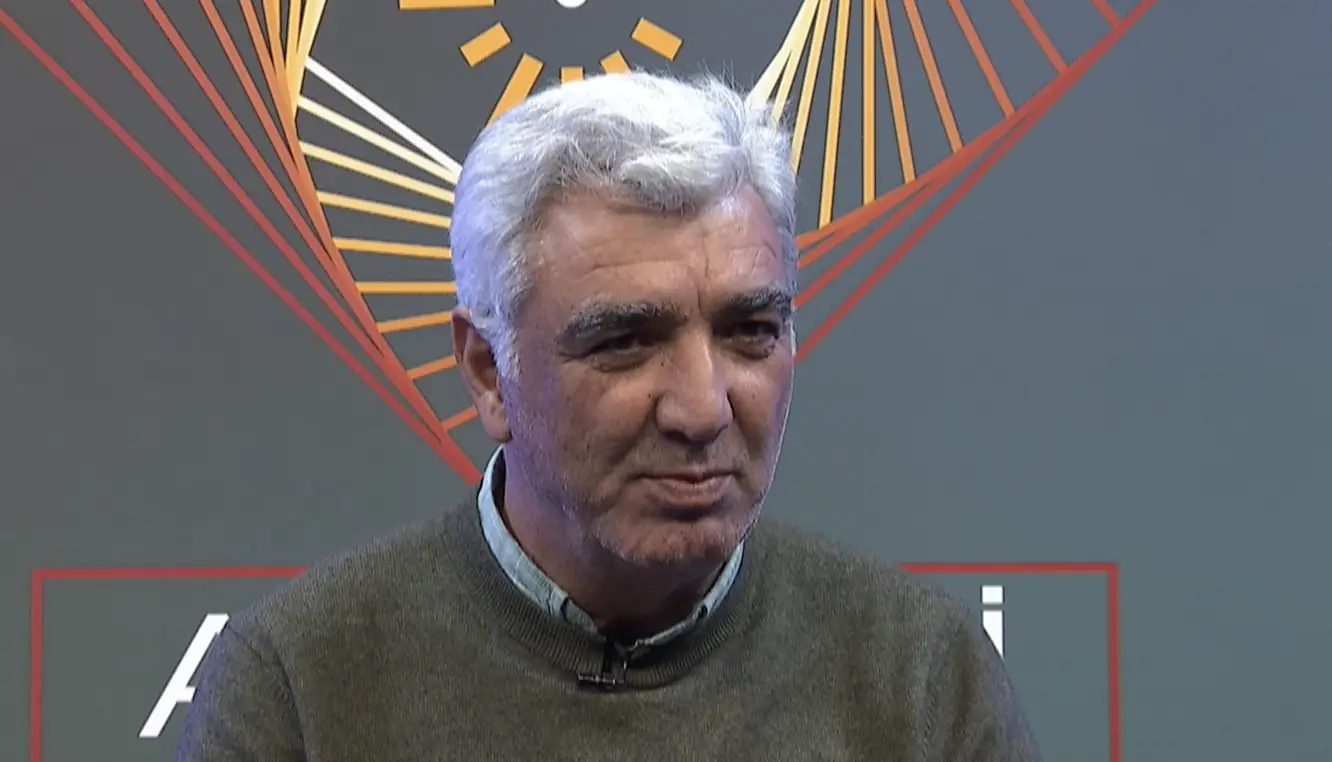
In this video, Pir Cemal Cenan speaks about the culture of jiare (sacred places/visits) in Dersim Alevism and explains this belief practice from an insider perspective, focusing on everyday and ritual relations with sacred nature. Drawing on memories from his childhood journeys to the highlands, the Pir illustrates how Dersim Alevis live in close interaction with a sacred natural environment.
He explains that upon arriving at the highlands, the first place visited is the jiare of the mountain, where consent (rızalık) is sought and offerings (lokma/niyaz) are shared not only among people but also with nature and wild animals. This practice, expressed as “the share of the wolf and the bird,” is presented as a distinctive feature of Dersim Alevism. Through these examples, the Pir shows how the sacred landscape of Dersim gains meaning through batın beings dwelling in both living and non-living entities.
Pir Cemal Cenan emphasizes that Dersim Alevis remain in constant contact with both the zahir world and the physical manifestations of the batın realm. Mountains, waters, trees, and animals are described not merely as natural elements, but as carriers and interlocutors of the batın world. In this context, the Pir offers a detailed explanation of devr-i daim, illustrating the continuity of souls between the zahir and batın realms through examples from gülbenk and deyiş.
The video also addresses perceptions of cemeteries and ancestors. Rather than framing cemeteries in terms of “ancestor worship,” Pir Cemal Cenan defines them as “our memory,” explaining that cemeteries function as concrete spaces of continuity, memory, and belonging within Alevi cosmology. This perspective makes visible the strong connection between jiare culture, devr-i daim, and collective memory.
In the second part of the video, the Pir engages with contemporary debates on Alevism through the concept of Kalu Bela. He argues against defining Alevism solely as a religion, philosophy, or way of life, emphasizing instead that it represents a belief universe grounded in continuity and endurance, capable of adapting to a changing world. Within this framework, devr-i daim is reconsidered as a core element of Alevi cosmology, highlighting the dynamic character of the Alevi belief system.
This recording was made on 6–7 December 2025 at the CAN TV studios in Cologne, Germany, as part of the Alevi Encyclopedia’s oral history and visual archive project, within the “From the Words of the Path’s Guides” series.
He explains that upon arriving at the highlands, the first place visited is the jiare of the mountain, where consent (rızalık) is sought and offerings (lokma/niyaz) are shared not only among people but also with nature and wild animals. This practice, expressed as “the share of the wolf and the bird,” is presented as a distinctive feature of Dersim Alevism. Through these examples, the Pir shows how the sacred landscape of Dersim gains meaning through batın beings dwelling in both living and non-living entities.
Pir Cemal Cenan emphasizes that Dersim Alevis remain in constant contact with both the zahir world and the physical manifestations of the batın realm. Mountains, waters, trees, and animals are described not merely as natural elements, but as carriers and interlocutors of the batın world. In this context, the Pir offers a detailed explanation of devr-i daim, illustrating the continuity of souls between the zahir and batın realms through examples from gülbenk and deyiş.
The video also addresses perceptions of cemeteries and ancestors. Rather than framing cemeteries in terms of “ancestor worship,” Pir Cemal Cenan defines them as “our memory,” explaining that cemeteries function as concrete spaces of continuity, memory, and belonging within Alevi cosmology. This perspective makes visible the strong connection between jiare culture, devr-i daim, and collective memory.
In the second part of the video, the Pir engages with contemporary debates on Alevism through the concept of Kalu Bela. He argues against defining Alevism solely as a religion, philosophy, or way of life, emphasizing instead that it represents a belief universe grounded in continuity and endurance, capable of adapting to a changing world. Within this framework, devr-i daim is reconsidered as a core element of Alevi cosmology, highlighting the dynamic character of the Alevi belief system.
This recording was made on 6–7 December 2025 at the CAN TV studios in Cologne, Germany, as part of the Alevi Encyclopedia’s oral history and visual archive project, within the “From the Words of the Path’s Guides” series.
Interviewer
- Dr. Ahmet Kerim Gültekin