Women in Alevism
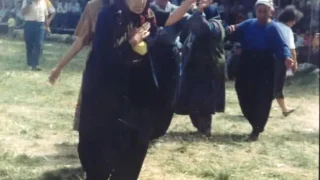
In Alevism, women are not only foundational to social life but also to the spiritual cosmos. In Alevi theology, female womb is revered as the...
Reflexivity in Alevi Studies
The insider–outsider position of a researcher within Alevi studies brings both unique opportunities and inherent tensions. In religious ethnography, it is crucial to recognize that...
Dedes: Transformation of Religious Leadership in the Alevi Community
This entry examines the transformation of dedes—hereditary male religious leaders in Alevism—in response to migration, urbanization, and institutionalization since the 1990s. Traditionally embedded in rural...
Hacı Bektaş Veli Tomb and Museum
The Hacıbektaş shrine complex in Nevşehir, Turkey, was the central lodge of the Bektaşi order for centuries until the abolition of religious orders in 1925...
Nusayris' Funeral Rituals
Arab Alawites (Nusayris) are an ethno-religious community with a secrecy-based belief system, living especially in Adana, Hatay, and Mersin. In these communities, funeral rituals are...
Secularization of Alevis
Secularization of Alevis is a concept used to define the weakening of the influence of religious beliefs and institutions in Alevi communities in Turkey under...
Unclehood (Seyyidship in Arab Alevism)
In Arab Alevi (Nusayri) communities, the institution of unclehood plays a central role in integrating 14-15 year old male children into the belief system. This...
Arab Alevis (2) (Alawite / Nusayrism)
Nusayri-Alawite (Arab Alevism) is a unique belief system based on esoteric and batini (inner) interpretations within the Shiite tradition of Islam. Shaped by the teachings...
Can
The Alevi concept of can stems from its Persian Sufi heritage. In the poetic and mystical literature, it is associated with the ideas of life...
Alevism and Neo-Ottomanism
One remarkable, recent transformation in Turkish public life, roughly corresponding to the rule of the rule of the Justice and Development Party (Adalet ve Kalkınma...
The Institutionalization of Alevi Religious Education in Germany
This article examines the emergence of Alevi religious education in Germany, its process of institutionalization, and its current framework of implementation. It first considers how, from the 1980s onward, the...
Why Is It Important to Preserve the Memory of Alevism?
Alevism preserves its identity, faith, and culture through collective memory and memory sites, resisting historical oppression and displacement, while ensuring intergenerational transmission via physical, cultural, and digital means.
Alevilik, köklü bir inanç ve kültürel mirasa sahip olup, barış, adalet ve insan sevgisi gibi evrensel değerleri ön planda tutan
A Historic Turning Point and the Will to Safeguard the Future of Alevi Knowledge
The Alevi Encyclopedia is a vital project enabling Alevis to combat centuries of physical and epistemic violence and assimilation. It seeks to document their cultural heritage using their own voice...
The Alevi Encyclopedia
The Alevi Encyclopedia is a comprehensive initiative that aims to preserve the historical, cultural, and spiritual heritage of Alevism, supporting accurate knowledge production and passing it on to future generations...