Kirvelik (1)
Kirvelik, in the context of Dersim Alevism (Raa Haqi), does not merely denote a symbolic form of kinship shaped around the circumcision ritual. Rather, it...
Beyit (Beyıt / Beyıte)
Beyıte (or Beyıt) is the general term for the poems recited during ritual worship in the belief system of Raa Haqi. These poems vary according...
Kirvelik (2)
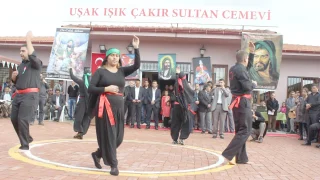
This entry examines the institution of kirvelik (Kivralık / Kirve / Kewra / Kirêw & Male Circumcision) in the context of Dersim Alevism (Raa Haqi),...
Ras el Seni and Kıddes among Arab Alevis
Ras el Seni and Kıddes are two significant ritual days celebrated among Arab Alevis living in the regions of Antakya, Adana, and Mersin in Turkey,...
Roman (Gypsy) Alevis
Groups with diverse ethno-cultural characteristics such as "Rom", "Dom", "Lom", and "Blacksmith" communities largely use the term "Roman" in order to reduce the effects of...
Ahiret (Axrete / Axiret) in Dersim Alevism
Axrete (afterlife) refers to the sacred realm in the belief system of Dersim Alevism (Raa Haqi) where post-mortem existence takes place. As one of the...
Hard / Erd (Earth / Soil)
Hard / Erd (earth/soil) in the belief world of Dersim Alevism (Raa Haqi) refers to the space in which material life is sustained. However, it...
Zahir & Batın in Dersim Alevism
This entry examines the cosmology of Dersim Alevism (Raa Haqi) through the distinction between Zahir - Na Dina (Neq Dina/Wa Dünya - this world)...
Kızılbaş (Kizilbash)
The Kizilbash movement emerged in fifteenth-century Anatolia through the transformation of the Safavid order and the convergence of various Sufi, dervish, and messianic currents. Recent...
Tevhids and Münacats: A General Overview
Religious–Mystical Turkish Literature is a deeply rooted tradition that took shape with the acceptance of Islam and, over the centuries, has functioned both as a...
The Institutionalization of Alevi Religious Education in Germany
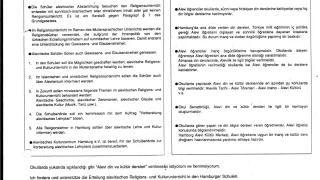
This article examines the emergence of Alevi religious education in Germany, its process of institutionalization, and its current framework of implementation. It first considers how, from the 1980s onward, the...
Why Is It Important to Preserve the Memory of Alevism?
Alevism preserves its identity, faith, and culture through collective memory and memory sites, resisting historical oppression and displacement, while ensuring intergenerational transmission via physical, cultural, and digital means.
Alevilik, köklü bir inanç ve kültürel mirasa sahip olup, barış, adalet ve insan sevgisi gibi evrensel değerleri ön planda tutan
A Historic Turning Point and the Will to Safeguard the Future of Alevi Knowledge
The Alevi Encyclopedia is a vital project enabling Alevis to combat centuries of physical and epistemic violence and assimilation. It seeks to document their cultural heritage using their own voice...
The Alevi Encyclopedia
The Alevi Encyclopedia is a comprehensive initiative that aims to preserve the historical, cultural, and spiritual heritage of Alevism, supporting accurate knowledge production and passing it on to future generations...