Awakening and Sealing the Delil/Çerağ: Number Symbolism in Alevism
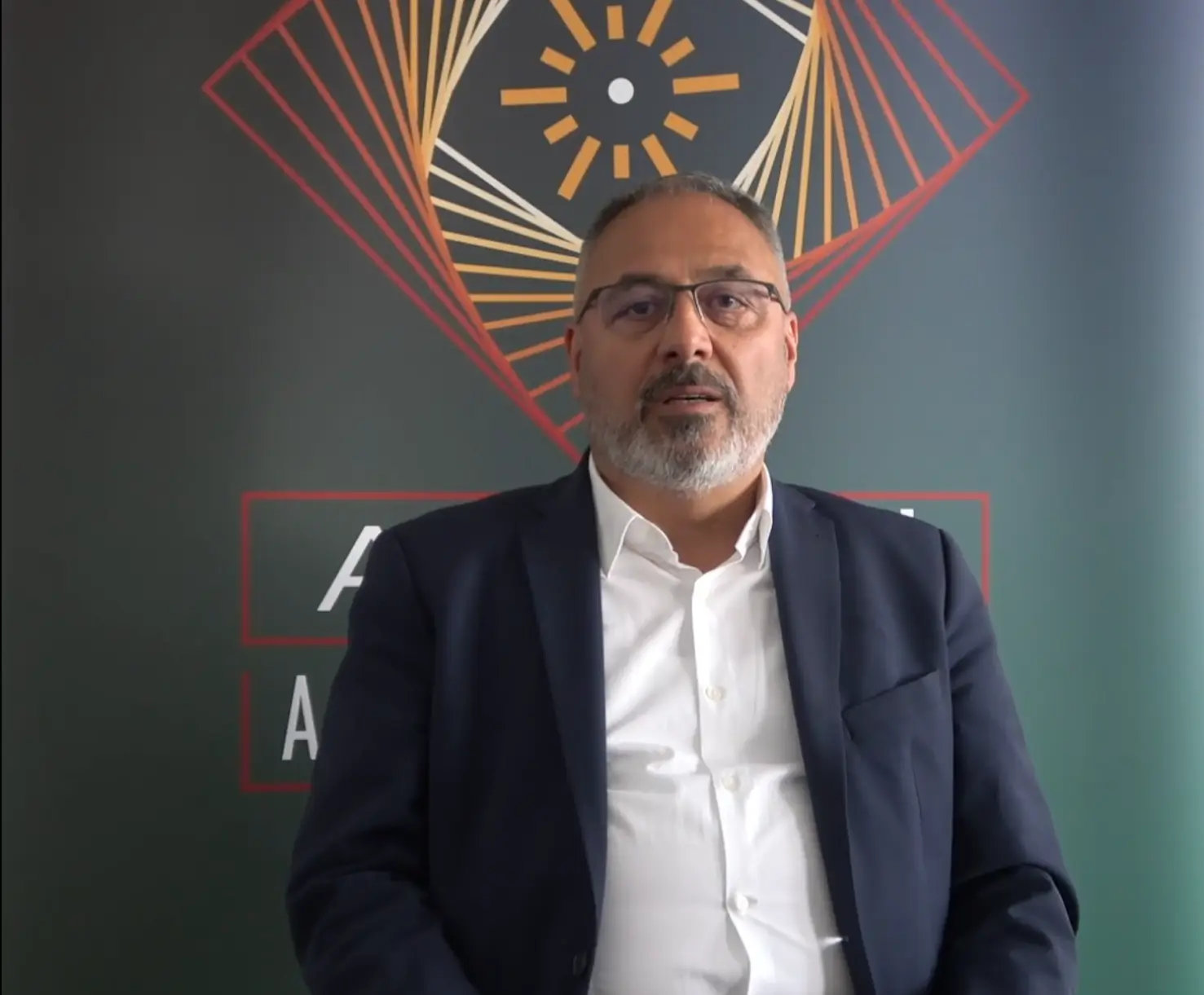
In this video, Pir Hasan Aygün explains the practice of awakening the delil, which holds a central place in Alevi rituals, and the religious meanings of the concept of delil/çerağ. According to Aygün, Alevism is a Yol. The delil or çerağ is the light, guide, and symbol of turning towards truth for the cans who walk on this Yol. For this reason, in Alevi rituals the çerağ is not understood merely as a candle that is lit. It is seen as a visible sign of Hak, hakikat, and the search for truth.
The video focuses on the concepts of “awakening” and “sealing” the çerağ. It explains that the çerağ is not simply lit and extinguished in an ordinary way. Rather, it is awakened within a ritual erkân and then sealed again through erkân. Aygün emphasises that the çerağ also represents the Ocak. When the delil is awakened, muhabbet begins, the names of the pirs are remembered, and the community sits and rises with rızalık. He notes that in the past a single delil was lit in cems, and that it was prepared with traditional materials such as sheep fat, in connection with kurban. Referring to the contemporary practice of lighting three delils, especially in cems in Germany, he also discusses the symbolic meanings of numbers such as “3”, “5”, “7”, “17”, and “40” in Alevism. Aygün further states that the delil is awakened not only in cems but also at sacred places. These may sometimes be the graves of pirs, and sometimes non-grave sacred places in nature that have a name and a spiritual personality.
This recording was made on 18 April 2026 at Alevitische Gemeinde und Cemevi e.V. (Lange Streng 12, 65462 Ginsheim-Gustavsburg), near Frankfurt, as part of the “In the Words of the Spiritual Guides” series of the Alevi Encyclopedia.
The video focuses on the concepts of “awakening” and “sealing” the çerağ. It explains that the çerağ is not simply lit and extinguished in an ordinary way. Rather, it is awakened within a ritual erkân and then sealed again through erkân. Aygün emphasises that the çerağ also represents the Ocak. When the delil is awakened, muhabbet begins, the names of the pirs are remembered, and the community sits and rises with rızalık. He notes that in the past a single delil was lit in cems, and that it was prepared with traditional materials such as sheep fat, in connection with kurban. Referring to the contemporary practice of lighting three delils, especially in cems in Germany, he also discusses the symbolic meanings of numbers such as “3”, “5”, “7”, “17”, and “40” in Alevism. Aygün further states that the delil is awakened not only in cems but also at sacred places. These may sometimes be the graves of pirs, and sometimes non-grave sacred places in nature that have a name and a spiritual personality.
This recording was made on 18 April 2026 at Alevitische Gemeinde und Cemevi e.V. (Lange Streng 12, 65462 Ginsheim-Gustavsburg), near Frankfurt, as part of the “In the Words of the Spiritual Guides” series of the Alevi Encyclopedia.
Interviewer
- Dr. Ahmet Kerim Gültekin