İnsan-ı Kâmil, the Four Gates and Forty Stations, and Enel Hak
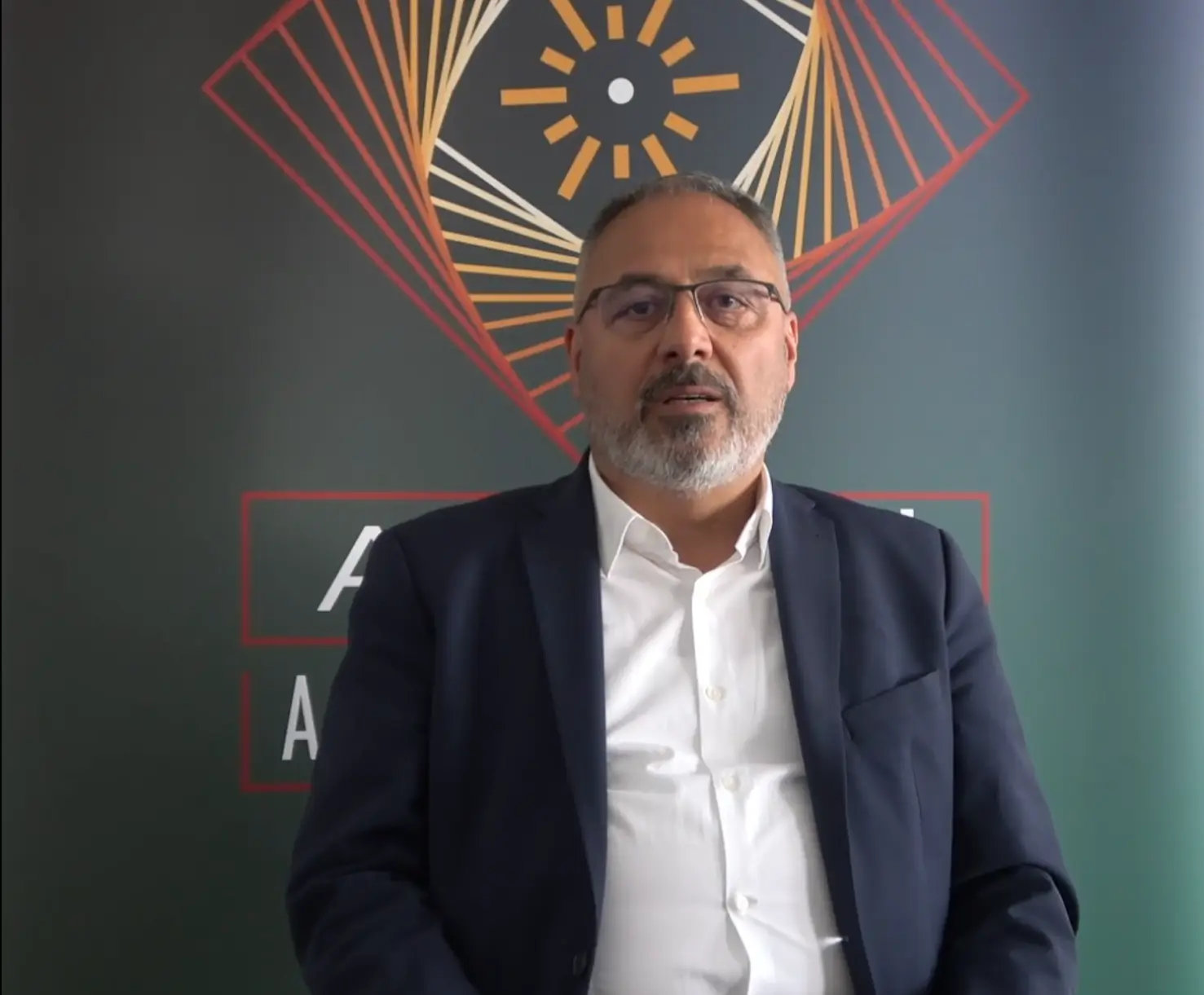
In this video, Pir Hasan Aygün explains the concept of insan-ı kâmil through the teaching of the Dört Kapı Kırk Makam (Four Gates and Forty Stations), one of the most central theological teachings in Alevism. Referring to the narrative of the Miraç and the Kırklar Meclisi, he discusses the idea of humility, equality, and reaching truth through the example of the Prophet Muhammad not being admitted when he comes to the door saying, “I am the Prophet,” but being admitted when he says, “I am Muhammad the servant.”
Aygün relates the saying “one of us is forty, and the forty of us are one” to the idea that the human being is part of the universe, to gender equality, and to social unity. He notes that there are different versions of this narrative and draws attention to the cultural and geographical diversity of Alevism. In the video, the teaching of insan-ı kâmil is interpreted through conscience and reason, the discovery of one’s own virtues, finding one’s place within the social order, and working for the common good.
Through the examples of Karl Marx and Che Guevara, Aygün establishes contemporary connections between Alevi cosmology and struggles for virtue, dignity, equality, and humanity in the modern world. In this framework, service to Hak is understood as service to human beings, and as living in harmony with other people, nature, and truth. The understanding of Enel Hak is also related to the human search for truth.
This recording was made on 18 April 2026 at Alevitische Gemeinde und Cemevi e.V. (Lange Streng 12, 65462 Ginsheim-Gustavsburg), near Frankfurt, as part of the “In the Words of the Spiritual Guides” series of the Alevi Encyclopedia.
Aygün relates the saying “one of us is forty, and the forty of us are one” to the idea that the human being is part of the universe, to gender equality, and to social unity. He notes that there are different versions of this narrative and draws attention to the cultural and geographical diversity of Alevism. In the video, the teaching of insan-ı kâmil is interpreted through conscience and reason, the discovery of one’s own virtues, finding one’s place within the social order, and working for the common good.
Through the examples of Karl Marx and Che Guevara, Aygün establishes contemporary connections between Alevi cosmology and struggles for virtue, dignity, equality, and humanity in the modern world. In this framework, service to Hak is understood as service to human beings, and as living in harmony with other people, nature, and truth. The understanding of Enel Hak is also related to the human search for truth.
This recording was made on 18 April 2026 at Alevitische Gemeinde und Cemevi e.V. (Lange Streng 12, 65462 Ginsheim-Gustavsburg), near Frankfurt, as part of the “In the Words of the Spiritual Guides” series of the Alevi Encyclopedia.
Interviewer
- Dr. Ahmet Kerim Gültekin