Gağan, Kurmanci Prayers, Communal Village Life, and the Role of Women in Dersim Alevism
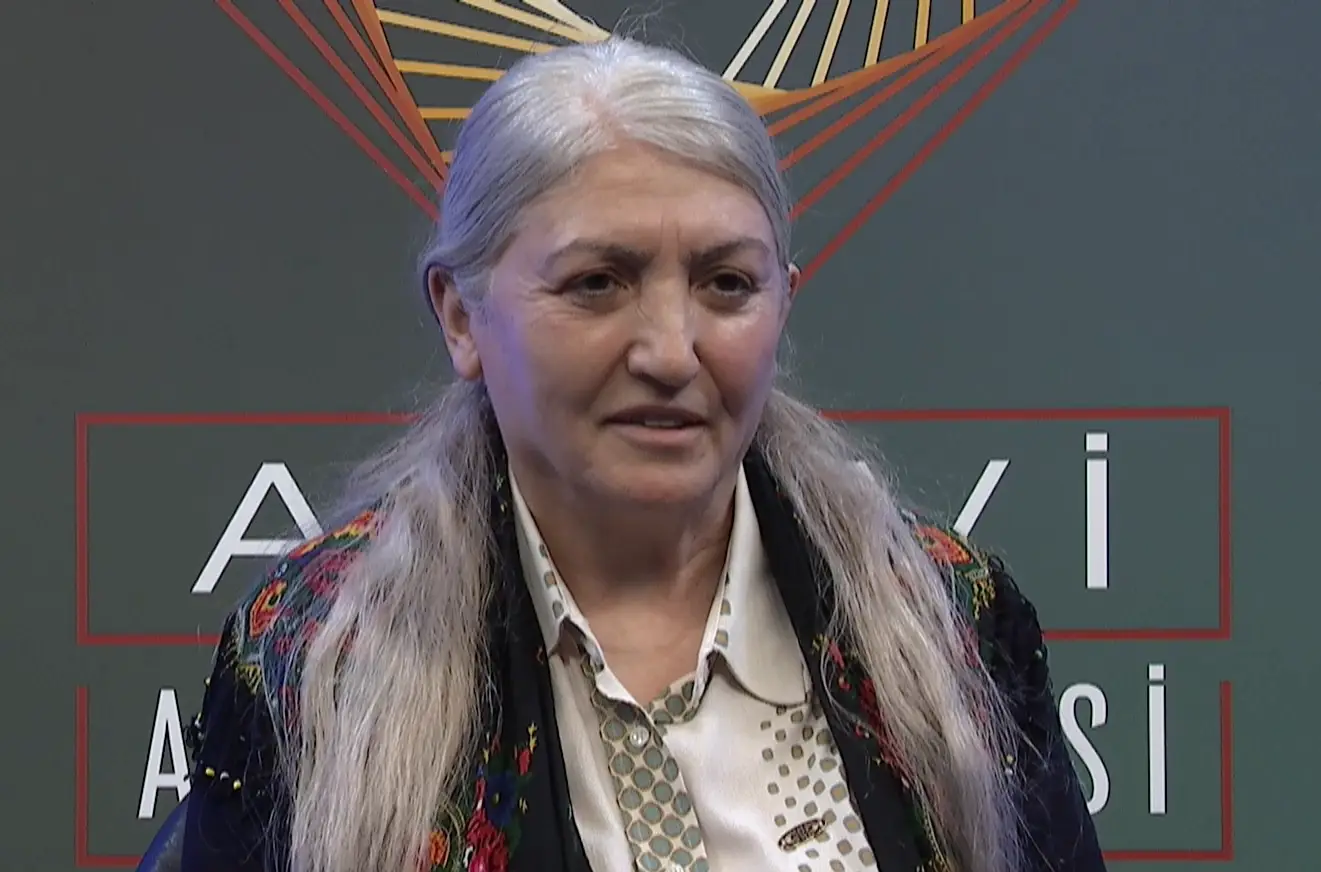
In this video, Ana Didar Cenan examines the Gağan period in Dersim Alevism (Raa Haqi) from an internal perspective, focusing on rituals, calendrical understanding, and communal life practices. One of the most important periods in the Dersim Alevi calendar, Gağan spans from mid-December to the end of January. Until the mid-twentieth century, this period referred to a set of rituals through which Alevi communities in the Dersim mountains—largely isolated from the outside world—bid farewell to the old year and welcomed the new one according to their own religious calendar.
Through Gağan fasts, the Khal û Fatık performative play, visits to jiares (ziyarets), and Gağan festivities, Ana Didar Cenan sheds detailed light on the ritual repertoire of Dersim Alevism. The narration shows that these rituals, structured around the farewell to the old year and the استقبال of the new year, constitute not only a religious but also a social and emotional process of renewal. The special roles of children during Gağan, the blessing of the household and domestic animals, the central place of water in purification rituals, as well as Kurmanci prayers and rhymes, are discussed in detail.
One of the most striking aspects of the video is Ana Didar Cenan’s emphasis on the cultural world that existed prior to the adoption of the Gregorian calendar, which she refers to as the “government calendar.” This narration demonstrates that in Dersim Alevism, time gains meaning through its relationship with natural cycles and collective memory, and that the universe of belief, emotion, and symbols is shaped within this distinctive calendrical understanding. Narratives conveyed at times in Kurmanci make visible the vitality and continuity of Gağan rituals in rural Dersim village life.
Gağan rituals also reflect the communal and solidaristic ways of life of Kurdish Alevi tribal and village communities in the Dersim mountains. The sharing of food, overcoming harsh winter conditions through collective solidarity, and practices of sharing especially with those in greater need constitute the social dimension of Gağan. Within this communal life, the foundational and sustaining role played by women is one of the strongest themes of the video. Women are made visible as key actors who transmit ritual knowledge, carry memory, and organize everyday life and religious practices. Ana Didar Cenan’s narration clearly demonstrates that in Dersim Alevism, women assume not only an implementing role but also a creative and organizing one.
This recording was made on 6–7 December 2025 at the CAN TV studios in Cologne, Germany, within the oral history and visual archive project of the Alevi Encyclopedia, as part of the “From the Voices of the Path Leaders” series.
Through Gağan fasts, the Khal û Fatık performative play, visits to jiares (ziyarets), and Gağan festivities, Ana Didar Cenan sheds detailed light on the ritual repertoire of Dersim Alevism. The narration shows that these rituals, structured around the farewell to the old year and the استقبال of the new year, constitute not only a religious but also a social and emotional process of renewal. The special roles of children during Gağan, the blessing of the household and domestic animals, the central place of water in purification rituals, as well as Kurmanci prayers and rhymes, are discussed in detail.
One of the most striking aspects of the video is Ana Didar Cenan’s emphasis on the cultural world that existed prior to the adoption of the Gregorian calendar, which she refers to as the “government calendar.” This narration demonstrates that in Dersim Alevism, time gains meaning through its relationship with natural cycles and collective memory, and that the universe of belief, emotion, and symbols is shaped within this distinctive calendrical understanding. Narratives conveyed at times in Kurmanci make visible the vitality and continuity of Gağan rituals in rural Dersim village life.
Gağan rituals also reflect the communal and solidaristic ways of life of Kurdish Alevi tribal and village communities in the Dersim mountains. The sharing of food, overcoming harsh winter conditions through collective solidarity, and practices of sharing especially with those in greater need constitute the social dimension of Gağan. Within this communal life, the foundational and sustaining role played by women is one of the strongest themes of the video. Women are made visible as key actors who transmit ritual knowledge, carry memory, and organize everyday life and religious practices. Ana Didar Cenan’s narration clearly demonstrates that in Dersim Alevism, women assume not only an implementing role but also a creative and organizing one.
This recording was made on 6–7 December 2025 at the CAN TV studios in Cologne, Germany, within the oral history and visual archive project of the Alevi Encyclopedia, as part of the “From the Voices of the Path Leaders” series.
Interviewer
- Ahmet Kerim Gültekin