The Belief in Devriye, “May the Cycle Continue” (Devri Daim Olsun), and the Phenomenon of Death in Alevism
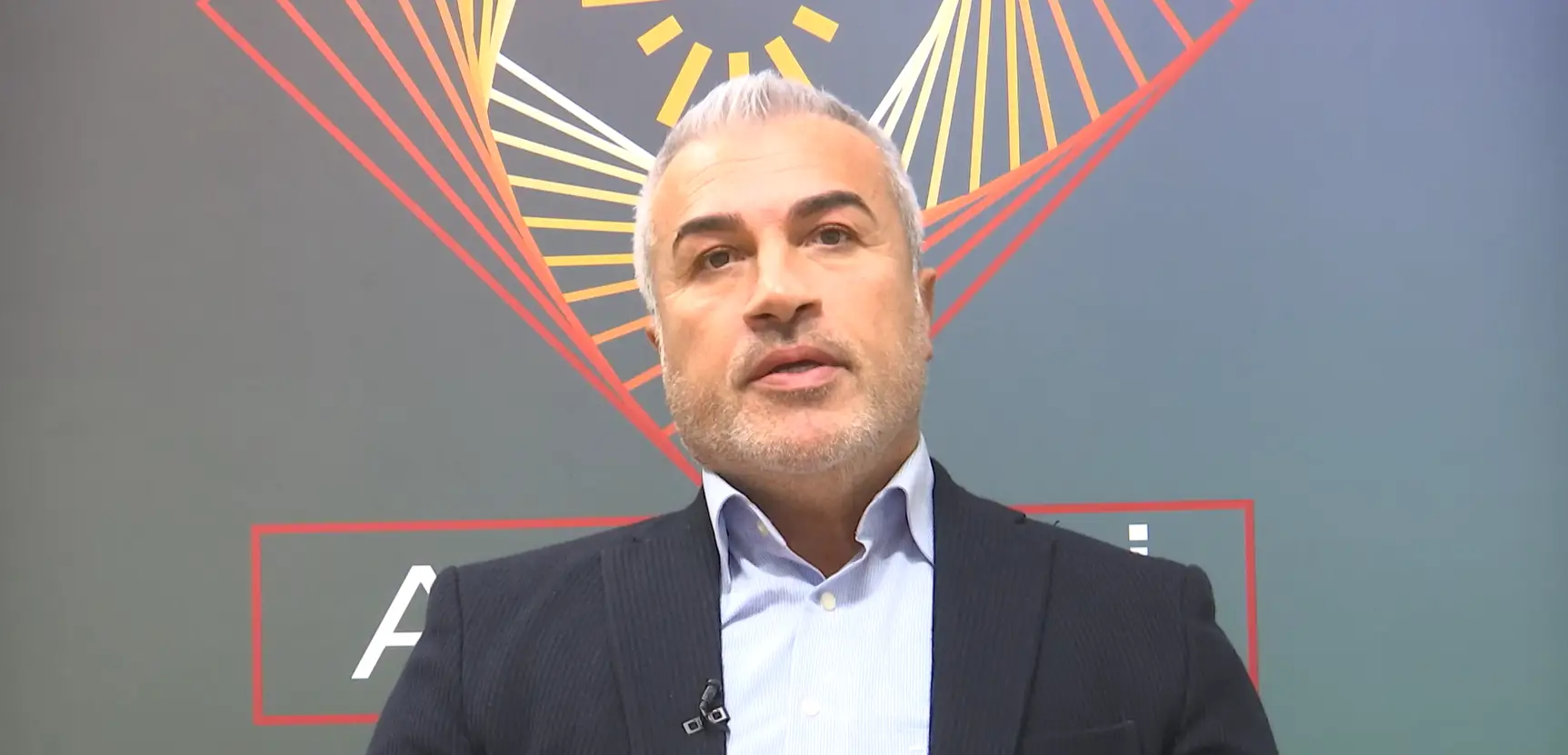
In this video, Pir Ecevit Emre explains the concept of devriye, one of the most important cosmological notions in the Alevi belief system, through the phenomenon of death. In Alevism, death is not understood as an absolute end. Rather, it is regarded as part of the ongoing cycle, transformation, and renewal of the can between the realms of Zahir and Batın. Within this framework, all living and non-living beings in the universe are understood to exist in a continuous process of movement, becoming, and transformation. Pir Ecevit Emre explores this distinctive dimension of Alevi theology through gülbenks, deyişler, and reflections on the Yol.
The video also addresses moral responsibility in Alevism through the relationship that individuals establish with their own thoughts, words, and actions. Fundamental moral categories such as good and evil, right and wrong, gain meaning through the connection a person maintains with their own essence within a particular time and place. For this reason, turning towards truth, preserving one’s essence amid changing circumstances, and remaining faithful to the ethical principles of the Yol occupy a central place in Alevi thought. The expression “devri daim olsun” (“may the cycle continue”), used instead of “may God have mercy on them,” reflects this cosmological understanding. Pir Ecevit Emre also discusses the symbolic death associated with giving ikrar and participation in the görgü cemi, interpreting the abandonment of the former self and entry into the Yol through the Alevi understanding of esoteric (Batıni) death.
This recording was made on 18 April 2026 at Alevitische Gemeinde und Cemevi e.V. (Lange Streng 12, 65462 Ginsheim-Gustavsburg), near Frankfurt, as part of the “In the Words of the Spiritual Guides” series of the Alevi Encyclopedia.
The video also addresses moral responsibility in Alevism through the relationship that individuals establish with their own thoughts, words, and actions. Fundamental moral categories such as good and evil, right and wrong, gain meaning through the connection a person maintains with their own essence within a particular time and place. For this reason, turning towards truth, preserving one’s essence amid changing circumstances, and remaining faithful to the ethical principles of the Yol occupy a central place in Alevi thought. The expression “devri daim olsun” (“may the cycle continue”), used instead of “may God have mercy on them,” reflects this cosmological understanding. Pir Ecevit Emre also discusses the symbolic death associated with giving ikrar and participation in the görgü cemi, interpreting the abandonment of the former self and entry into the Yol through the Alevi understanding of esoteric (Batıni) death.
This recording was made on 18 April 2026 at Alevitische Gemeinde und Cemevi e.V. (Lange Streng 12, 65462 Ginsheim-Gustavsburg), near Frankfurt, as part of the “In the Words of the Spiritual Guides” series of the Alevi Encyclopedia.
Interviewer
- Dr. Ahmet Kerim Gültekin