Alevism and Devriye: Death and “devri daim olsun”
Note: This interview was conducted in German.
In this video, Pir Ecevit Emre discusses devriye, an important concept in Alevism. The discussion brings together death, life, and transformation. In Alevism, death is not simply understood as an end. The can continues its journey. It moves between the visible world, known as zahir, and the hidden world, known as batın. Everything in the universe is in motion. Humans, animals, plants, stones, and all beings are part of this transformation. Pir Ecevit Emre explains this understanding through gülbenks, deyişler, and examples from the Alevi path.
In the video, Pir Ecevit Emre also speaks about morality and responsibility. In Alevism, heaven and hell are often not understood as fixed places after death. Rather, they are understood as states within the human being. A person is responsible for their thoughts, words, and actions. Good and evil, right and wrong become visible in human life. For this reason, it is important on the Alevi path to recognise one’s own öz and to search for truth. The expression “devri daim olsun” reflects this understanding. It means: may the journey of the can continue. Pir Ecevit Emre also explains the symbolic death associated with ikrar and the görgü cemi. In this process, the person’s old state symbolically dies, and the person enters the path anew.
This recording was made on 18 April 2026 at Alevitische Gemeinde und Cemevi e.V. (Lange Streng 12, 65462 Ginsheim-Gustavsburg), near Frankfurt, as part of the “In the Words of the Spiritual Guides” series of the Alevi Encyclopedia.
In this video, Pir Ecevit Emre discusses devriye, an important concept in Alevism. The discussion brings together death, life, and transformation. In Alevism, death is not simply understood as an end. The can continues its journey. It moves between the visible world, known as zahir, and the hidden world, known as batın. Everything in the universe is in motion. Humans, animals, plants, stones, and all beings are part of this transformation. Pir Ecevit Emre explains this understanding through gülbenks, deyişler, and examples from the Alevi path.
In the video, Pir Ecevit Emre also speaks about morality and responsibility. In Alevism, heaven and hell are often not understood as fixed places after death. Rather, they are understood as states within the human being. A person is responsible for their thoughts, words, and actions. Good and evil, right and wrong become visible in human life. For this reason, it is important on the Alevi path to recognise one’s own öz and to search for truth. The expression “devri daim olsun” reflects this understanding. It means: may the journey of the can continue. Pir Ecevit Emre also explains the symbolic death associated with ikrar and the görgü cemi. In this process, the person’s old state symbolically dies, and the person enters the path anew.
This recording was made on 18 April 2026 at Alevitische Gemeinde und Cemevi e.V. (Lange Streng 12, 65462 Ginsheim-Gustavsburg), near Frankfurt, as part of the “In the Words of the Spiritual Guides” series of the Alevi Encyclopedia.
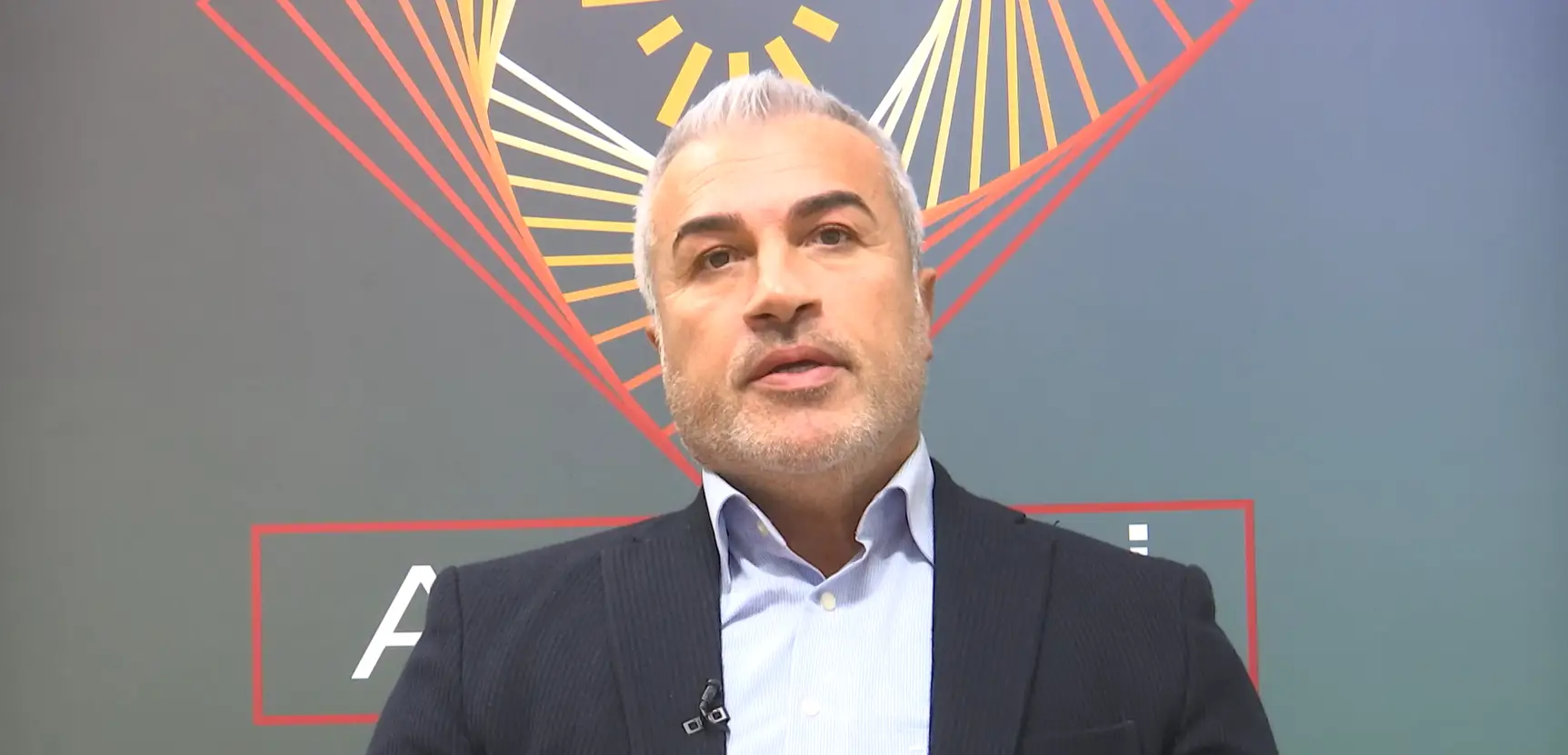
Interviewer
- Dr. Ahmet Kerim Gültekin