The Doctrine of the Four Gates and Forty Stations in Alevism (Şeriat, Tarikat, Marifet, Hakikat)
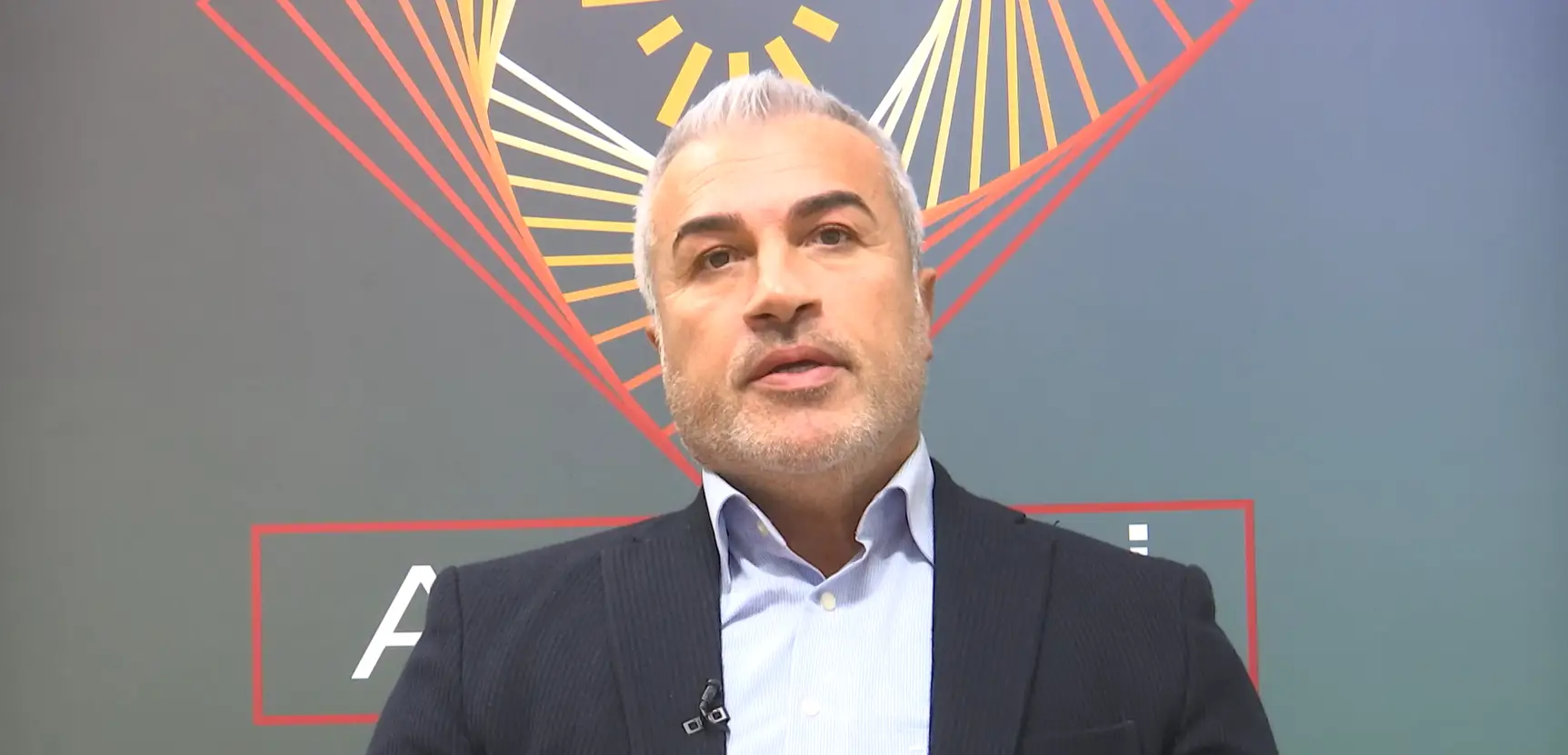
In this video, Pir Ecevit Emre discusses the doctrine of the “Four Gates and Forty Stations” (4 Kapı 40 Makam), one of the foundational teachings of the Alevi belief world. Known as the gates of Şeriat, Tarikat, Marifet, and Hakikat, this teaching expresses the process through which a person matures, comes to know themselves, and turns towards truth on the Alevi Yol. Pir Ecevit Emre explains that these concepts are often confused with general Islamic doctrines, although they acquire different and distinctive meanings within Alevi cosmology, the understanding of the Yol, and the Alevi moral world.
The video also addresses the moral duties, responsibilities, and inner discipline of the Alevi Yol through the relationship between talip, rehber, pir, and mürşid. Pir Ecevit Emre emphasises that the doctrine of the Four Gates and Forty Stations is not merely a theoretical belief system. Rather, it is a discipline of the Yol directly connected to a person’s words, actions, ikrar, social responsibility, and search for truth.
In this context, Pir Ecevit Emre also draws attention to certain differences between the Bektashi tradition and Raa Haqi, that is, Dersim Alevism. For example, in the Babagan branch of the Bektashi tradition, a person may give ikrar and enter the Yol individually. In Raa Haqi, however, giving ikrar and entering the Yol are possible through the bond of musahiblik and the görgü cemi. This explanation is important because it sheds light on different süreks, ritual structures, and forms of entering the Yol within Alevi traditions.
This recording was made on 18 April 2026 at Alevitische Gemeinde und Cemevi e.V. (Lange Streng 12, 65462 Ginsheim-Gustavsburg), near Frankfurt, as part of the “In the Words of the Spiritual Guides” series of the Alevi Encyclopedia.
The video also addresses the moral duties, responsibilities, and inner discipline of the Alevi Yol through the relationship between talip, rehber, pir, and mürşid. Pir Ecevit Emre emphasises that the doctrine of the Four Gates and Forty Stations is not merely a theoretical belief system. Rather, it is a discipline of the Yol directly connected to a person’s words, actions, ikrar, social responsibility, and search for truth.
In this context, Pir Ecevit Emre also draws attention to certain differences between the Bektashi tradition and Raa Haqi, that is, Dersim Alevism. For example, in the Babagan branch of the Bektashi tradition, a person may give ikrar and enter the Yol individually. In Raa Haqi, however, giving ikrar and entering the Yol are possible through the bond of musahiblik and the görgü cemi. This explanation is important because it sheds light on different süreks, ritual structures, and forms of entering the Yol within Alevi traditions.
This recording was made on 18 April 2026 at Alevitische Gemeinde und Cemevi e.V. (Lange Streng 12, 65462 Ginsheim-Gustavsburg), near Frankfurt, as part of the “In the Words of the Spiritual Guides” series of the Alevi Encyclopedia.
Interviewer
- Dr. Ahmet Kerim Gültekin