Apsu (Abşu, Avsu)
“Apsu” (Kırmanckî/Kurmancî: Avsu, Abşu, Absu) is a ritual practice within the Dersim belief system that carries functions of protection, purification, and healing. Apsu is also...
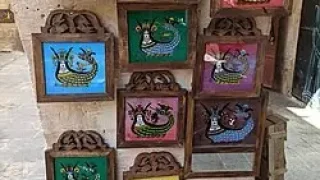
Shahmaran and Shahapet: The Snake Cults of the Kurds, Yazidis, and Armenians
The worship of snakes is one of the oldest natural religious or polytheistic beliefs worldwide. There are two contrasting views: 1) Snakes are seen as...
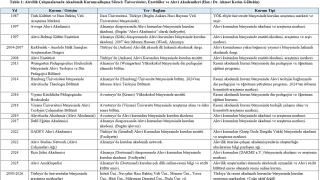
A Brief Sketch of the Development of Alevi Studies
This is an annotated bibliography of the most significant contributions to Alevi studies, in chronological order from the mid-nineteenth century onwards. It identifies American Protestant...
Bext (Baht)
Bext (Turkish: Baht) is one of the thirty qualities granted to humans by Haq in the Raa Haqi belief system and expresses the wish for...
Kadıncık Ana
Kadıncık Ana is an important female figure in the Alevi-Bektashi-Kızılbaş belief, particularly associated with Hacı Bektaş Veli, whose memory has been transmitted through hagiographic narratives-most...
Cem Ritual and Psychological Well-Being: A Social Identity Perspective
This entry examines the historical and contemporary experiences of exclusion faced by Alevis through the framework of the Social Identity Approach in social psychology, with...
The Religious Calendar in Dersim Alevism (Raa Haqi): Gağan, Xızır/Hızır, Black Wednesday (Kara Çarşamba), and Hawtemal/Heftemal
This entry provides a comprehensive analysis of the sacred days and periods that constitute the religious calendar of Dersim Alevism (Raa Haqi)—with particular attention to...
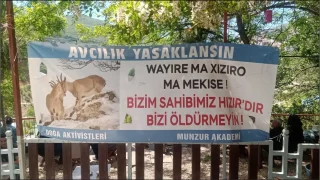
Xızır's (Hızır's) Sacred Herd (Sacred Mountain Goats of Dersim)
In Kurdish Alevi traditions, ibexes are considered sacred—blessed beings associated with Xızır and other territorial protectors in local cosmologies. Although hunting them was long practiced,...
Sociology of Emotions and Collective Memory in the Deyişes of Pir Sultan Abdal
Pir Sultan Abdal is one of the most important poets of the Alevi tradition and lived in the sixteenth century. His deyişs have held a...
The Kerbela Narrative and Collective Mourning: Traumatic Memory and Ritualised Emotions in Alevî Identity
The Kerbela narrative constitutes a central element of traumatic memory in Alevî belief and identity. The killing of Hz. Hüseyin, the grandson of Hz. Muhammed,...
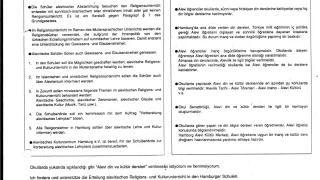
The Institutionalization of Alevi Religious Education in Germany
This article examines the emergence of Alevi religious education in Germany, its process of institutionalization, and its current framework of implementation. It first considers how, from the 1980s onward, the...
Why Is It Important to Preserve the Memory of Alevism?
Alevism preserves its identity, faith, and culture through collective memory and memory sites, resisting historical oppression and displacement, while ensuring intergenerational transmission via physical, cultural, and digital means.
Alevilik, köklü bir inanç ve kültürel mirasa sahip olup, barış, adalet ve insan sevgisi gibi evrensel değerleri ön planda tutan
A Historic Turning Point and the Will to Safeguard the Future of Alevi Knowledge
The Alevi Encyclopedia is a vital project enabling Alevis to combat centuries of physical and epistemic violence and assimilation. It seeks to document their cultural heritage using their own voice...
The Alevi Encyclopedia
The Alevi Encyclopedia is a comprehensive initiative that aims to preserve the historical, cultural, and spiritual heritage of Alevism, supporting accurate knowledge production and passing it on to future generations...