The Hacı Bektaş-ı Veli Dergah
This entry examines the closure of the Hacı Bektaş-ı Veli Dervish Lodge (Dergâh), a site of great importance and sanctity for Alevi-Bektashis, under Law No....
Alevi Studies and Syncretism
Syncretism refers to the formation of new religious or cultural expressions that emerge from the interaction of diverse belief systems and practices. While in academic...
Mehmet Yıldırım (Dêsimli Memed)
Dr Mehmet Yıldırım (1974–2023), known also by his pen name Dêsimli Memed, was a scholar whose academic and archival research sought to reinterpret the historical...
Dersim: Genocides (1914-18 & 1937-38)
This entry examines the 1937–38 Dersim massacres as a case of genocide, placing the events within a broader continuum of state-led exterminatory violence in late...
Memory and Dersim
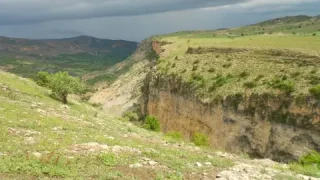
This entry examines Dersim, which occupies a central place in the collective memory of Alevi communities, as both a site of memory and a field...
Village Cemevis and Transnational Alevi Placemaking
This entry traces the emergence and significance of rural cemevis built by migrants, situating them within broader debates on migration, religious change, and spatial politics....
Tertele
The 1937–38 Dersim massacre was not merely a regional military operation, but a systematic policy of violence by the early Turkish Republic targeting ethno-religious identities...
Suicide Amongst Second-Generation Alevi Boys in the UK
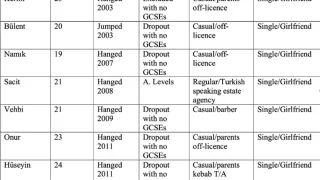
In the process of settling in the UK, the Alevi community was shaken by the suicide pandemic among second-generation boys, a previously unknown phenomenon. From...
Ağuiçen/Ağuçan
The Ağuiçen (or Ağuçan) Ocak is one of the most well-known Alevi ocaks (spiritual lineages) in Anatolia. It stands out due to its wide geographical...
Food in Alevism
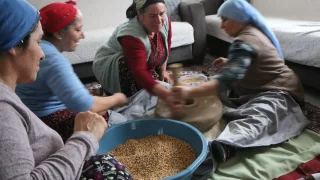
Social activities pertaining to food such as cooking, sharing, eating and fasting are central to the expression of the lived religiosities of Alevis in Turkey,...
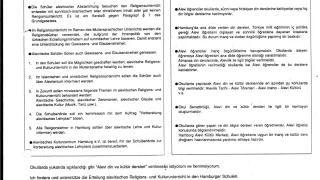
The Institutionalization of Alevi Religious Education in Germany
This article examines the emergence of Alevi religious education in Germany, its process of institutionalization, and its current framework of implementation. It first considers how, from the 1980s onward, the...
Why Is It Important to Preserve the Memory of Alevism?
Alevism preserves its identity, faith, and culture through collective memory and memory sites, resisting historical oppression and displacement, while ensuring intergenerational transmission via physical, cultural, and digital means.
Alevilik, köklü bir inanç ve kültürel mirasa sahip olup, barış, adalet ve insan sevgisi gibi evrensel değerleri ön planda tutan
A Historic Turning Point and the Will to Safeguard the Future of Alevi Knowledge
The Alevi Encyclopedia is a vital project enabling Alevis to combat centuries of physical and epistemic violence and assimilation. It seeks to document their cultural heritage using their own voice...
The Alevi Encyclopedia
The Alevi Encyclopedia is a comprehensive initiative that aims to preserve the historical, cultural, and spiritual heritage of Alevism, supporting accurate knowledge production and passing it on to future generations...