Seyyid Seyfeddin (Piri Sevdin) Ocak (Alevi sacred lineage)
The Seyyid Seyfeddin Ocak (locally known as the Piri Sevdin Ocak) is one of the Alevi Ocaks that has been active for centuries in the...
Theological Foundations of Human Dignity in Alevism
This entry examines the theological foundations of the God–human relationship in Alevism by approaching the concept of human dignity through the perspectives of creation theology...
The Ghadir Khumm Festival (ʿId al-Ghadir) and Collective Memory
This study examines the Ghadir Khumm Festival, the most important religious festival of Alawites, within the framework of Maurice Halbwachs’ theory of collective memory. It...
“Arabistancı Nusayris / Arab Alevis”: Migrant Labour, Masculinity, and Gender
This entry examines, through a reflexive methodological approach, the experiences, social processes, and consequences of labour migration among Arab Alevi (Nusayri) men who migrate from...
Alawi Massacres in Syria: The Historical Roots of the HTS Regime's Genocidal Intent
This entry documents the recent massacres targeting the Alevi community in Syria and draws attention to the continuity between these practices of violence and their...
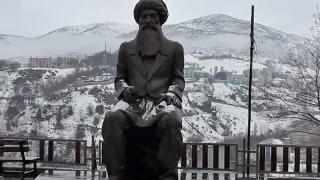
Seyit Rıza Monument (Dersim)
The Seyit Rıza Monument is a significant site of memory that renders visible, both symbolically and spatially, the place of the 1937–38 Dersim Massacre within...
Genocide
Genocide is a concept applied to different event contexts for various reasons and perspectives (legal, moral, analytical, activist). At its centre is the intentional destruction...
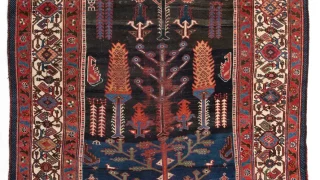
Tree worship: Sacred Trees and Wishing Trees
Tree worship refers to the veneration of trees, groups of trees, and sacred groves. They can be regarded as the embodiment of mythological beings themselves,...
Forced Migration of Alevis
This entry examines the phenomenon of forced migration experienced by Alevi communities from the foundation of the Republic of Turkey to the present, within the...
Alevism and Social Trauma
This entry examines how Alevi identity has been shaped through the framework of historical trauma and collective memory, and how it is narrated especially in...
The Institutionalization of Alevi Religious Education in Germany
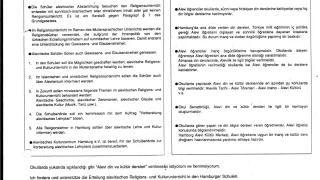
This article examines the emergence of Alevi religious education in Germany, its process of institutionalization, and its current framework of implementation. It first considers how, from the 1980s onward, the...
Why Is It Important to Preserve the Memory of Alevism?
Alevism preserves its identity, faith, and culture through collective memory and memory sites, resisting historical oppression and displacement, while ensuring intergenerational transmission via physical, cultural, and digital means.
Alevilik, köklü bir inanç ve kültürel mirasa sahip olup, barış, adalet ve insan sevgisi gibi evrensel değerleri ön planda tutan
A Historic Turning Point and the Will to Safeguard the Future of Alevi Knowledge
The Alevi Encyclopedia is a vital project enabling Alevis to combat centuries of physical and epistemic violence and assimilation. It seeks to document their cultural heritage using their own voice...
The Alevi Encyclopedia
The Alevi Encyclopedia is a comprehensive initiative that aims to preserve the historical, cultural, and spiritual heritage of Alevism, supporting accurate knowledge production and passing it on to future generations...